A Community Building a Gym
-
Date: August 29, 2026
Role: Brand Strategist, Creative Director, Multimedia Producer
Services: Brand Strategy, Messaging Architecture, Competitive Analysis, Logo Direction, Visual Identity, Merchandise Design, Social Media Strategy, Content Calendar Development, Video Direction, Video Production, Editing, Graphic Design, Photography Direction, Brand Guidelines, Launch Campaign Development
Location: Combat Warriors Gym at La Plaza — Tulsa, OK
Talent: Combat Warriors coaches, students, families, gym members, and community supporters
Crew: Jose Loera - Owner and Coach
VNICE - Artist and Assistant Coach
I spent a good part of 2026 helping build Tulsa’s newest combat gym, and I mean that in both the marketing sense and the literal sense.
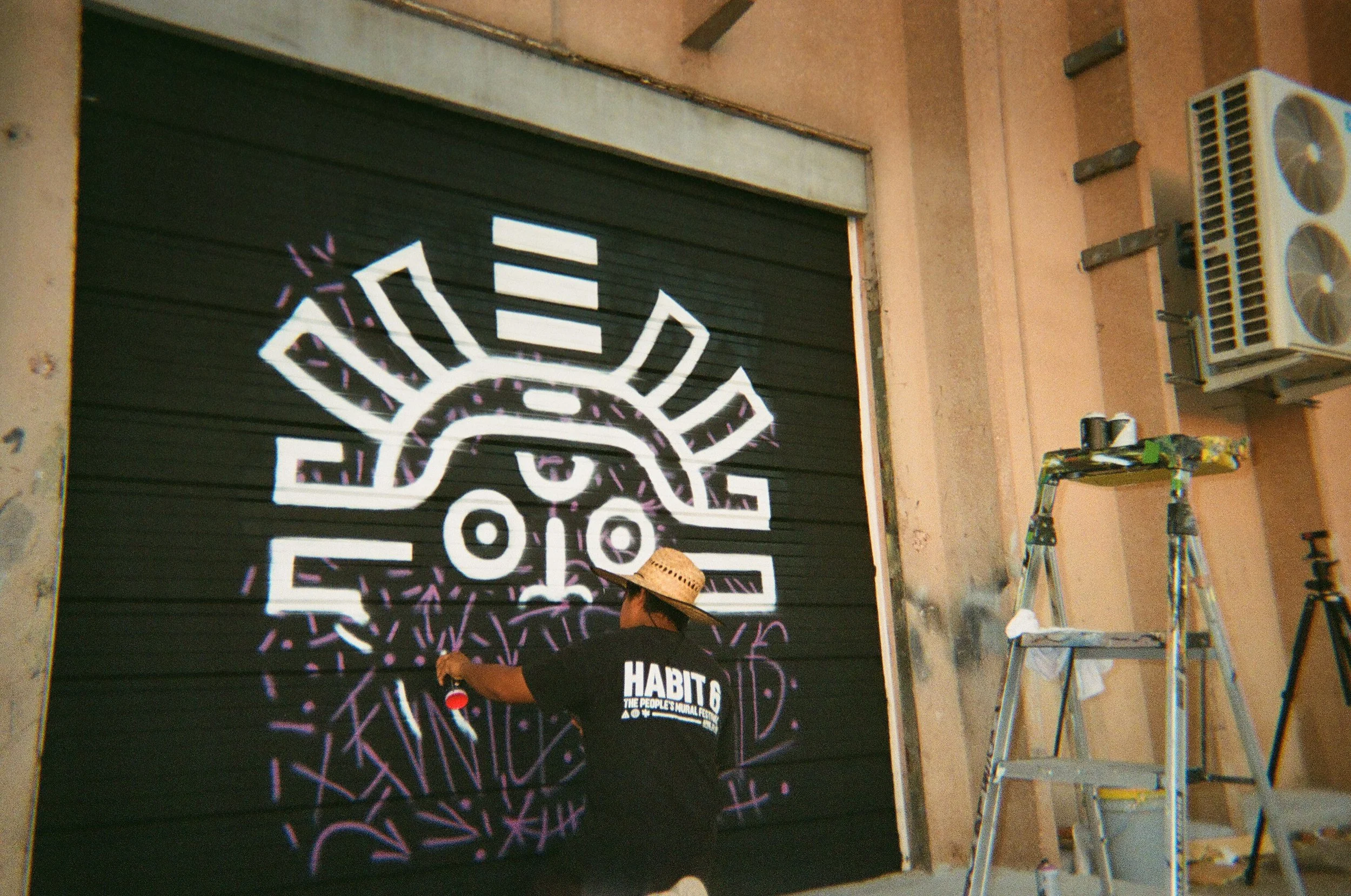
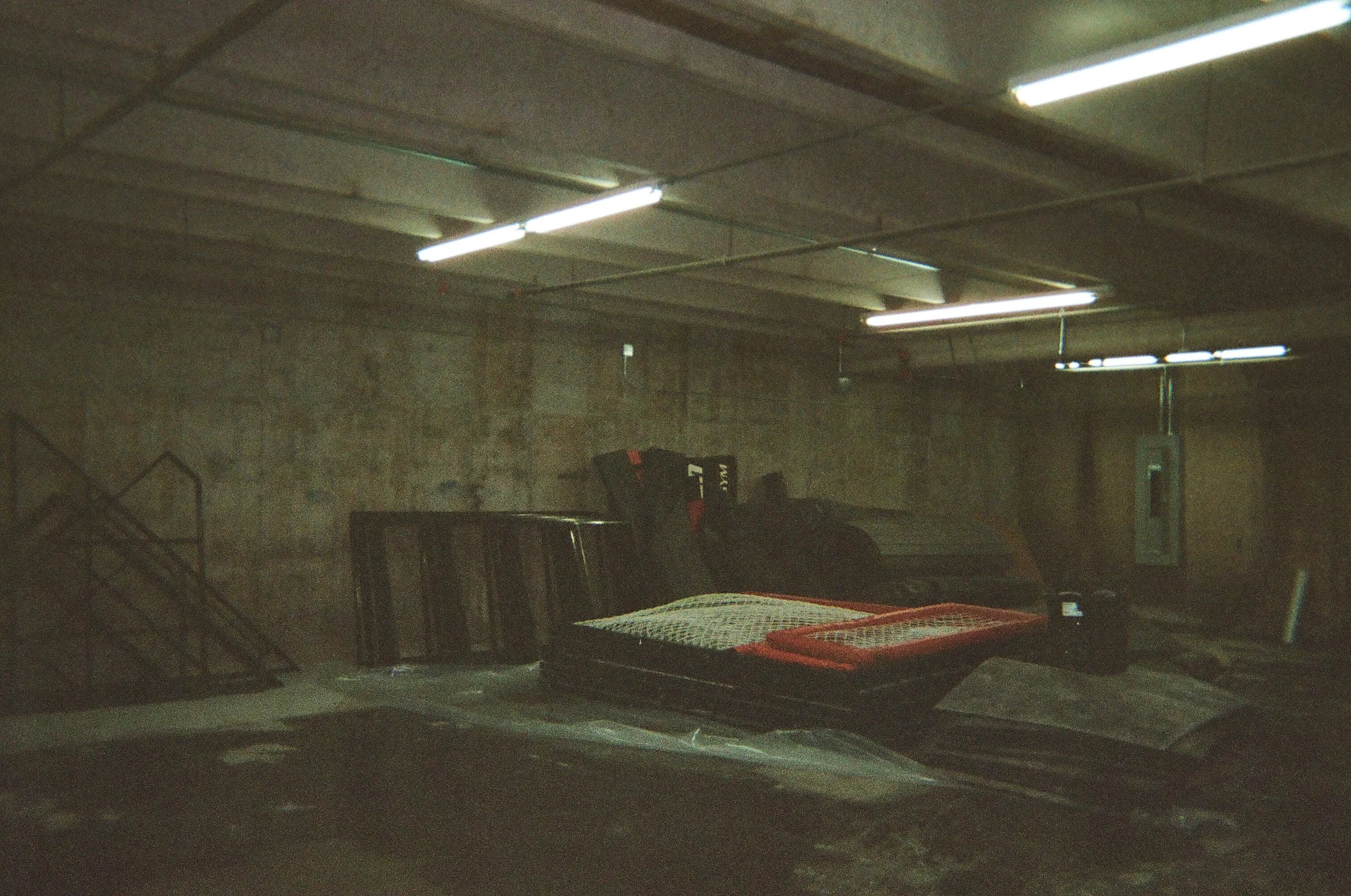
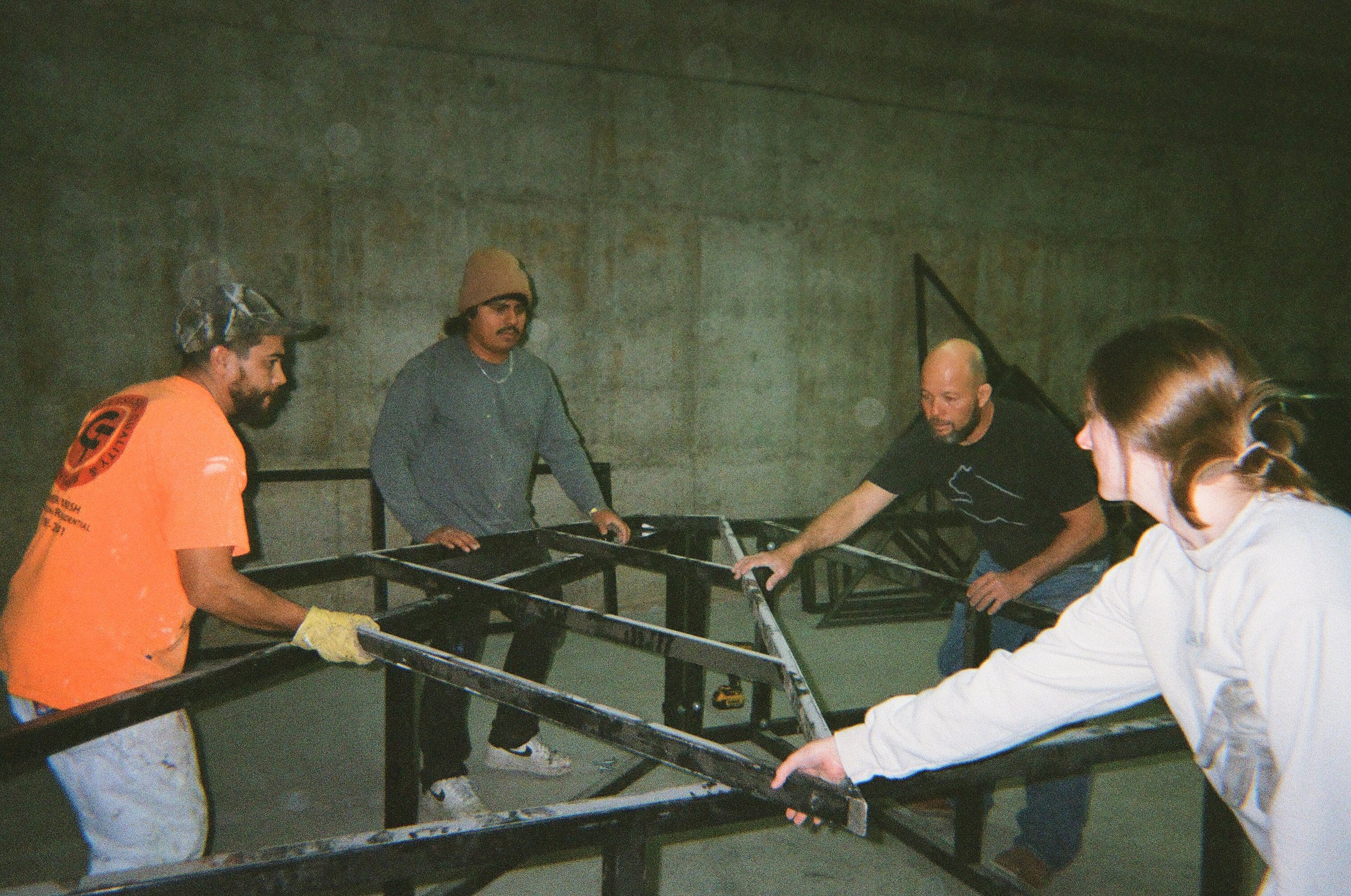
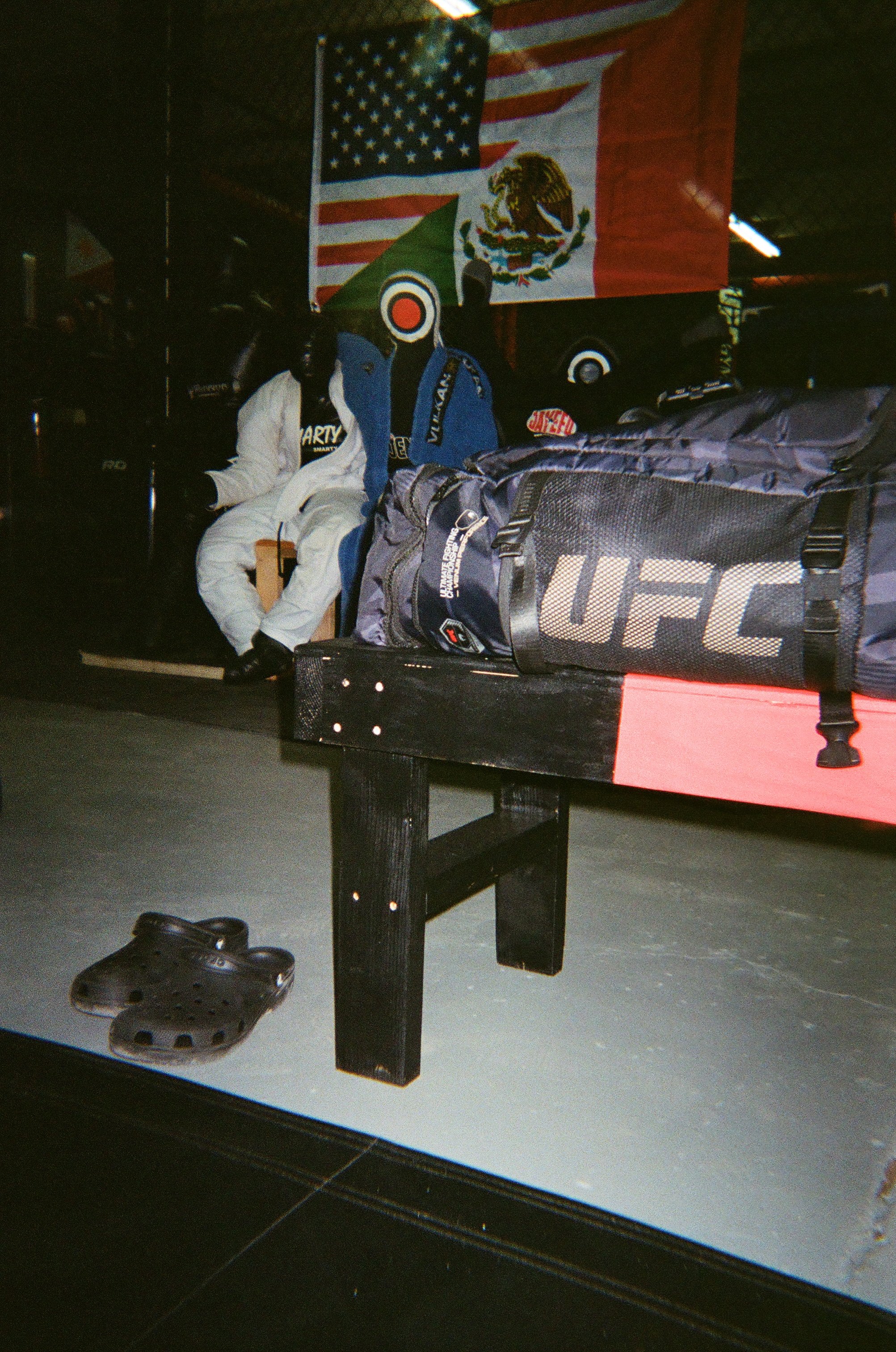
Some of that work happened in the familiar places a creative project usually lives: messaging documents, competitive analysis, visual systems, content strategy, launch planning, merchandise concepts, video production, social graphics, and brand guideline tools designed to outlive opening day. But some of it was also much more literal. It looked like hauling mats into a warehouse, assembling a retired UFC cage, seeing paint hit the walls, and standing in the middle of an unfinished room while everyone tried to imagine what it would eventually become.
Combat Warriors was not just another brand refresh to me. For the past few years, I have been a proud member of Tulsa’s combat community while immersing myself in the core principles practiced in sparring sessions. Jiu-jitsu and boxing helped me solve problems under pressure, explode into new opportunities, and disengage from previous plans that may now put me in harm’s way. You learn that panic usually costs more energy than patience, and that the position you hate is often the one teaching you the most. The value of those lessons was easy to feel, but much harder to message and quantify.
That was the real creative challenge underneath the Combat Warriors brand.
There was already something there. Anyone who spent enough time in the room could feel it. The coaches had it. The students had it. The families had it. The culture had it. The community had it. But as the gym moved into a new space, it needed a clearer identity that could explain what people were already experiencing before the outside world had a chance to step through the door. The goal was not to make the gym look cooler than it was. The goal was to help a community explain themselves and their services in preparation for a long anticipated grand opening.
And like most techniques taught in martial arts, before we ran toward the fun stuff, we had to do the slower work. Drafting a new logo feels like progress. Presenting a new shirt design feels exciting. Playing with a different color palette, a launch video, a social media strategy, and a wall full of fresh murals all feel like the business is moving forward. That potential matters, but only when it is tied to something underneath. Without a strong foundation, creative decisions can become decoration with a deadline. They might look good for a week, but they do not give staff, coaches, members, or future content anything sturdy to build from.
The first real exercise I did with Combat Warriors leadership was not about fonts, colors, or what should go on the back of a shirt. It was much simpler and much harder than that:
What does Combat Warriors stand for?
From there, every choice had to connect back to the same idea:
“Building stronger people on and off the mat through community, culture, and combat.”
That line became the filter for the logo system, custom merchandise, photography direction, social content, video production, environmental experiences, event programming, and AI tools designed for staff to keep using long after launch. It mattered because Tulsa is not short on gyms, fitness options, combat sports competitions, or brands promising confidence, discipline, and transformation. None of those promises are wrong, but they become flat when everyone is saying them in the same language. Combat Warriors needed to communicate something more specific. It needed to feel rooted enough to be recognizable, but open enough to welcome someone who may be nervous to walk into a combat sports gym for the first time.
That is where the location and heritage of the gym became part of the strategy instead of just part of the scenery.
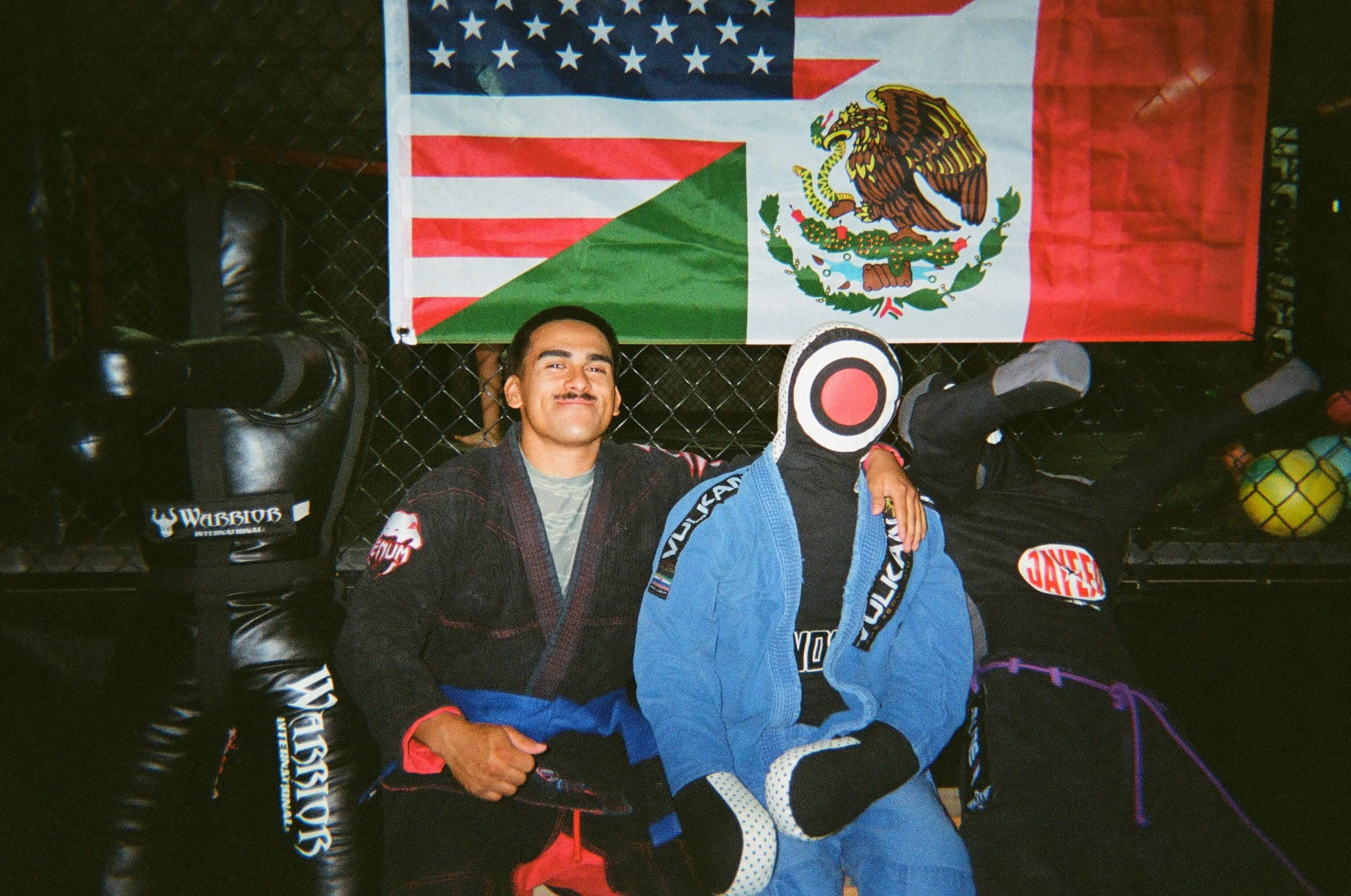
Combat Warriors is rooted in Hispanic heritage, Aztec influence within Tulsa’s Global District. That foundation had to be handled with care because the cultural differentiator could alienate those people who don’t already directly share history, come from a certain place, or speak a certain language. Instead, the message needed to feel specific without becoming exclusionary. By anchoring the brand in shared values pulled from Aztec culture like discipline, hard work, self-betterment, family, and strength through shared effort, the invitation’s net became wider without losing its roots. The gym honored heritage without being performative, remained tough without being cold, and comfortably welcomed families without losing the edge that future combat champions needed.
I was able to come to those conclusions through intentional research that challenged biases at every step of the way. There was competitive analysis, member interviews, audience identification, messaging architecture, brand pillar development, visual exploration, content planning, and enough observation to understand the emotional stakes of what was being built.
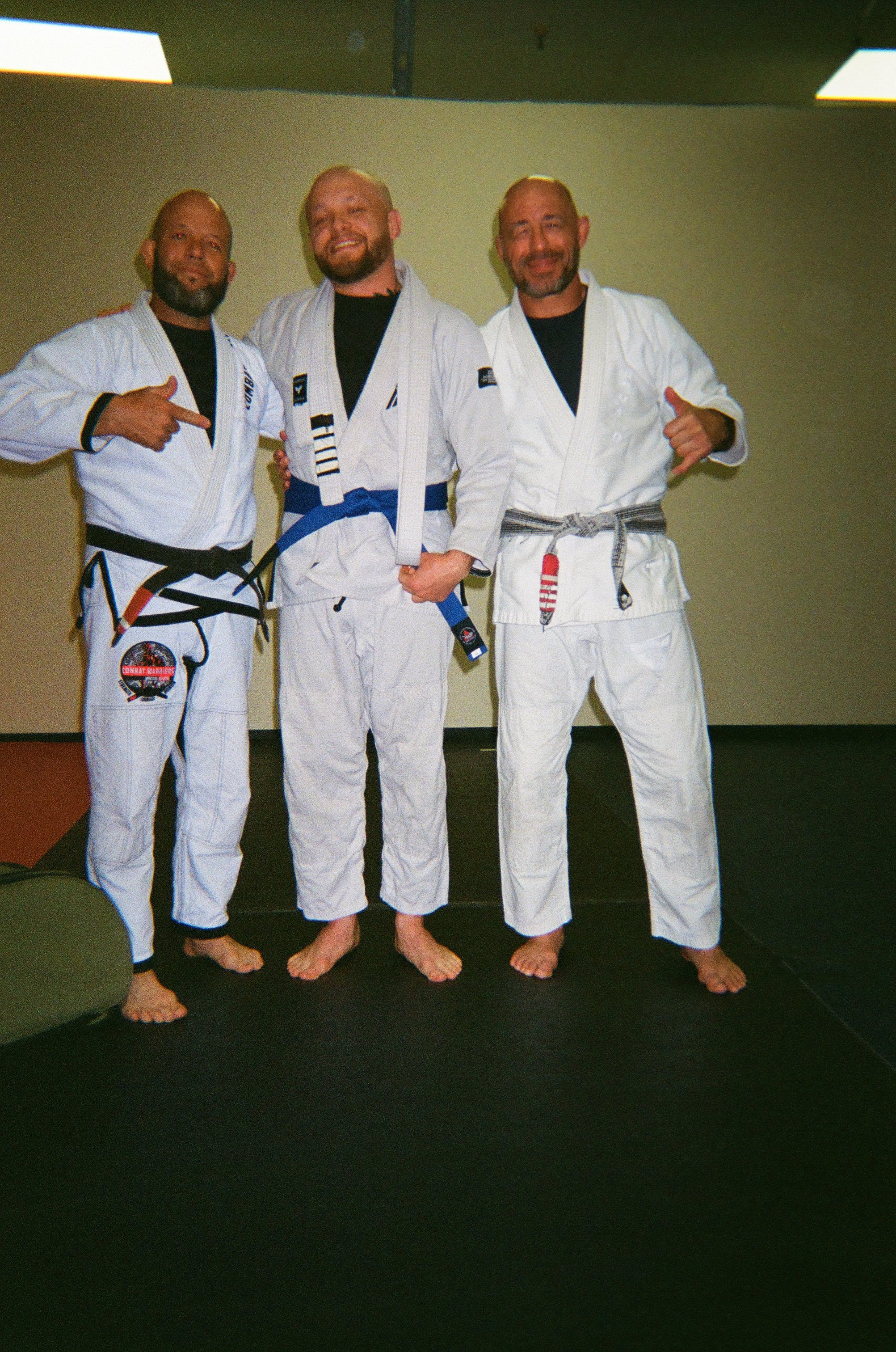
There were also the lived realities of being a member myself. I was inside the room watching people teach, train, build, help, joke, sweat, trust, and slowly give the place its personality before the brand ever became polished enough to post.
That is why the phrase “a community building a gym” feels more honest than “a gym building a community.”
Coaches brought knowledge. Students brought trust. Families brought energy. Business owners brought vision. People showed up to paint, lift, clean, build, organize, troubleshoot, support, and believe in the room before the outside world had a fully formed brand to recognize. My contribution was to help give that work a signal.
That signal had to show up everywhere.
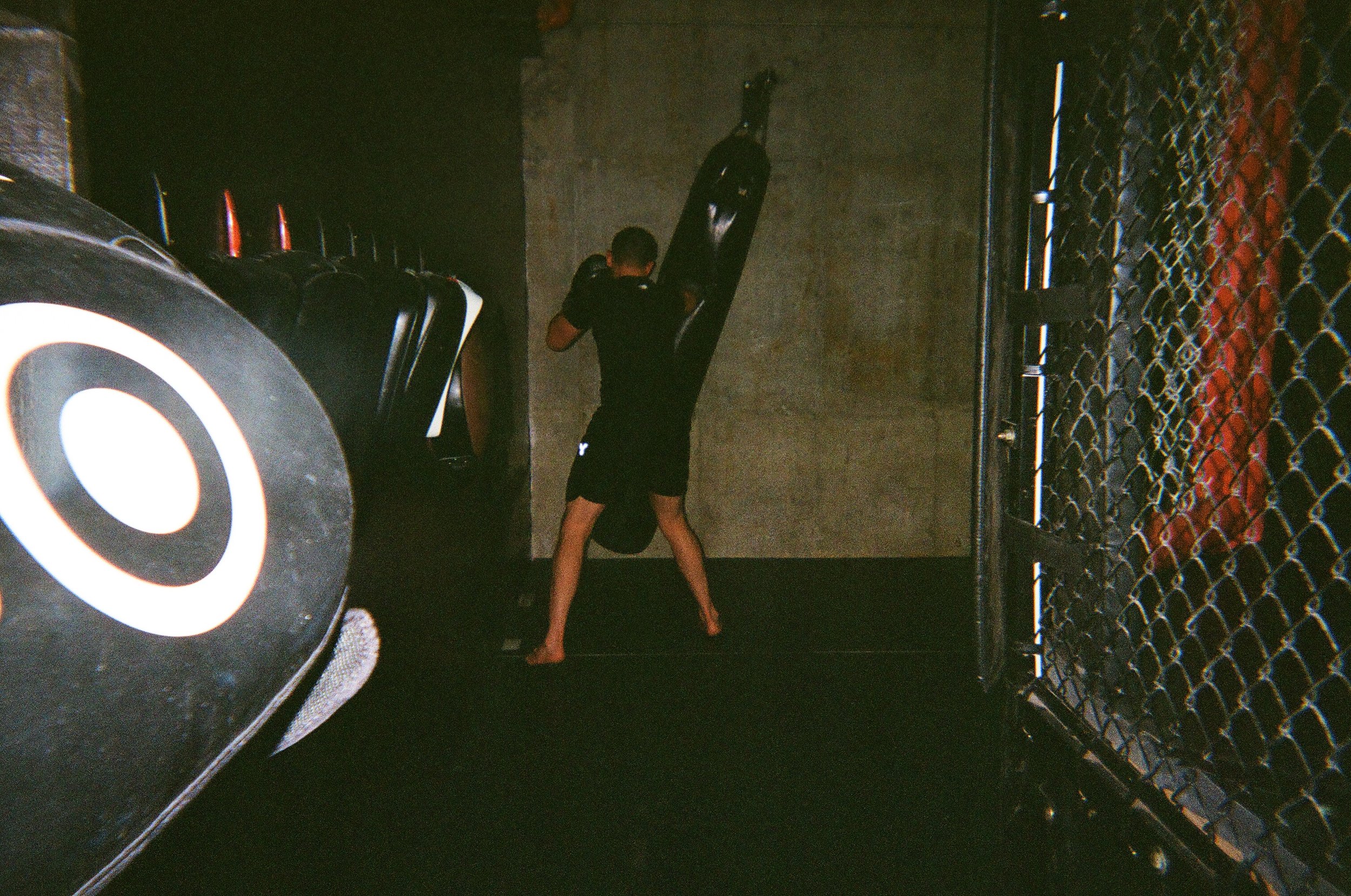
The gym’s new logo system needed to mark a modern identity while feeling connected to a previously established Hispanic homage. So, I designed for that. The merchandise needed to feel like a lifestyle clothing line that people would actually wear outside of class, not just another business shirt positioned as a walking billboard. So, I designed for that. The launch video needed to be easily digestible and communicate the feeling of the room, not just the features of the facility. The social graphics needed to create clarity and consistency without making every post feel sterile. The photography direction needed to capture real moments that stood out amongst the noise. The messaging needed to speak to fighters, families, beginners, and community members without sounding like four different audiences competing for attention. Even the practical pieces, like order forms and member-facing signage, had to feel like they belonged to the same ecosystem. A brand is not only the polished asset people see at the end. It is how each class interaction presents itself, the perception around an experience, and the system that helps people make better decisions before an asset even exists.
So, I designed for that.
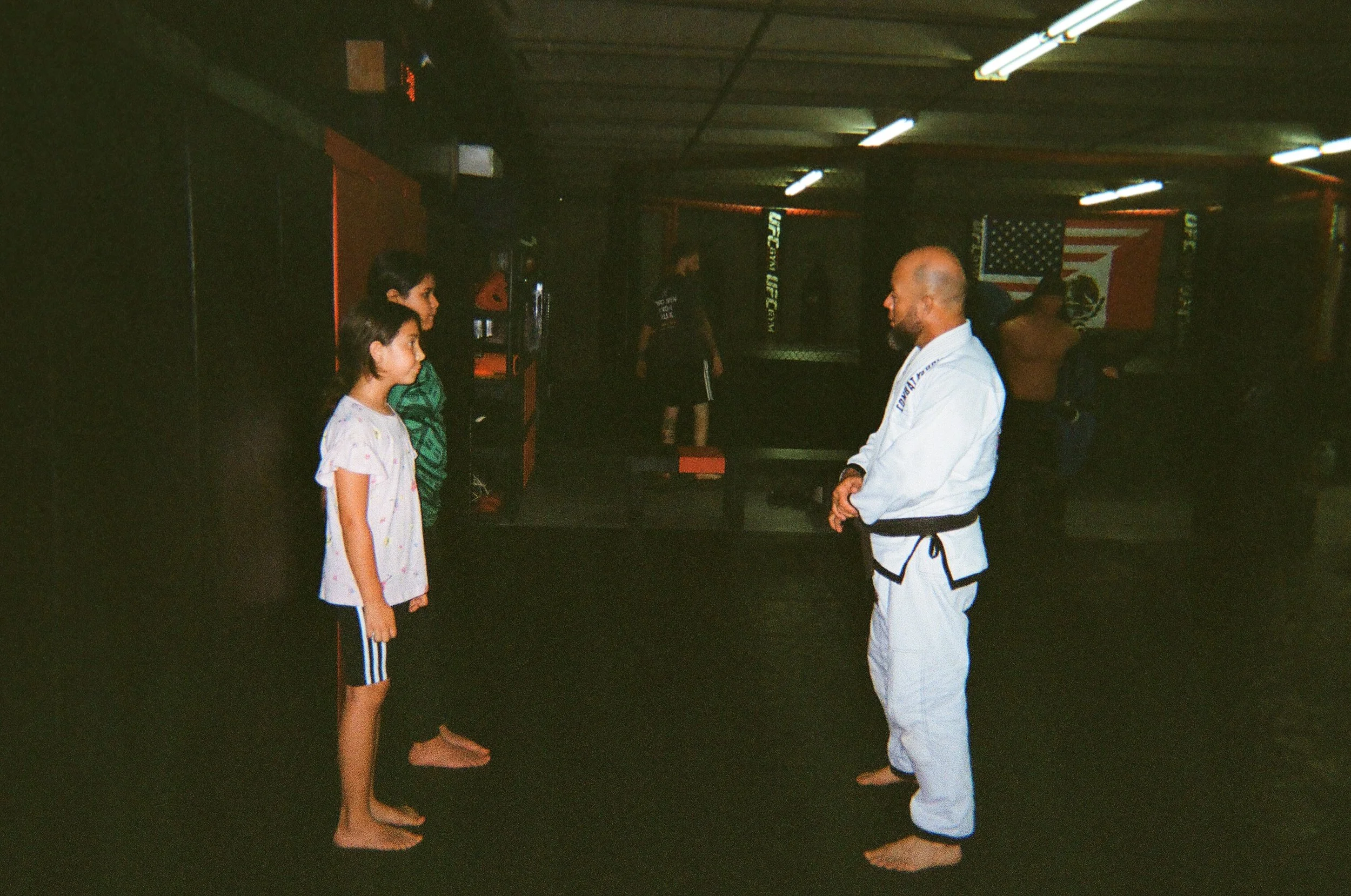
For me, that is the kind of work that happens at Undercover Influencer. Digging into the purpose of a creative project in order to build a foundation strong enough to scale with authenticity. Not making something appear deeper than it is, but recognizing when something already has depth and helping people see it.
Jiu-jitsu, boxing, Muay Thai, and MMA are the services.
But the deeper product is confidence built through pressure.
It is trust earned through repetition. Discipline developed through discomfort. Community built through shared effort.
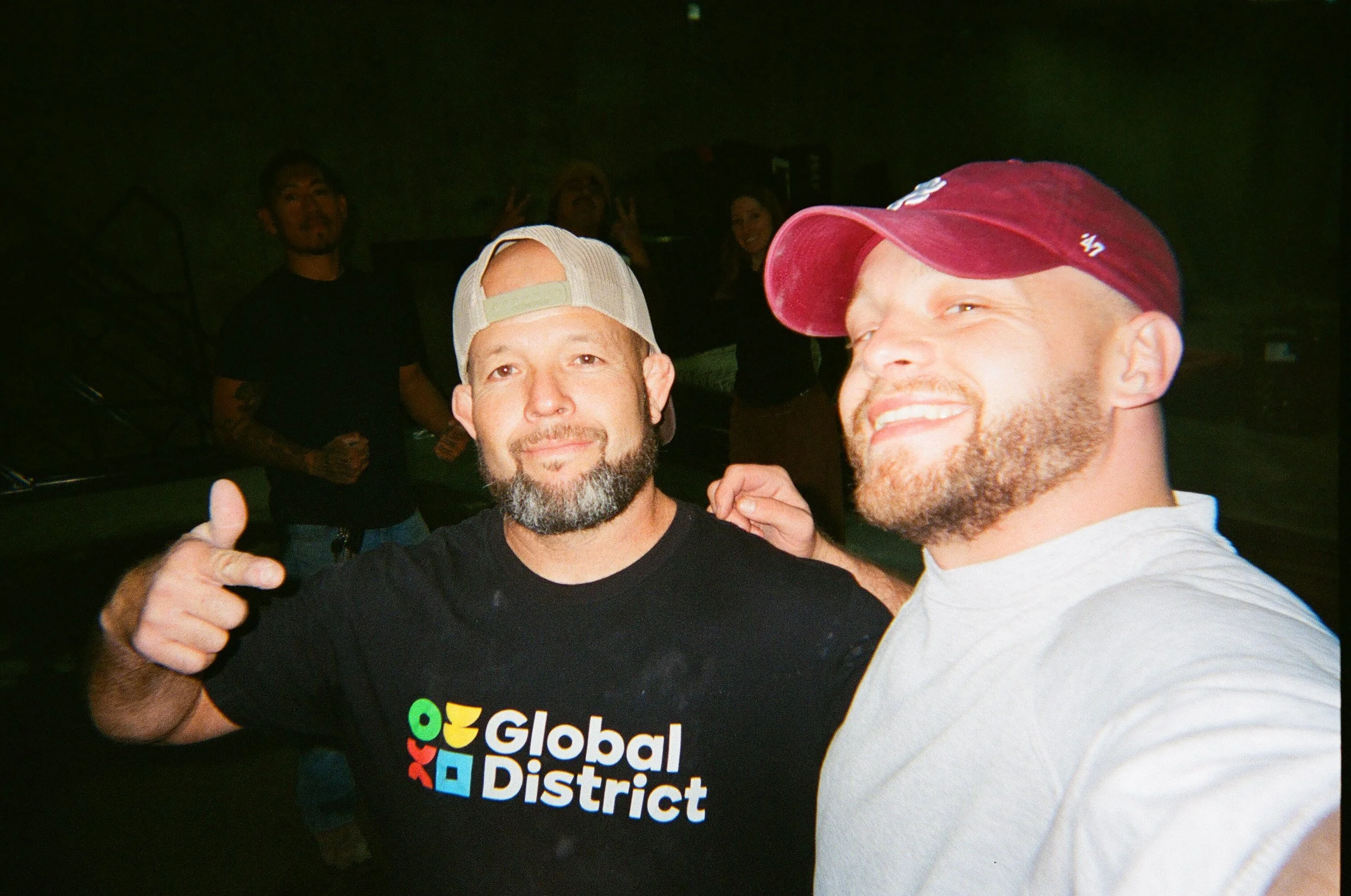
Combat Warriors was built by many hands, and I am proud that mine were part of it.
On the surface, I helped make a gym look good. The deeper work helped a culturally confident community explain who it already was as it welcomed a new chapter.
The postings on this site are my own and do not necessarily reflect the views of any company or clients.