Going with the Grain
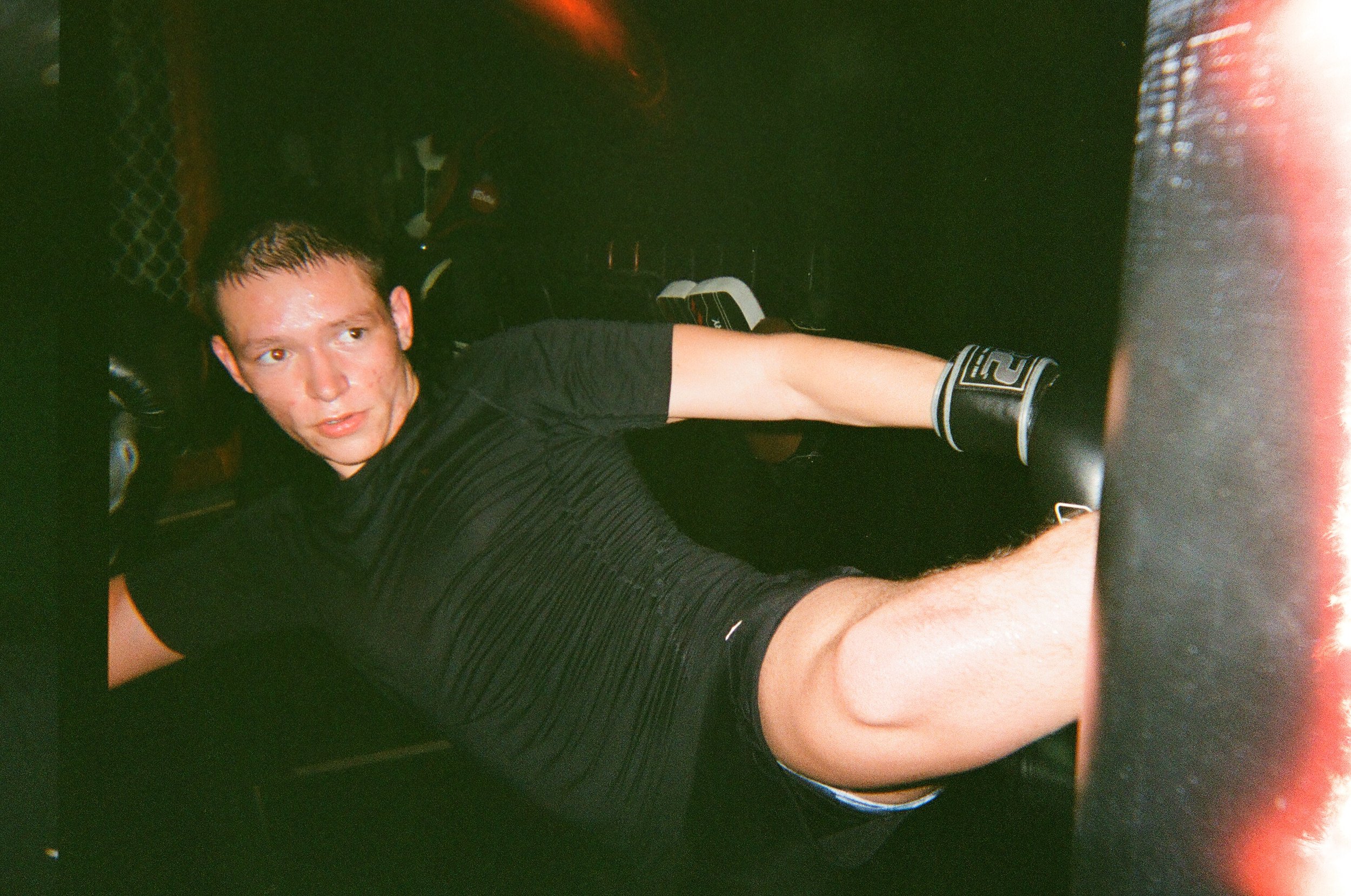
Any strong visual identity needs to be distinctive and recognizable. Some brands rely on a repeated logo mark. Others lean on a unique color palette. For Combat Warriors, one of the more thoughtful visual decisions started with a cheap plastic camera of all things.
The Kodak FunSaver is basically a 27-shot disposable film camera with built-in flash, visible grain, imperfect exposure, and a little inconvenience baked into the process. These photography relics are harder to come by now. In a world spoiled by limitless content generation in our pockets, capturing a moment on a roll of film requires foresight and a small investment before the image ever exists. That intention is part of why these consumer-grade cameras became rare, but it is also part of why the photos feel different when used with purpose.
That was part of the allure. The finish of the photos matched the finish of a martial arts gym still building itself.
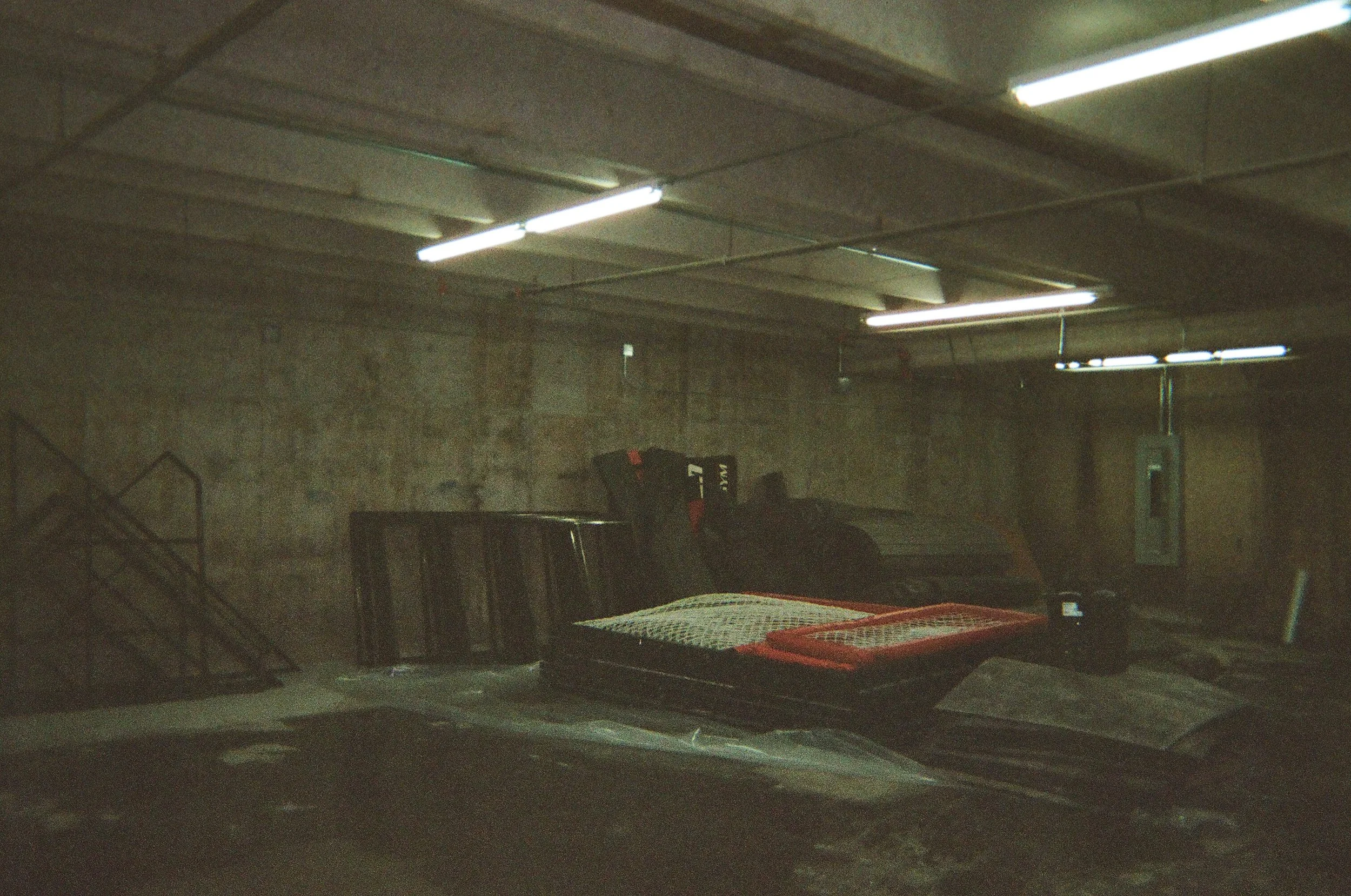
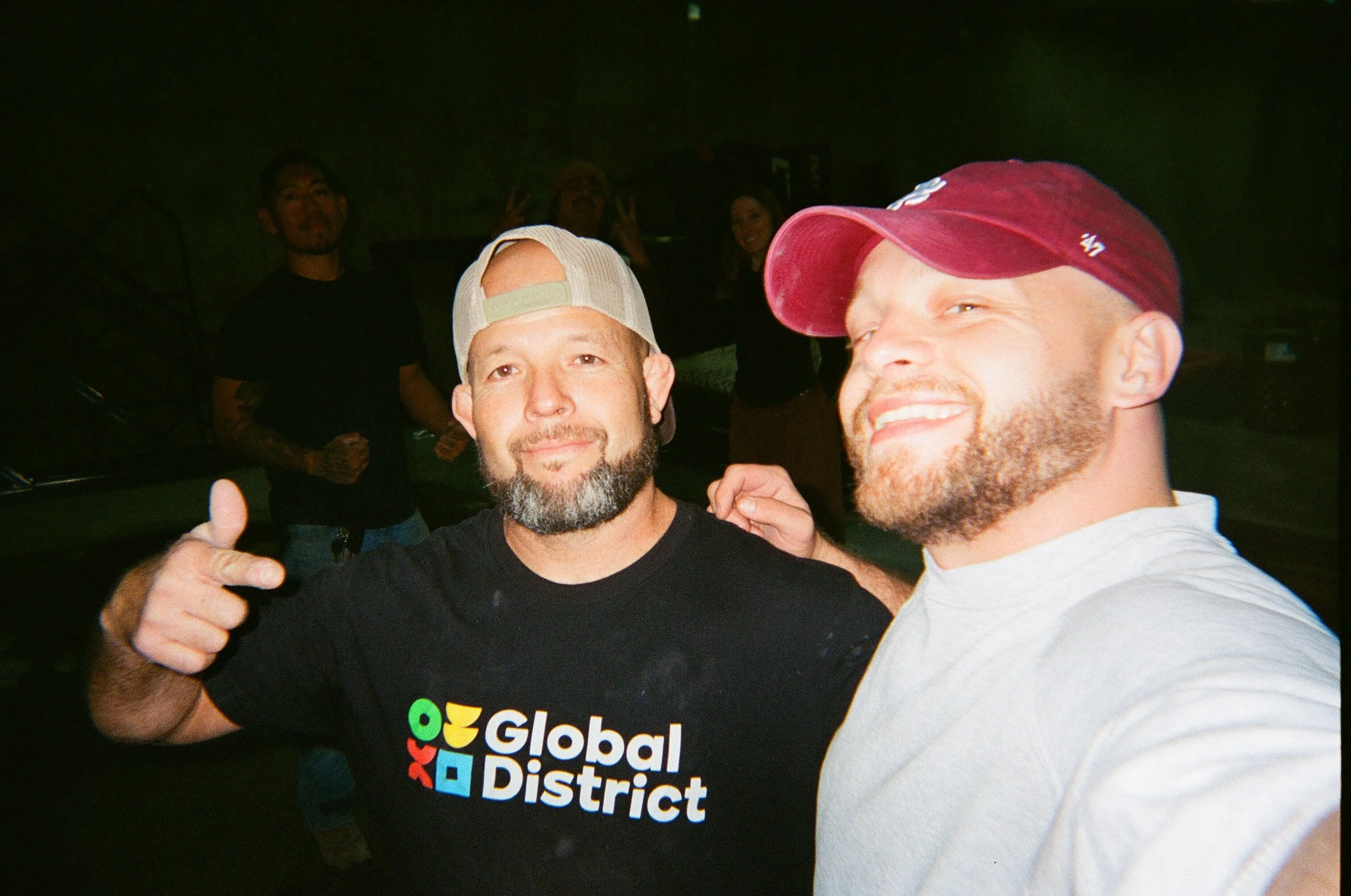
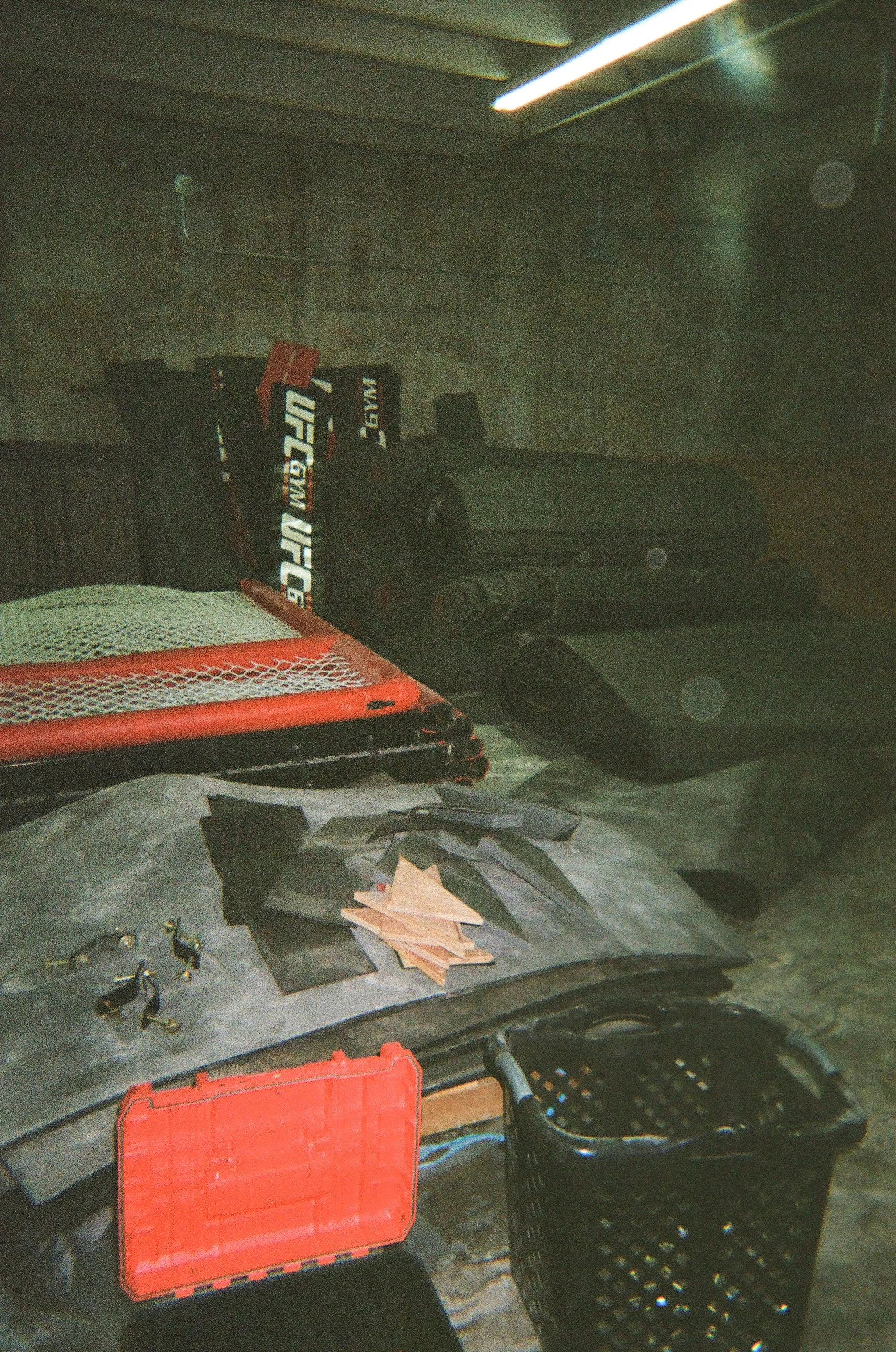
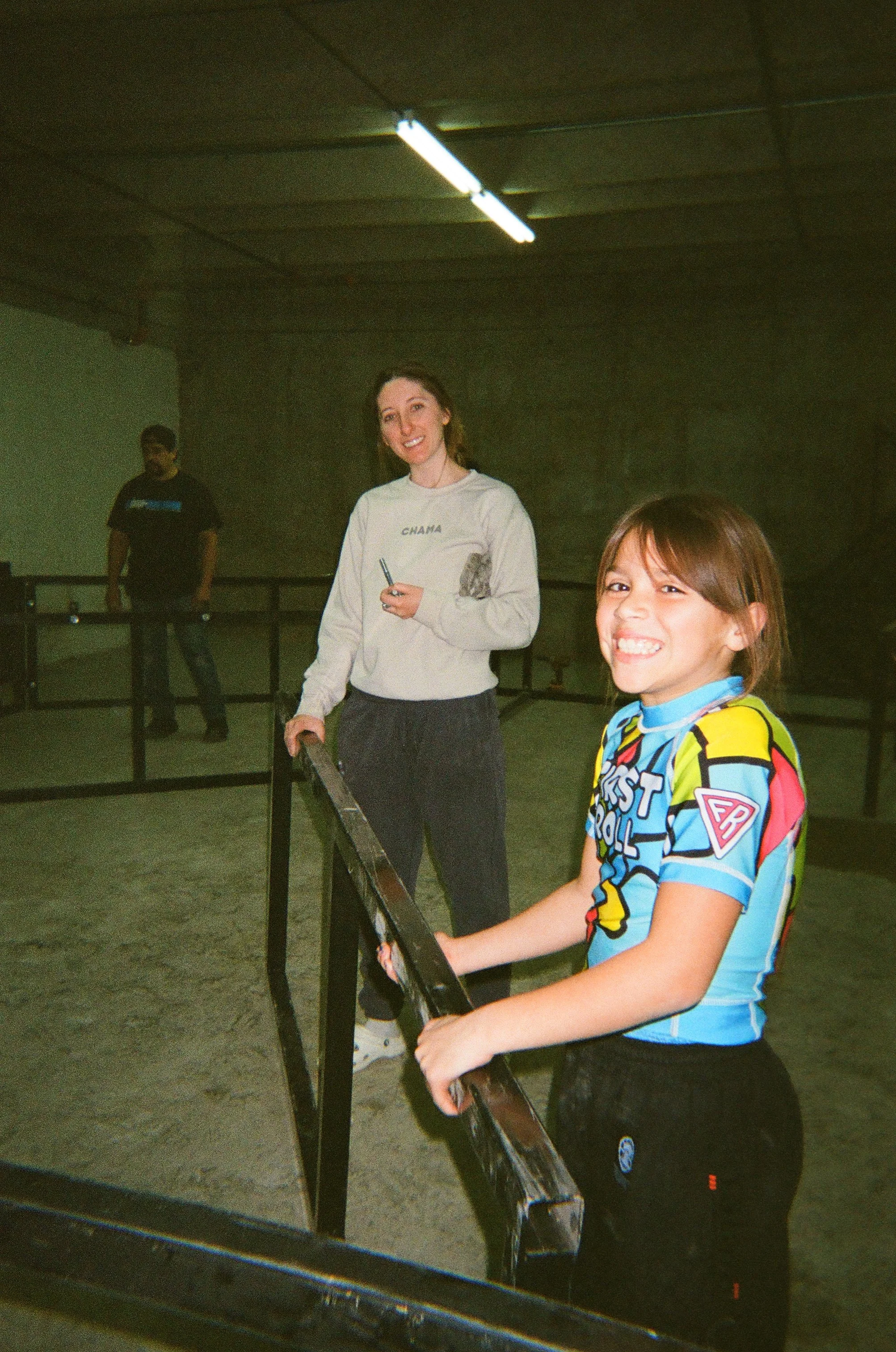
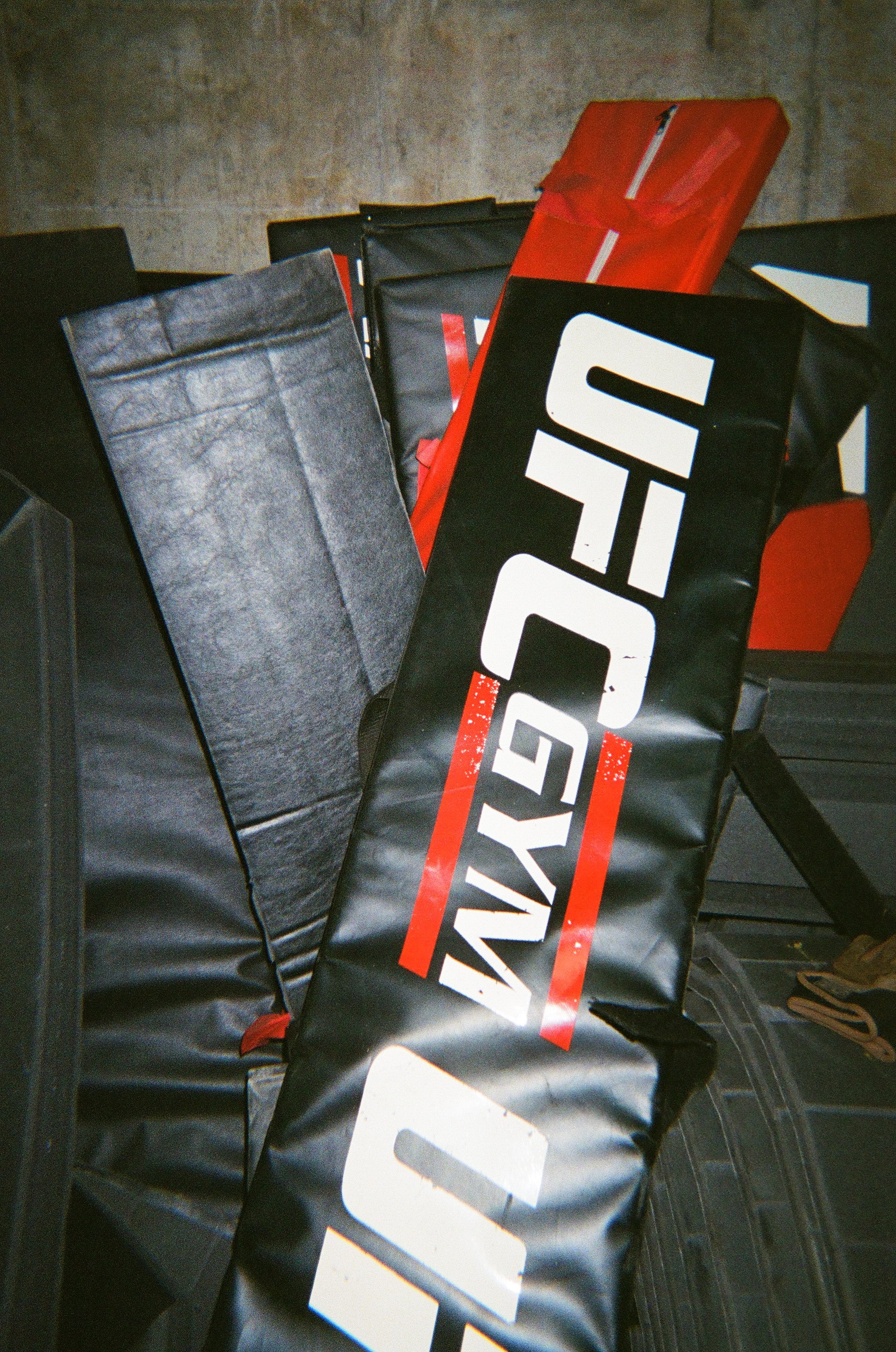
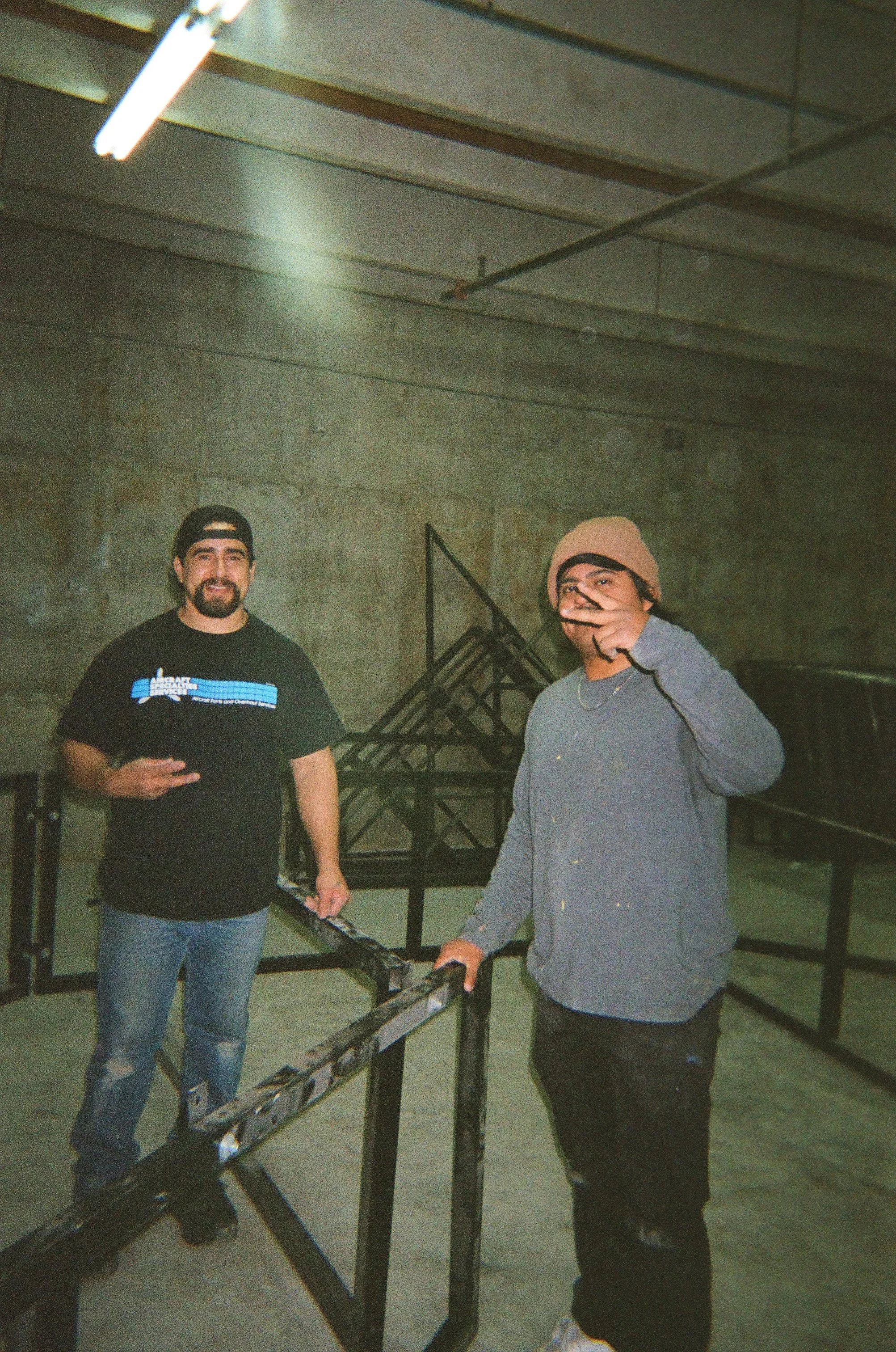
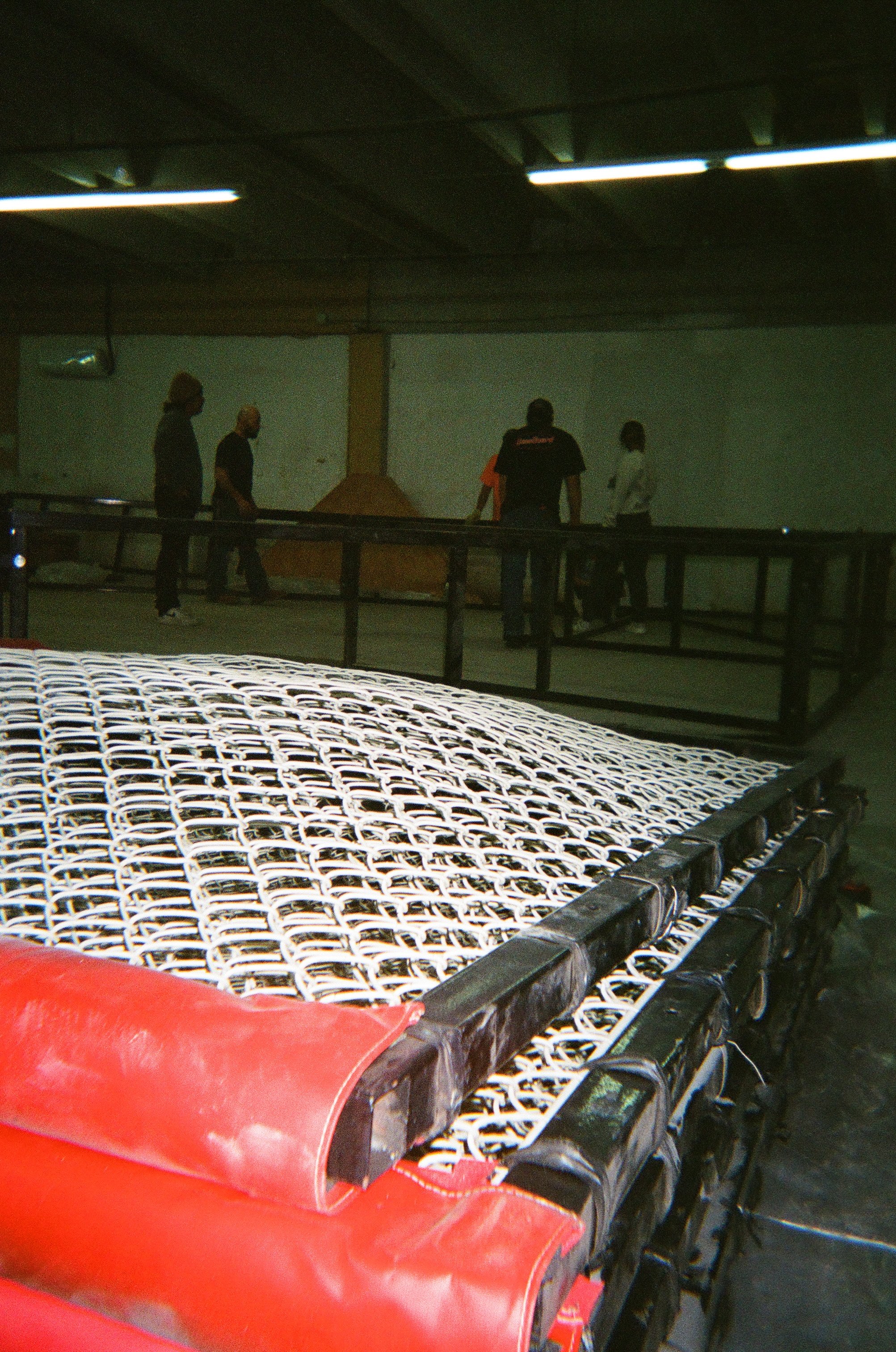
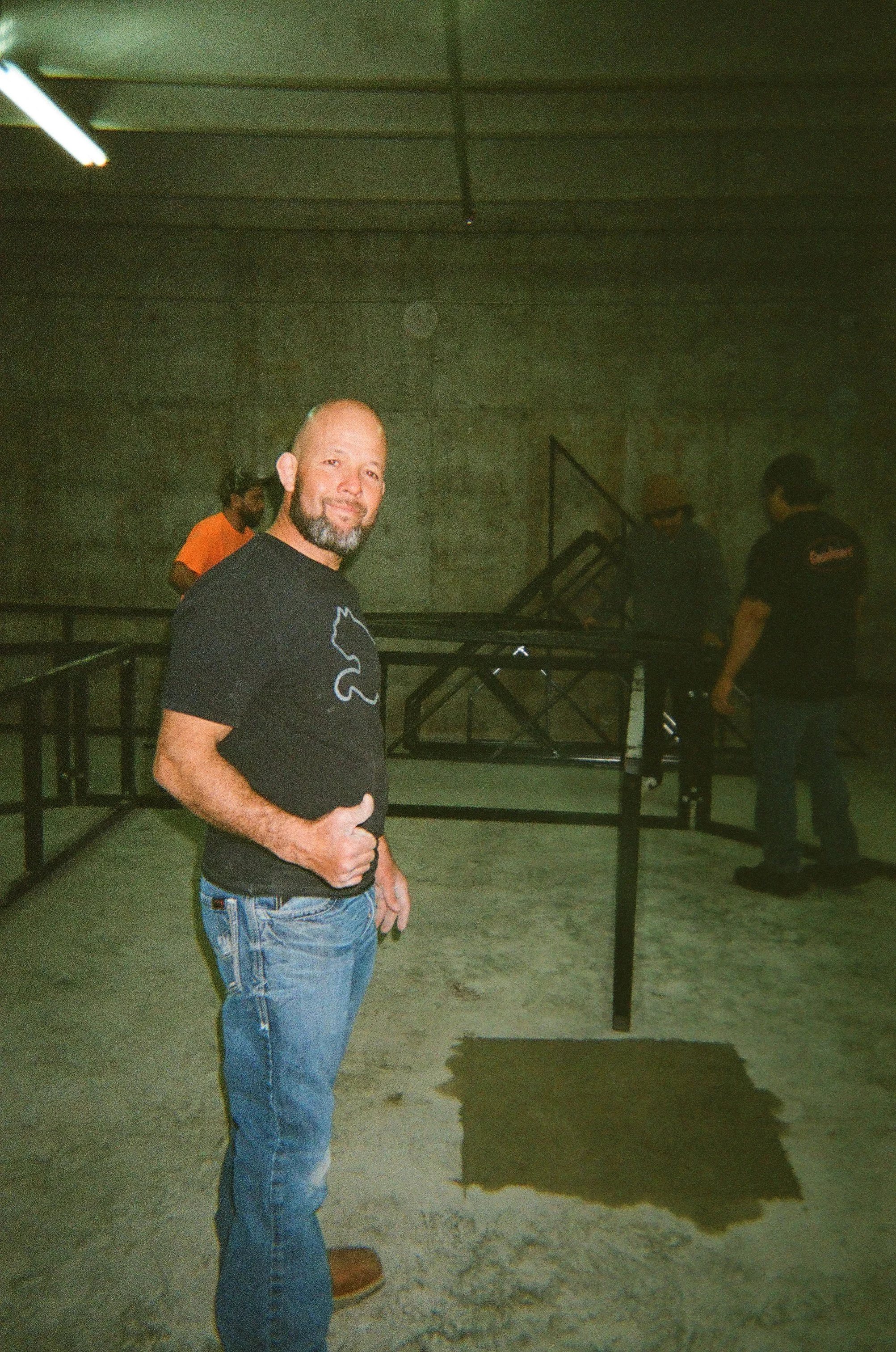
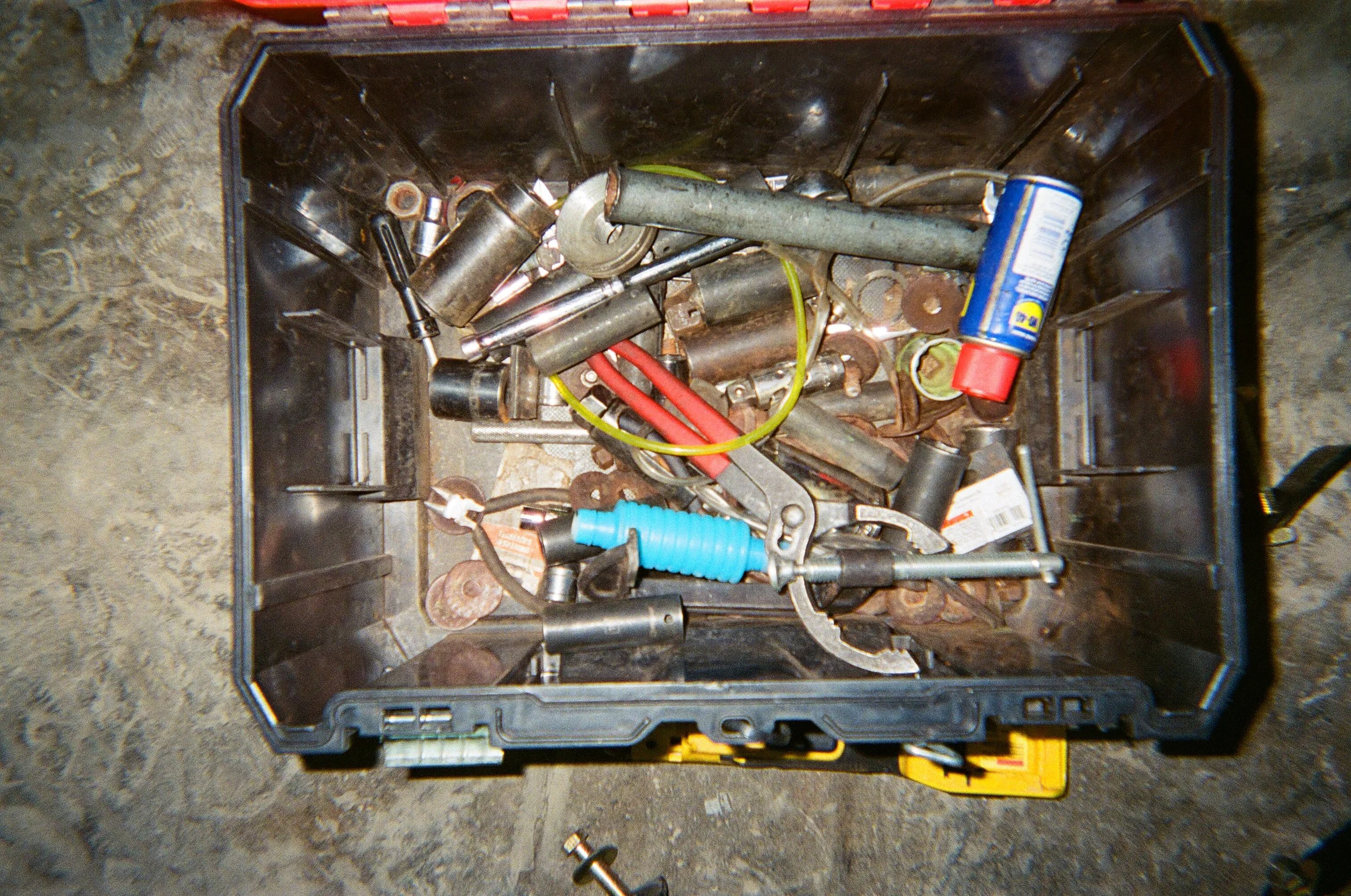
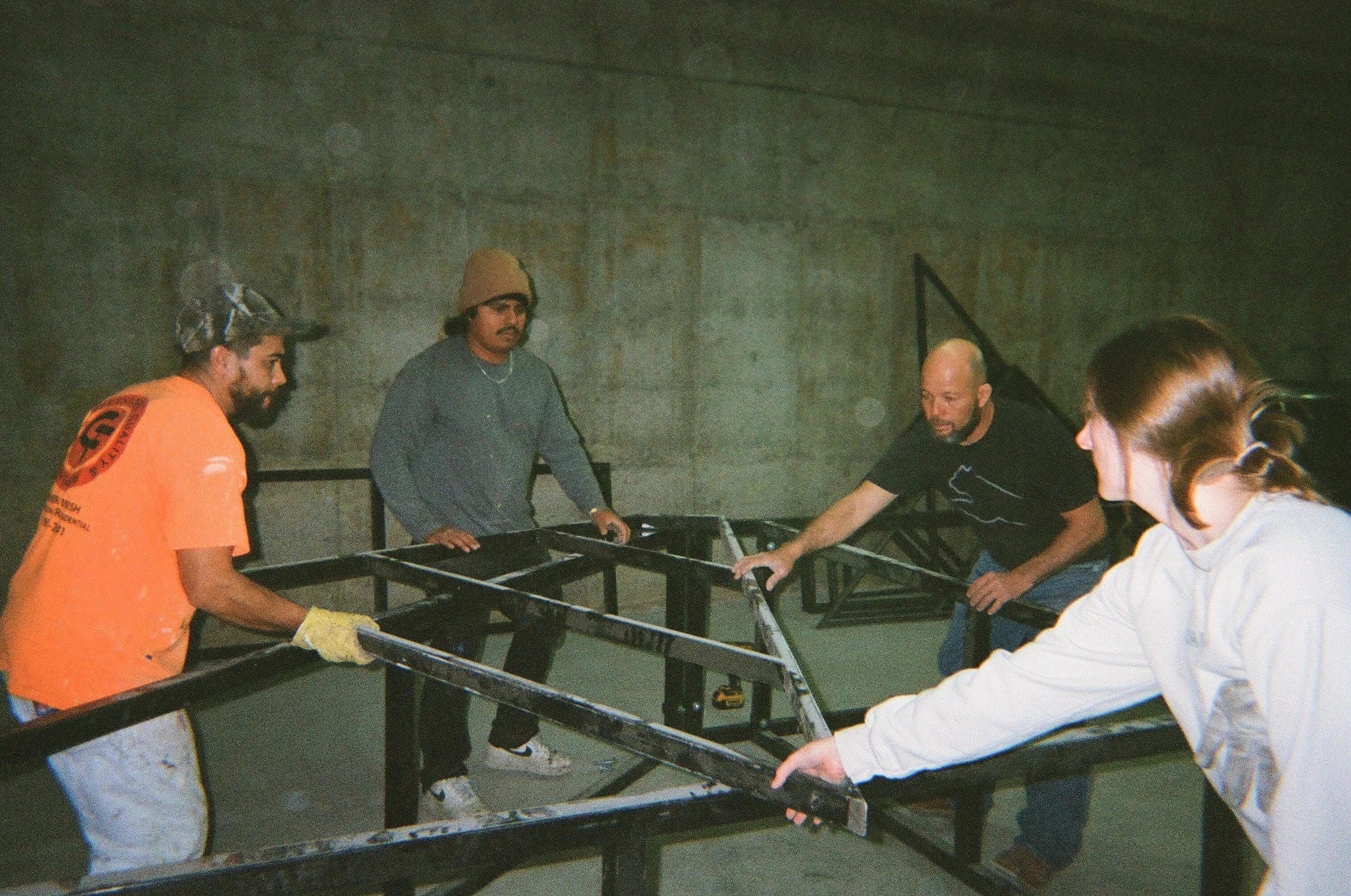
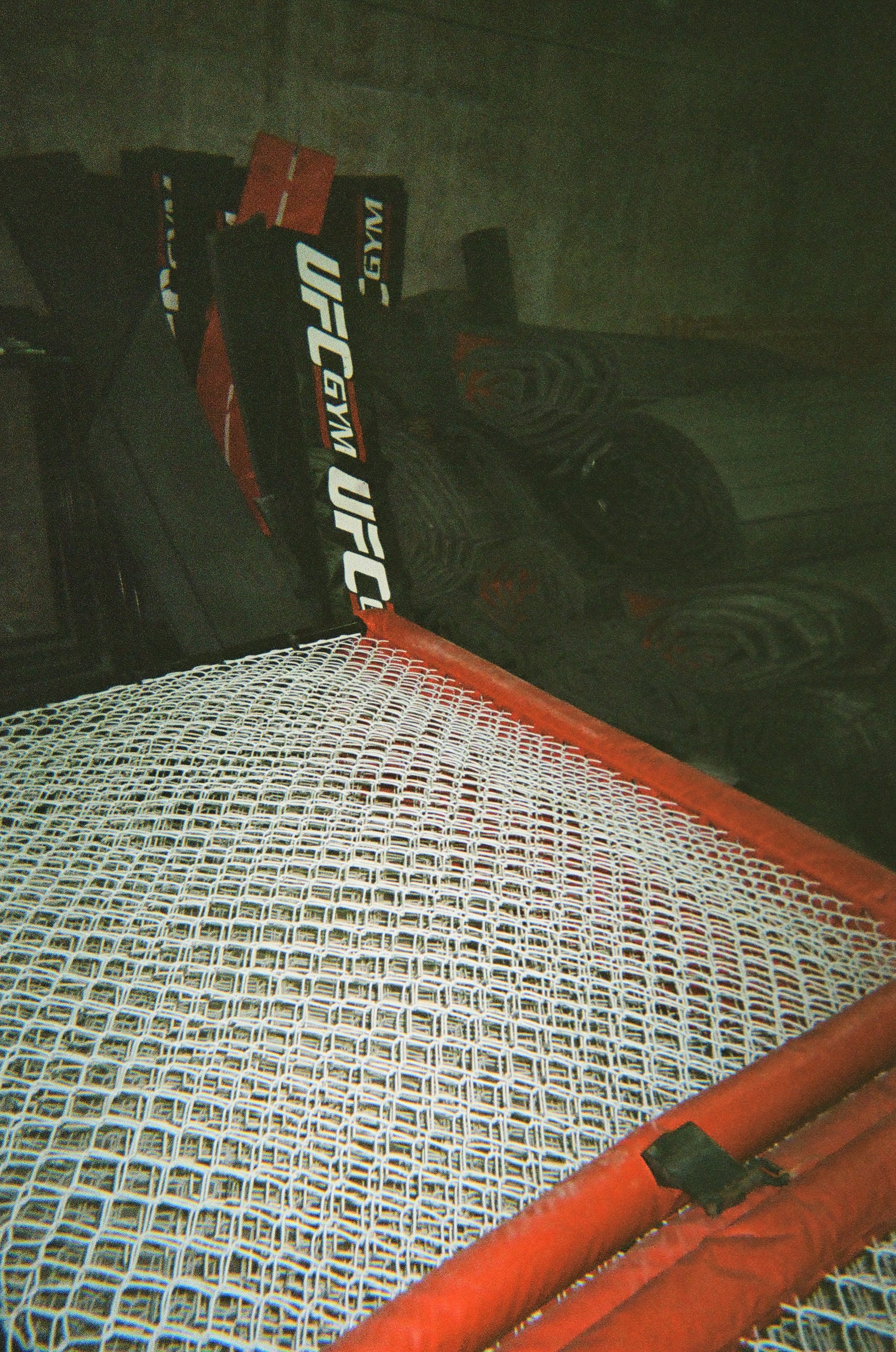
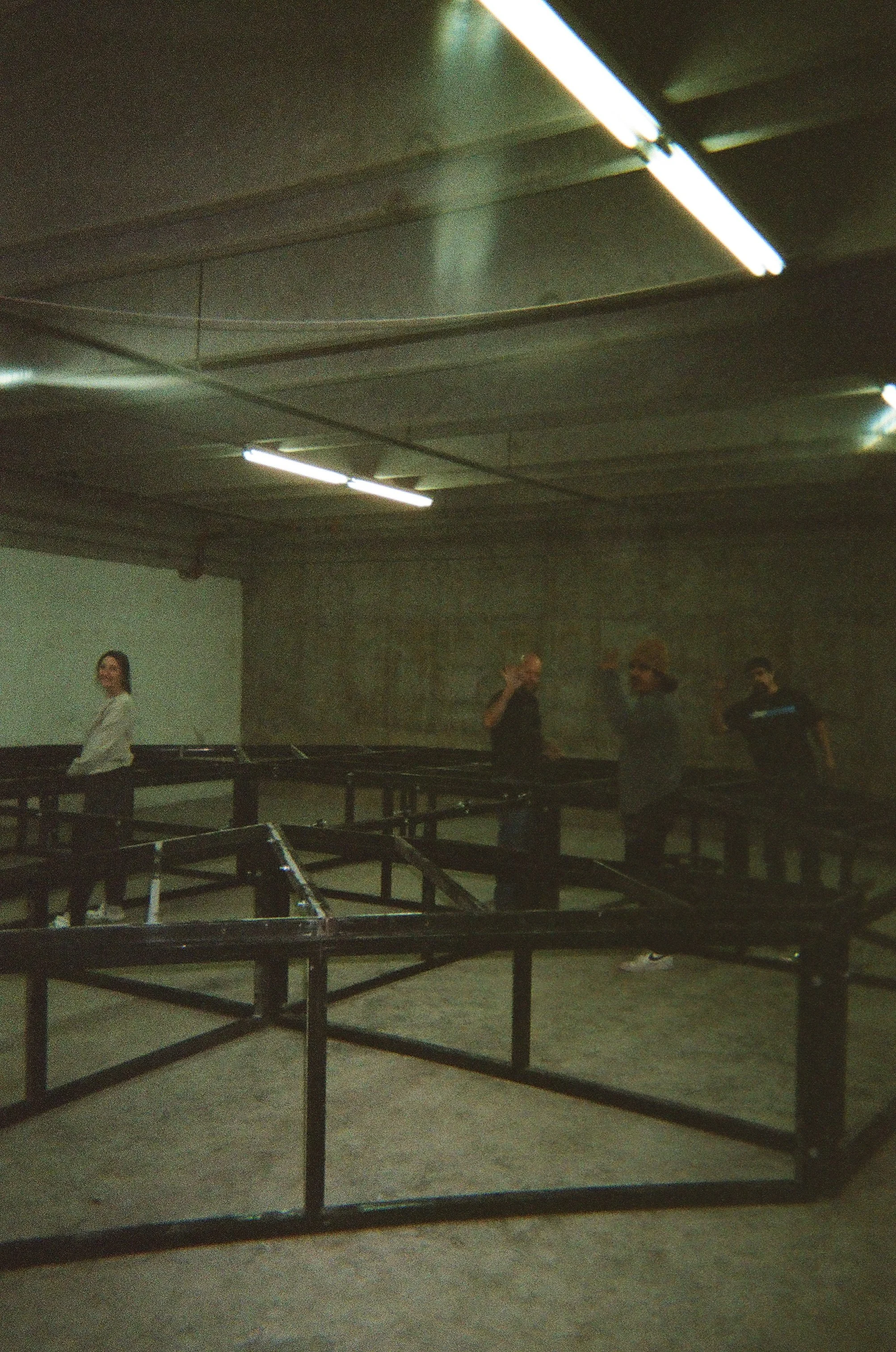
It would be easy to frame the distinction of this martial arts brand as a happy accident, like I took a few film photos around the gym and stumbled into a cool aesthetic, but that would miss the larger strategy. In a social media ecosystem where advertisements, event recaps, and individual feeds can easily blend together, the disposable camera gave Combat Warriors a way to document the room with a visual style that felt aligned and recognizable.
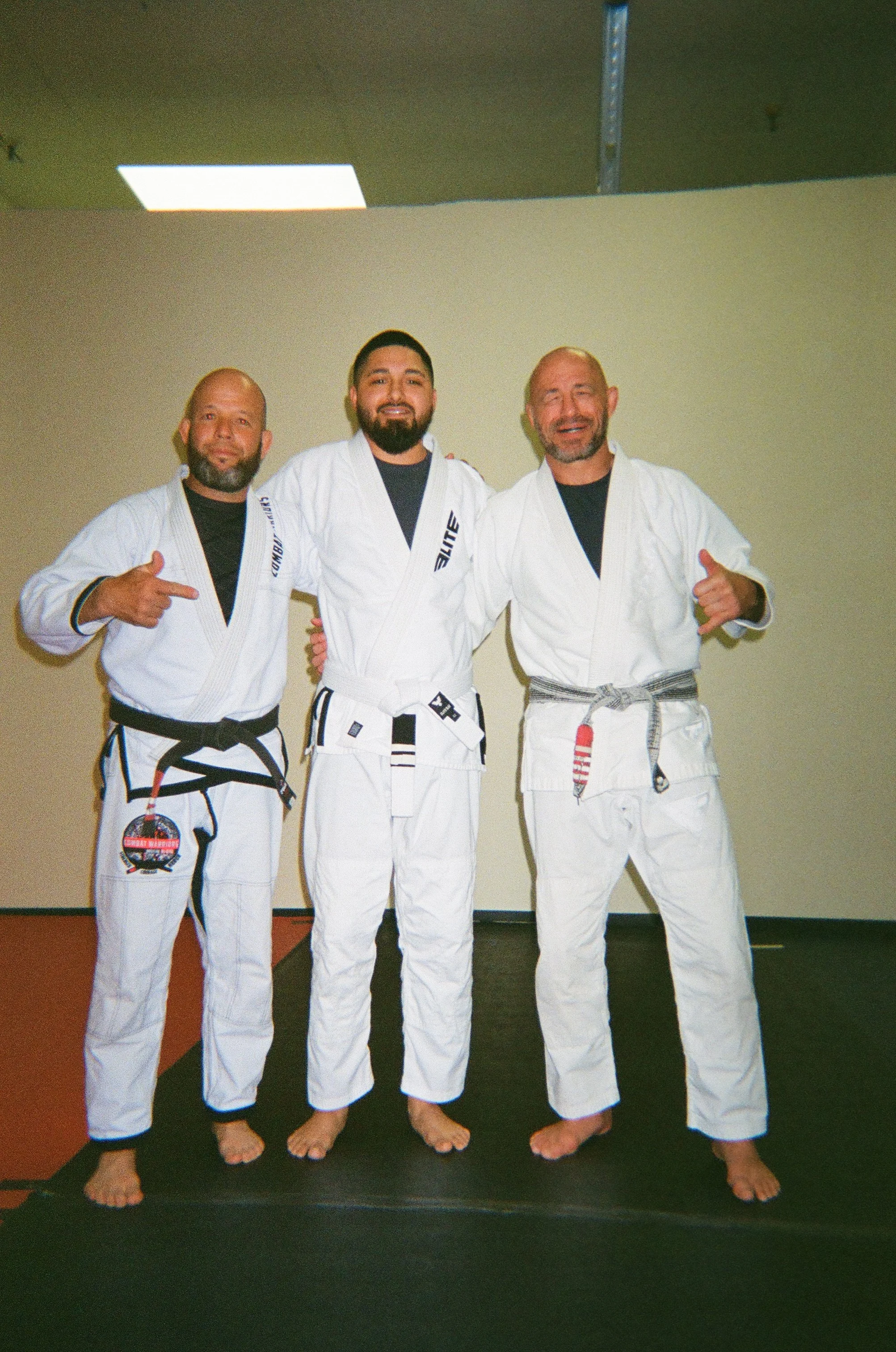
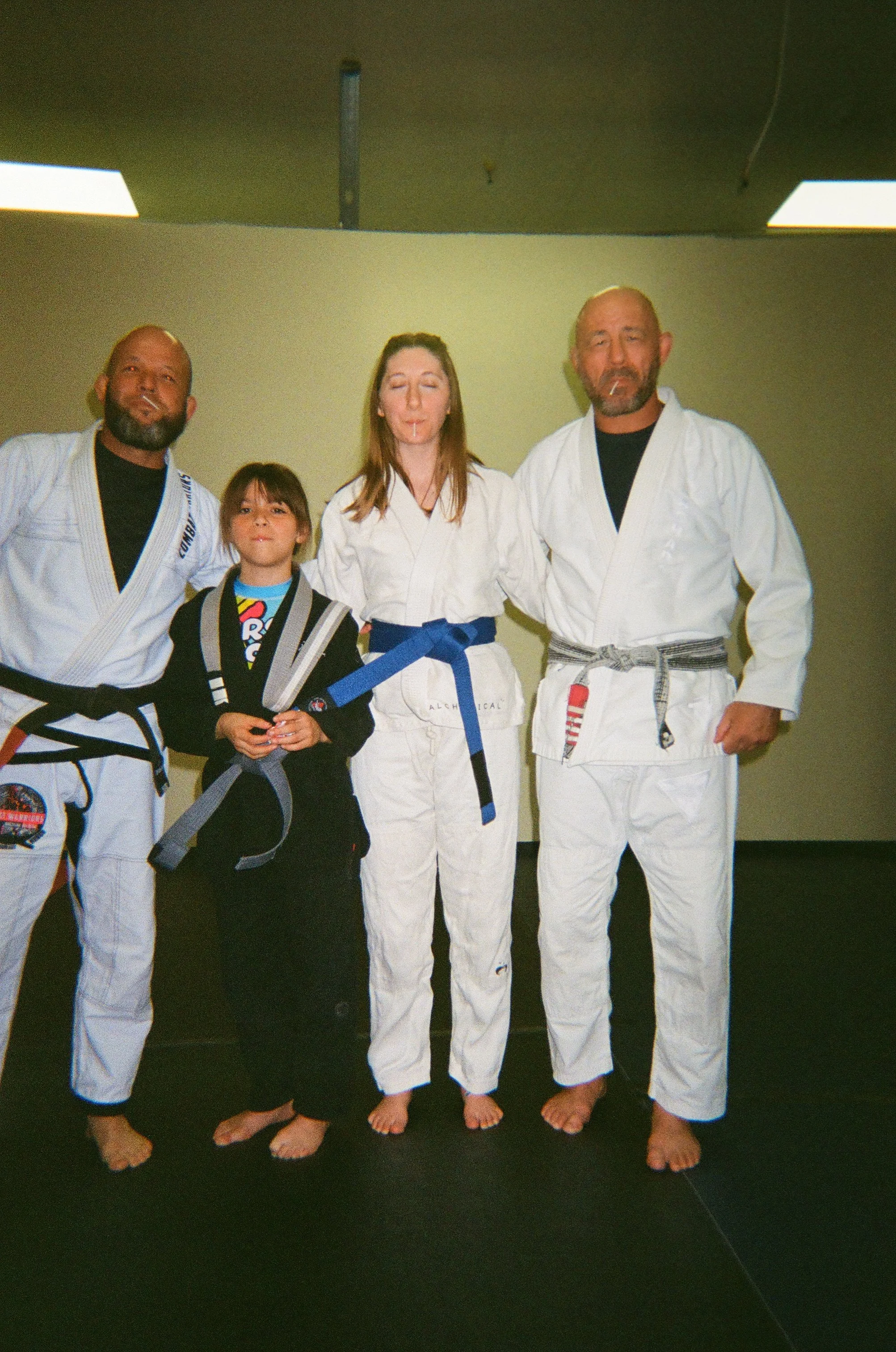
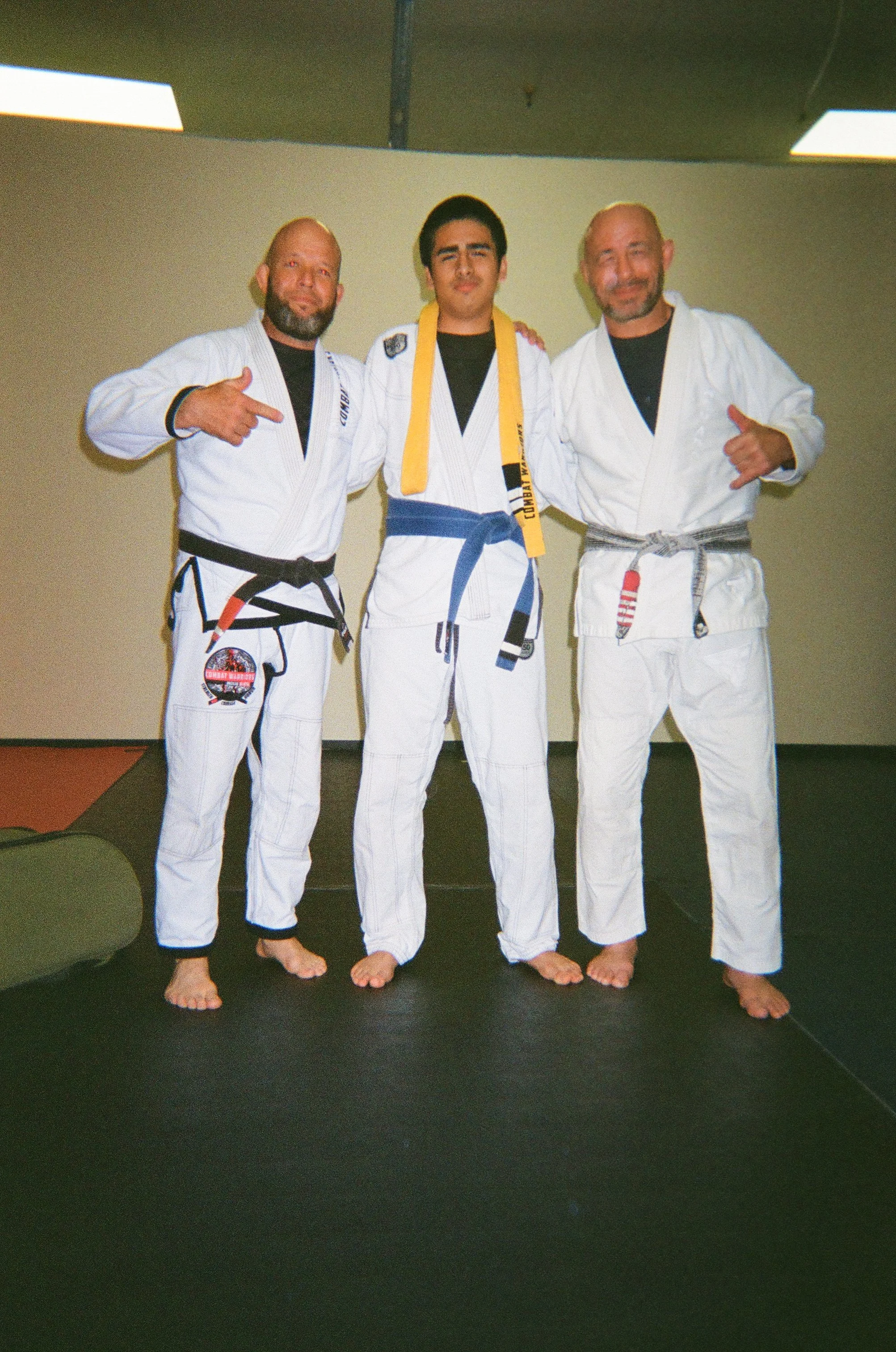
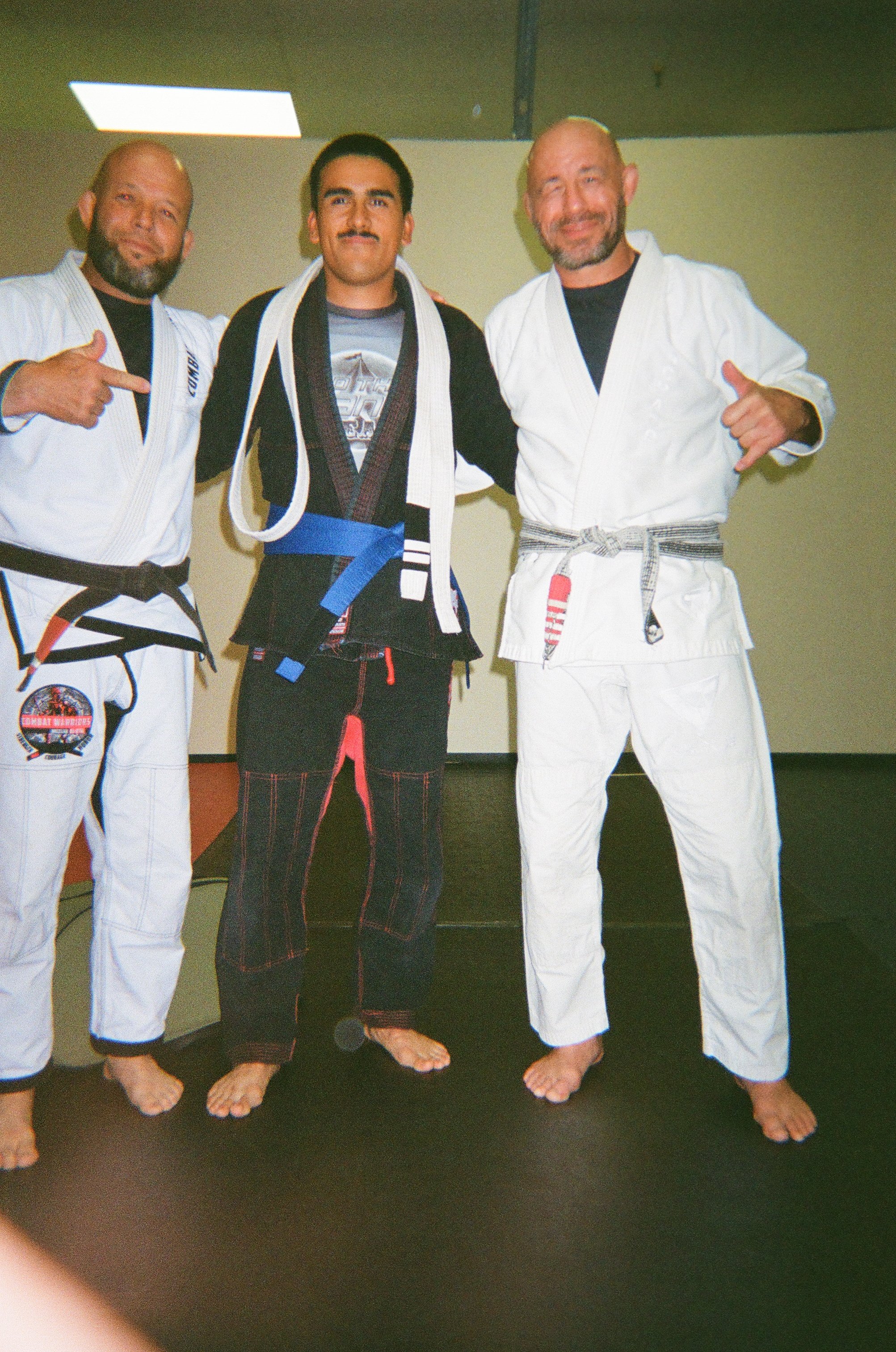
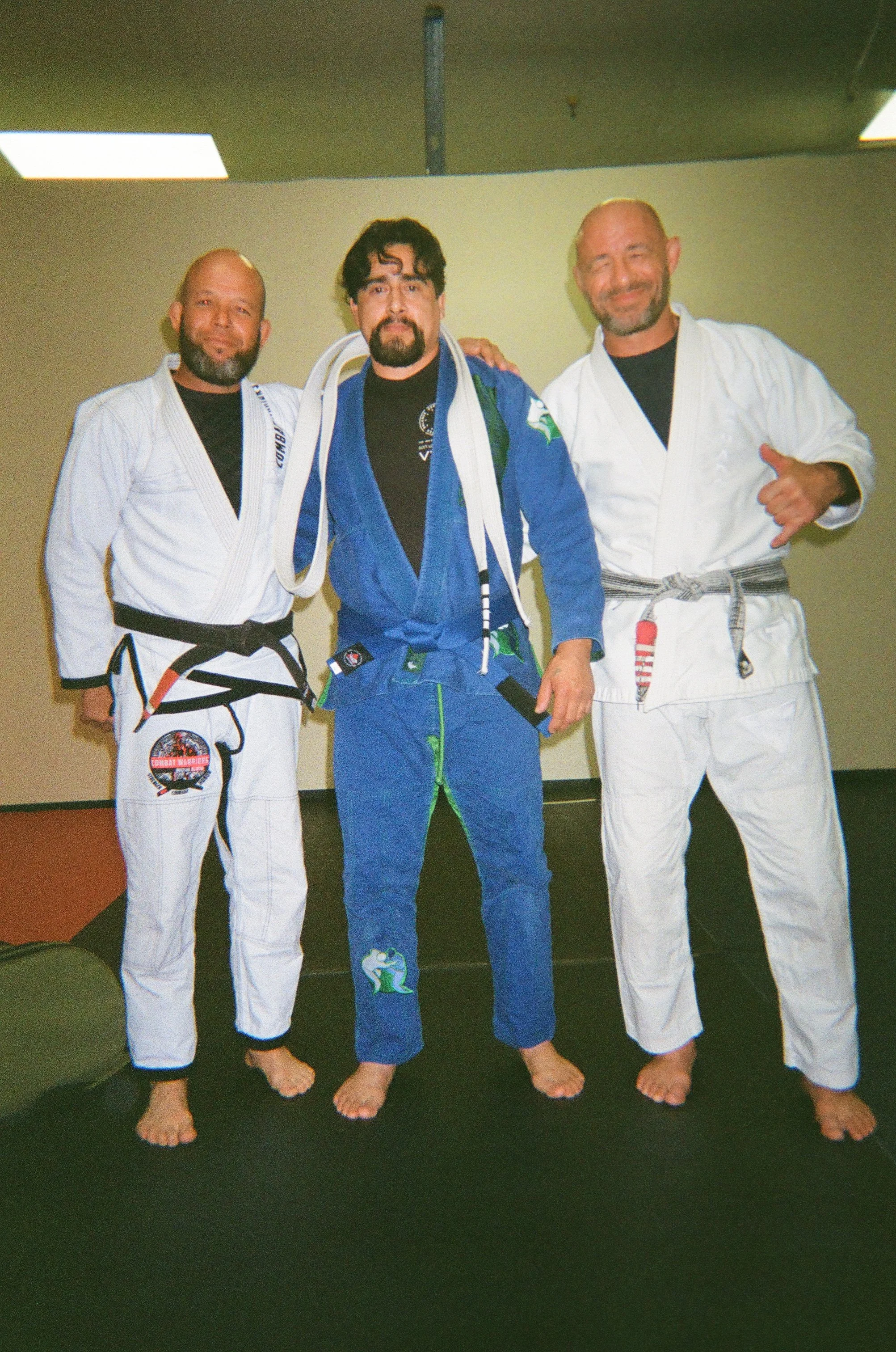
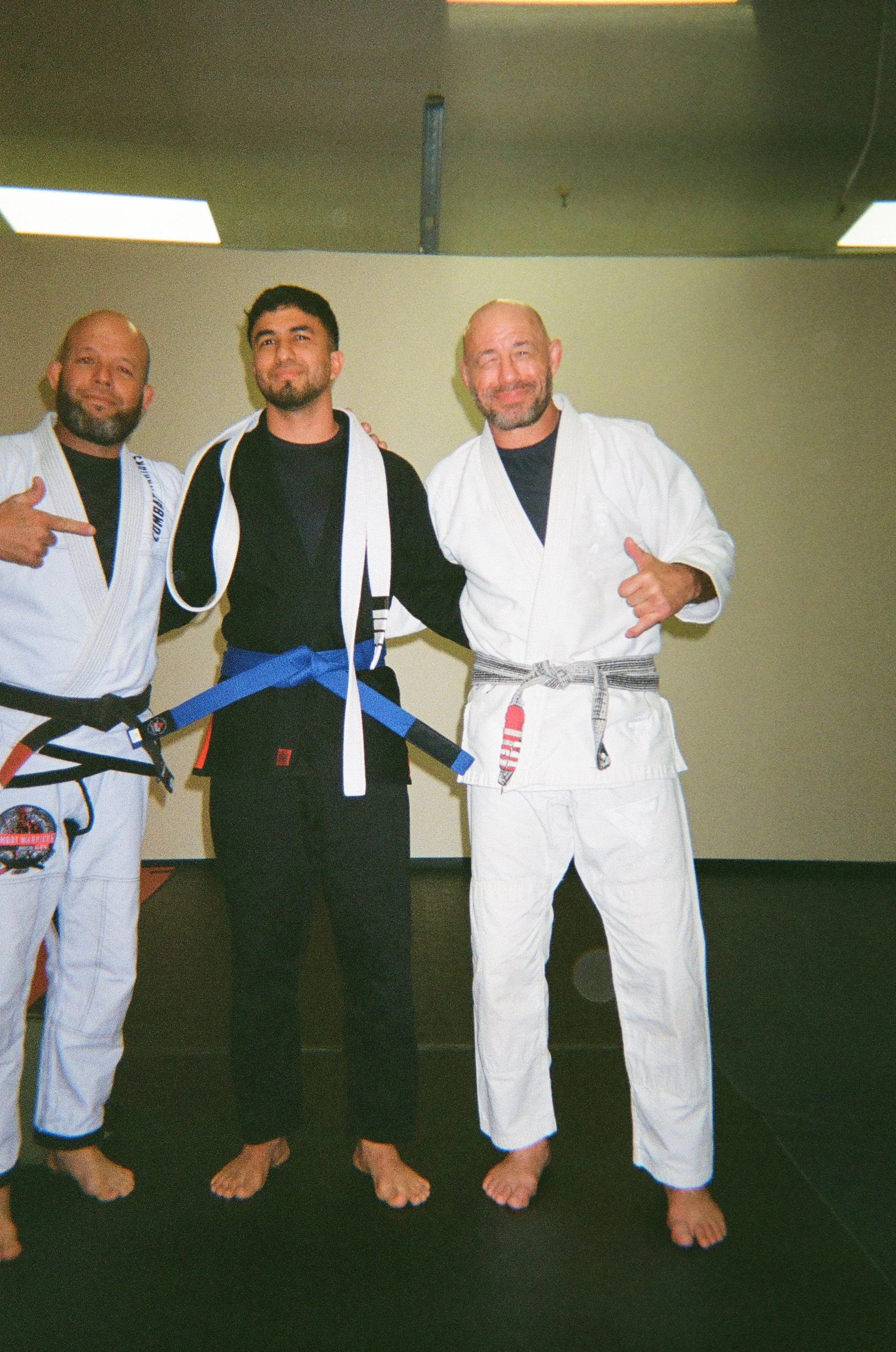
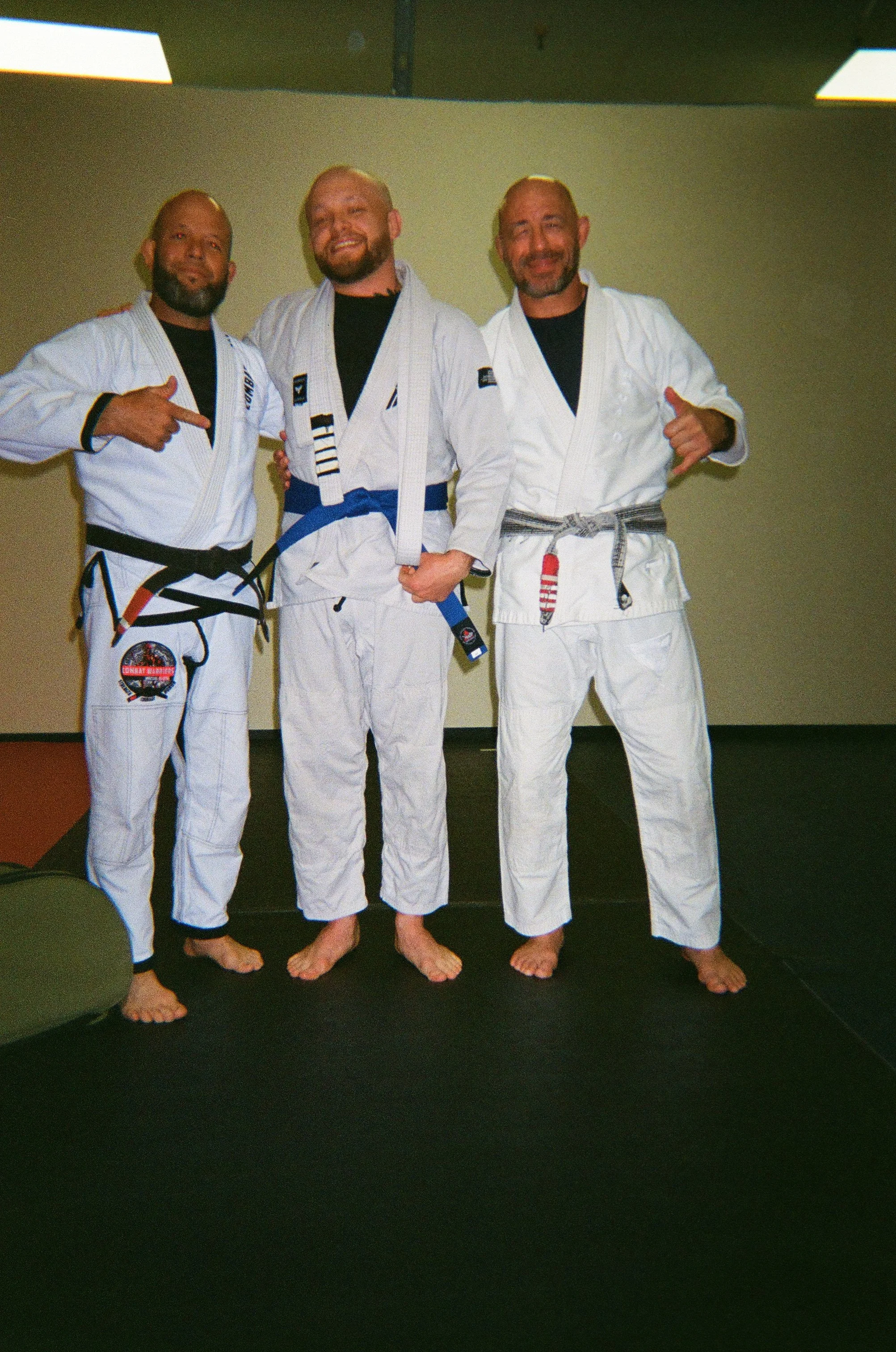
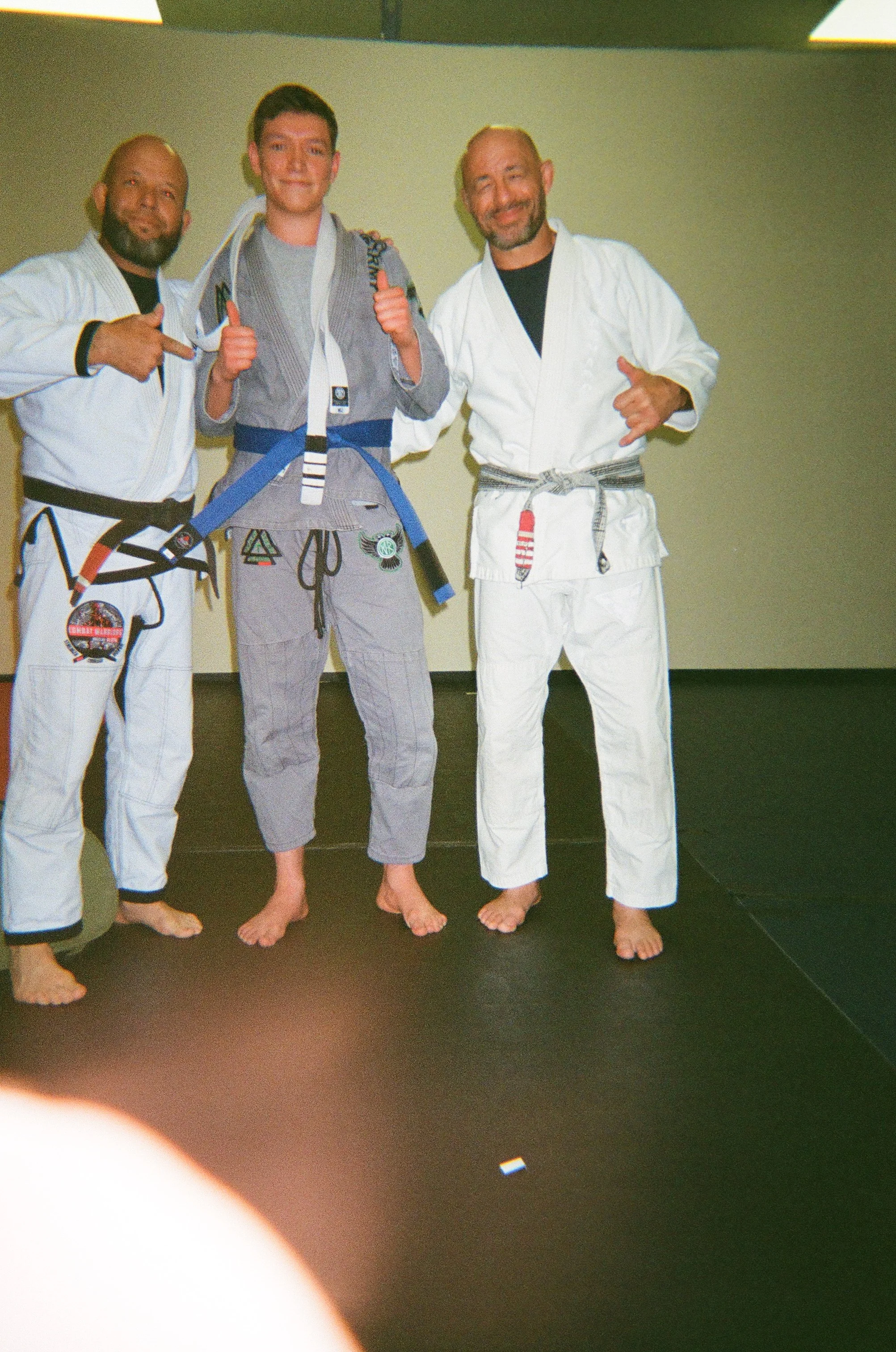
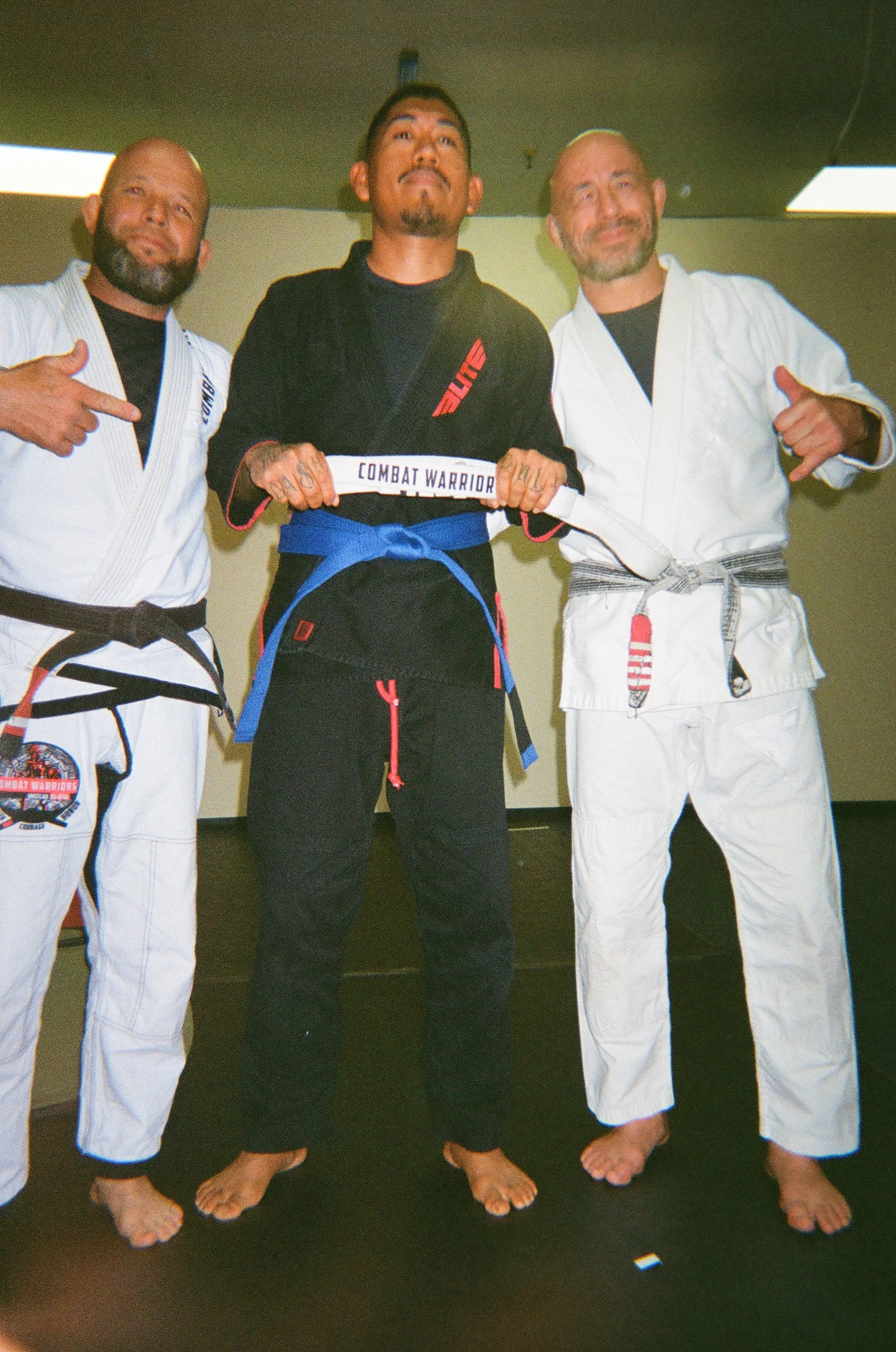
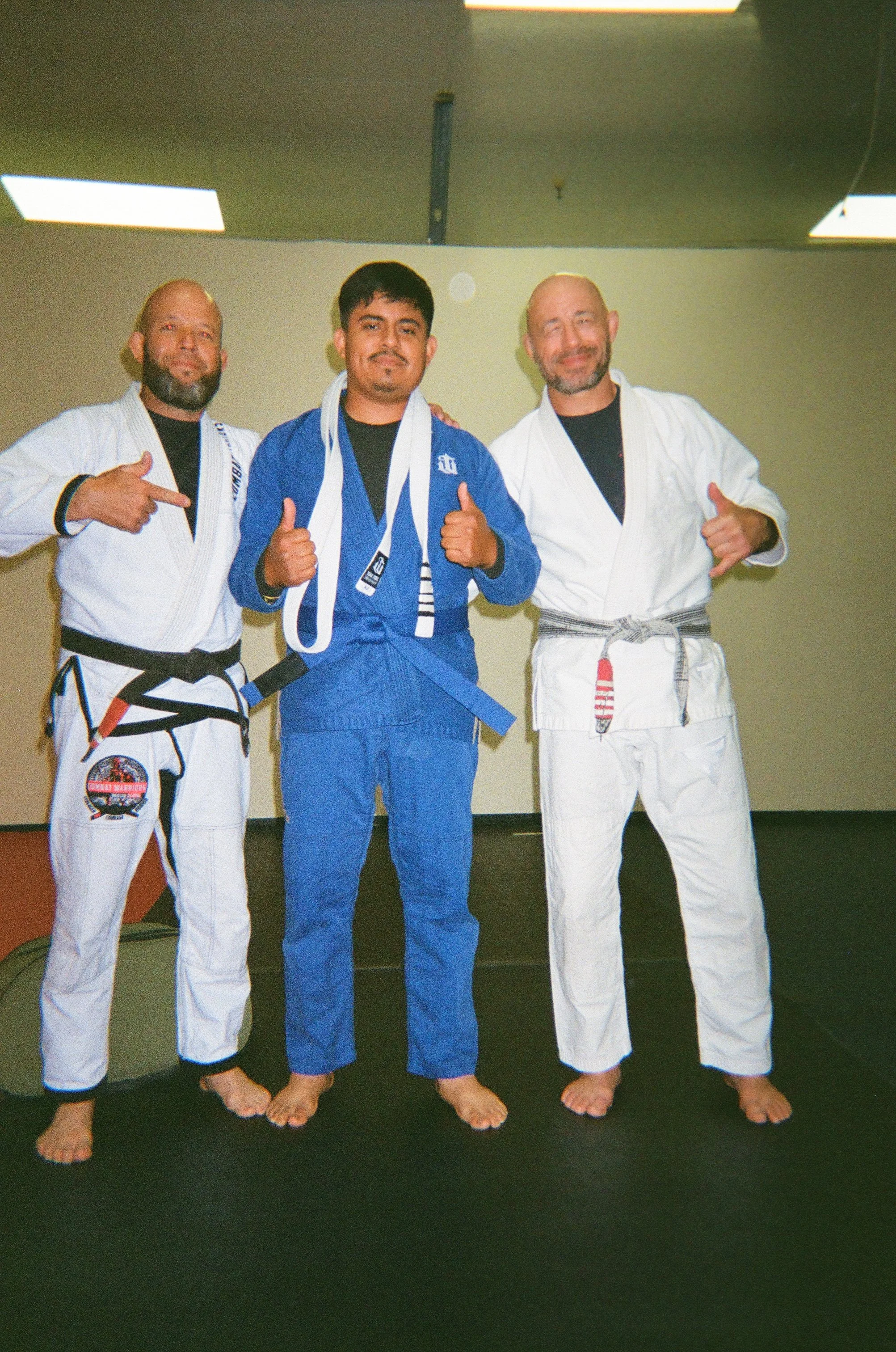
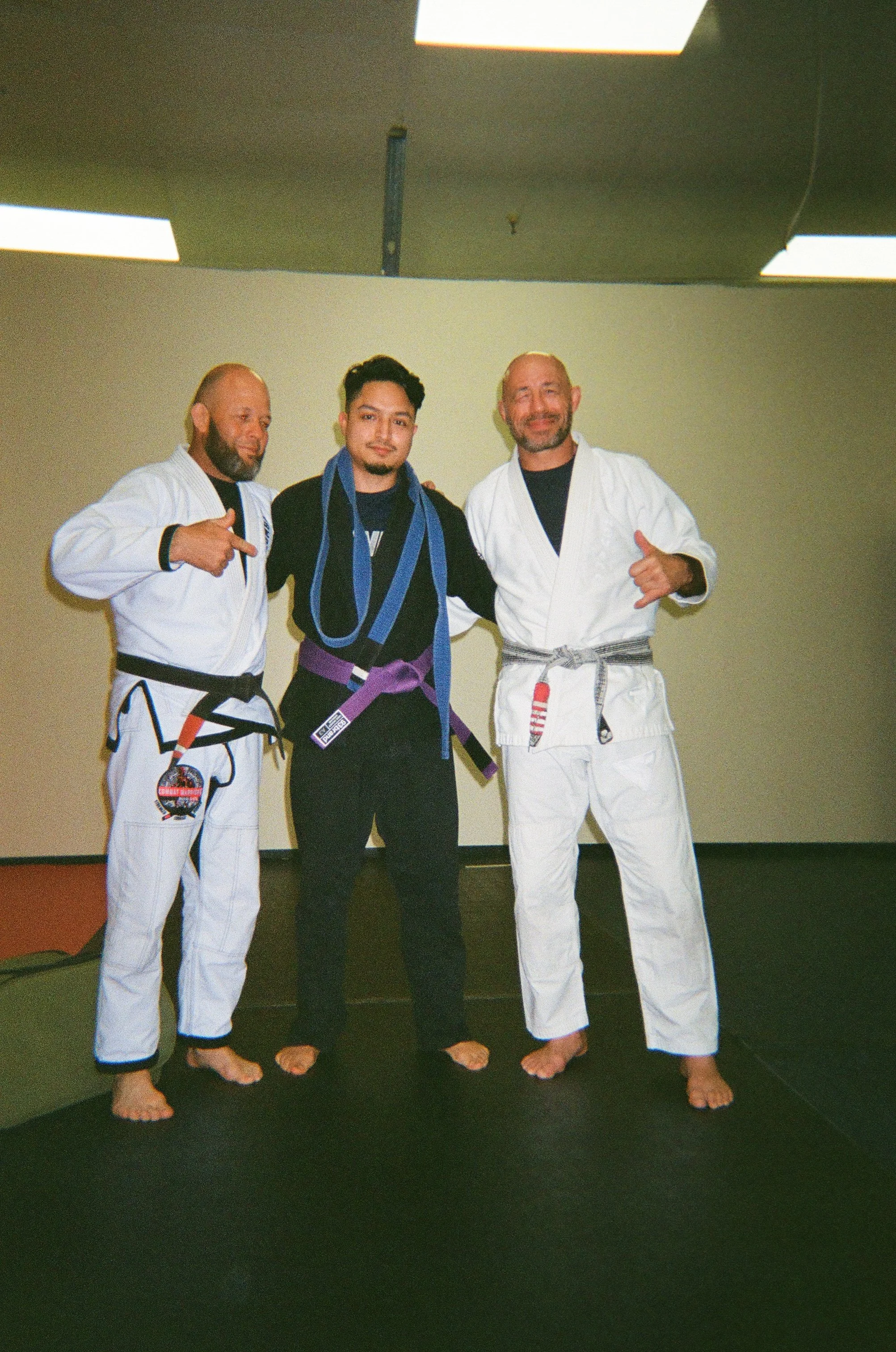
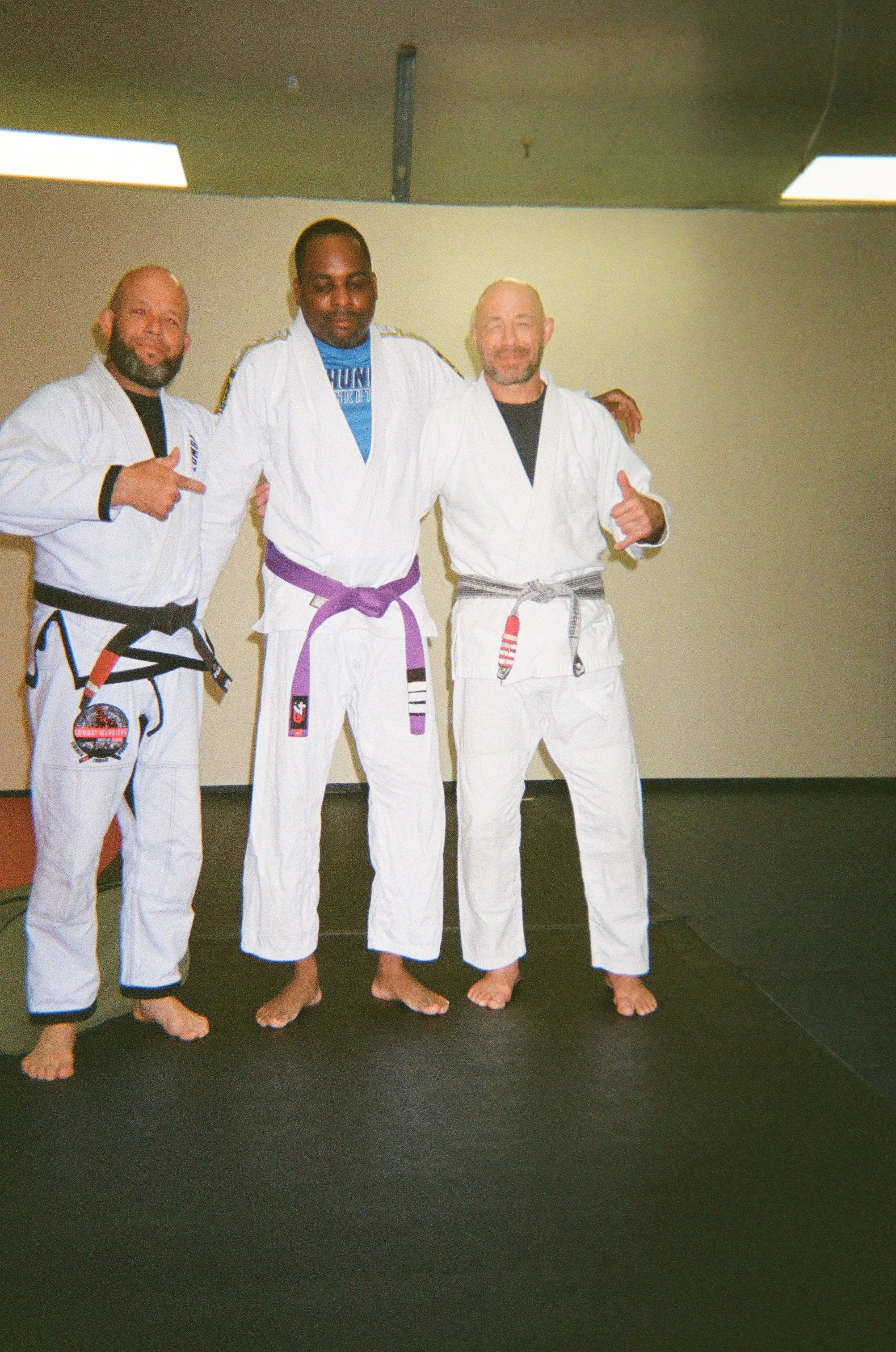
Early photos caught my attention because they felt honest to every corner. Combat Warriors already had this notably textured, “Fight Club” energy to it. The kind of room where the rustic walls, sweaty mats, half-finished projects, and people moving through the space all felt like they belonged to the story. The film strips carried that same feeling without needing to manufacture grit after the fact. The flash flattened some moments and made others feel larger than they were. The grain softened the edges that digital filters still struggle to emulate. Shadows swallowed parts of the frame. Colors shifted in imperfect and unpredictable ways. Even when a photo was only a few weeks old, it had the emotional distance of memory worth keeping.
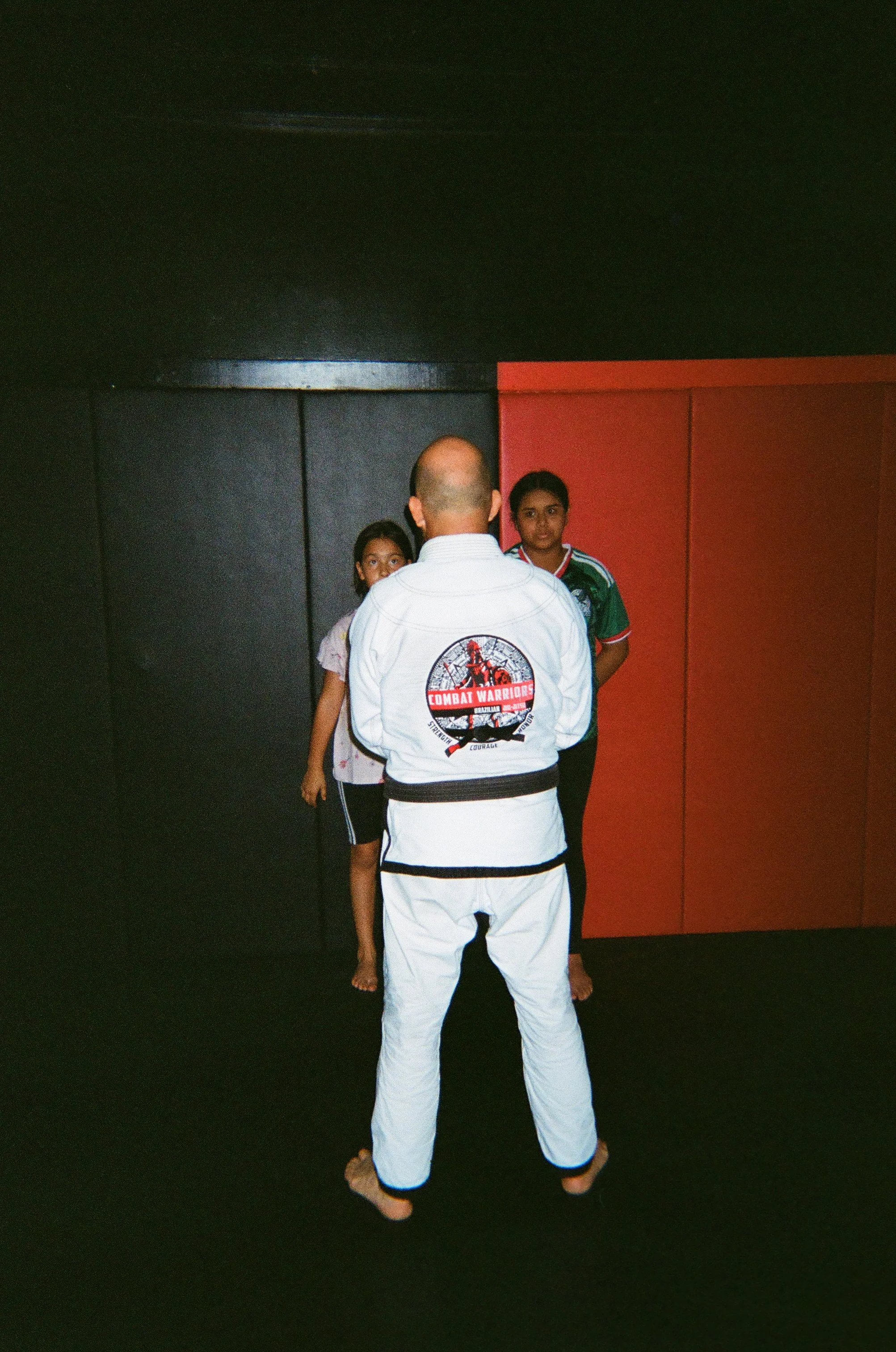
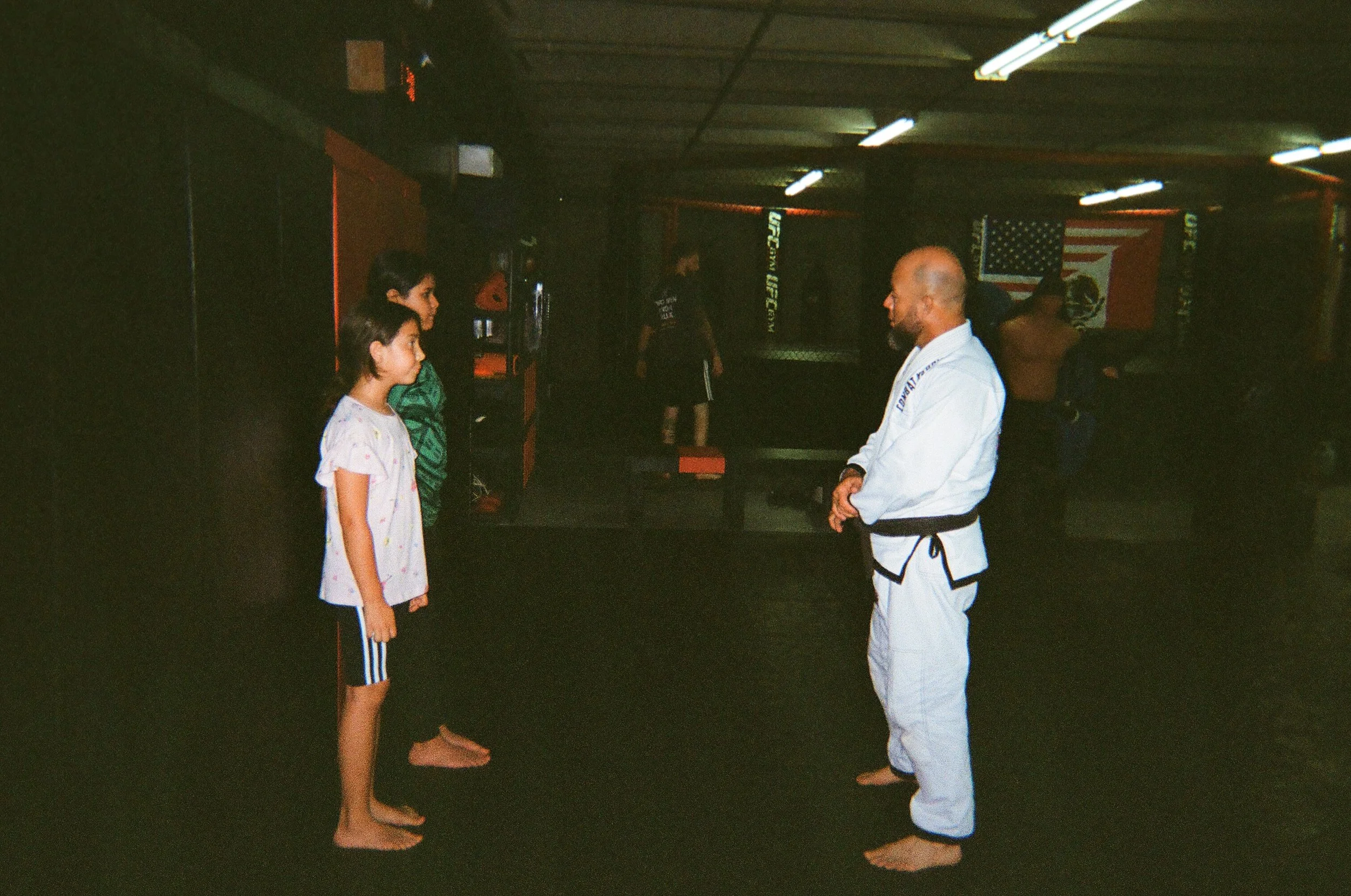
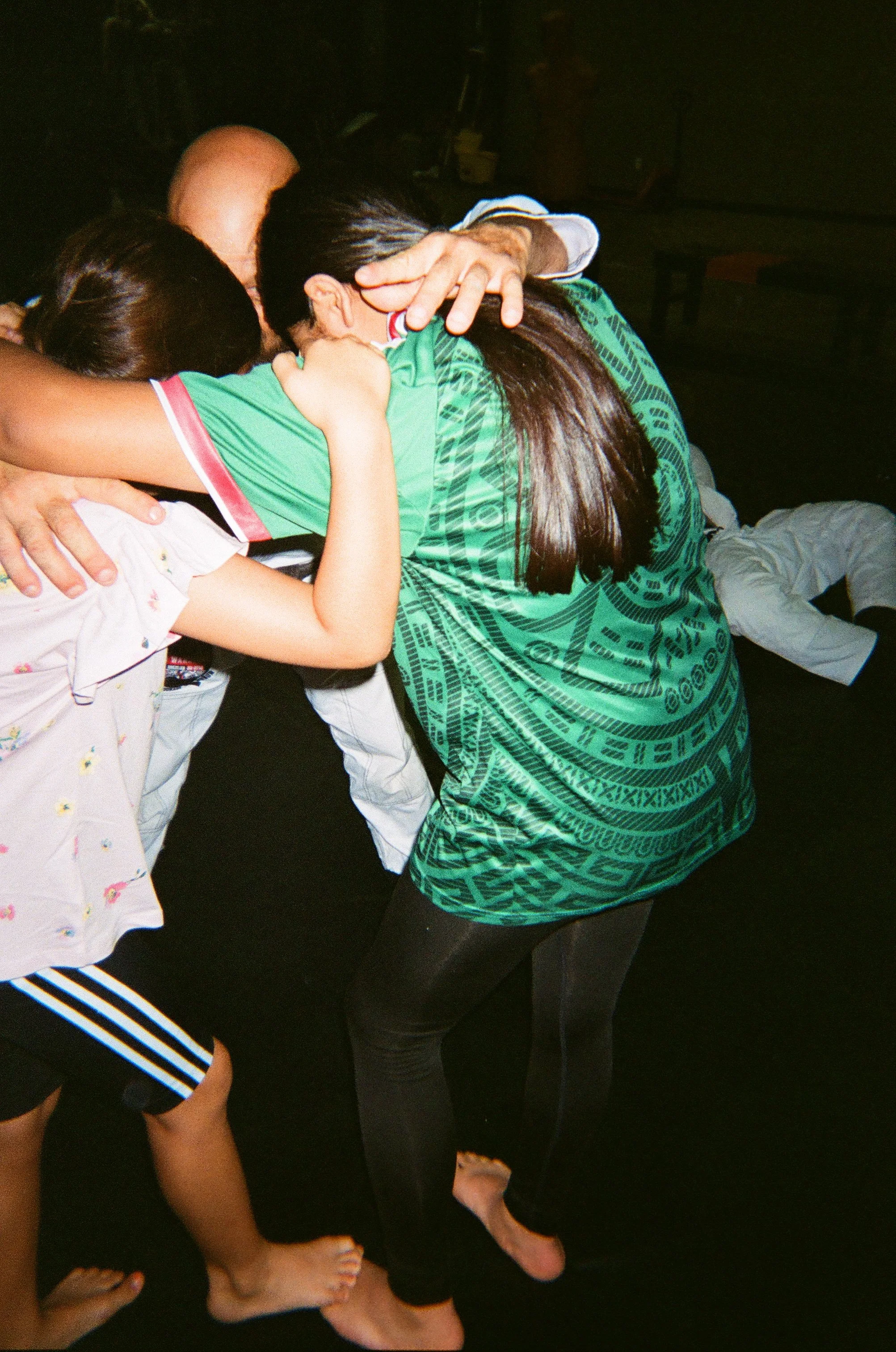
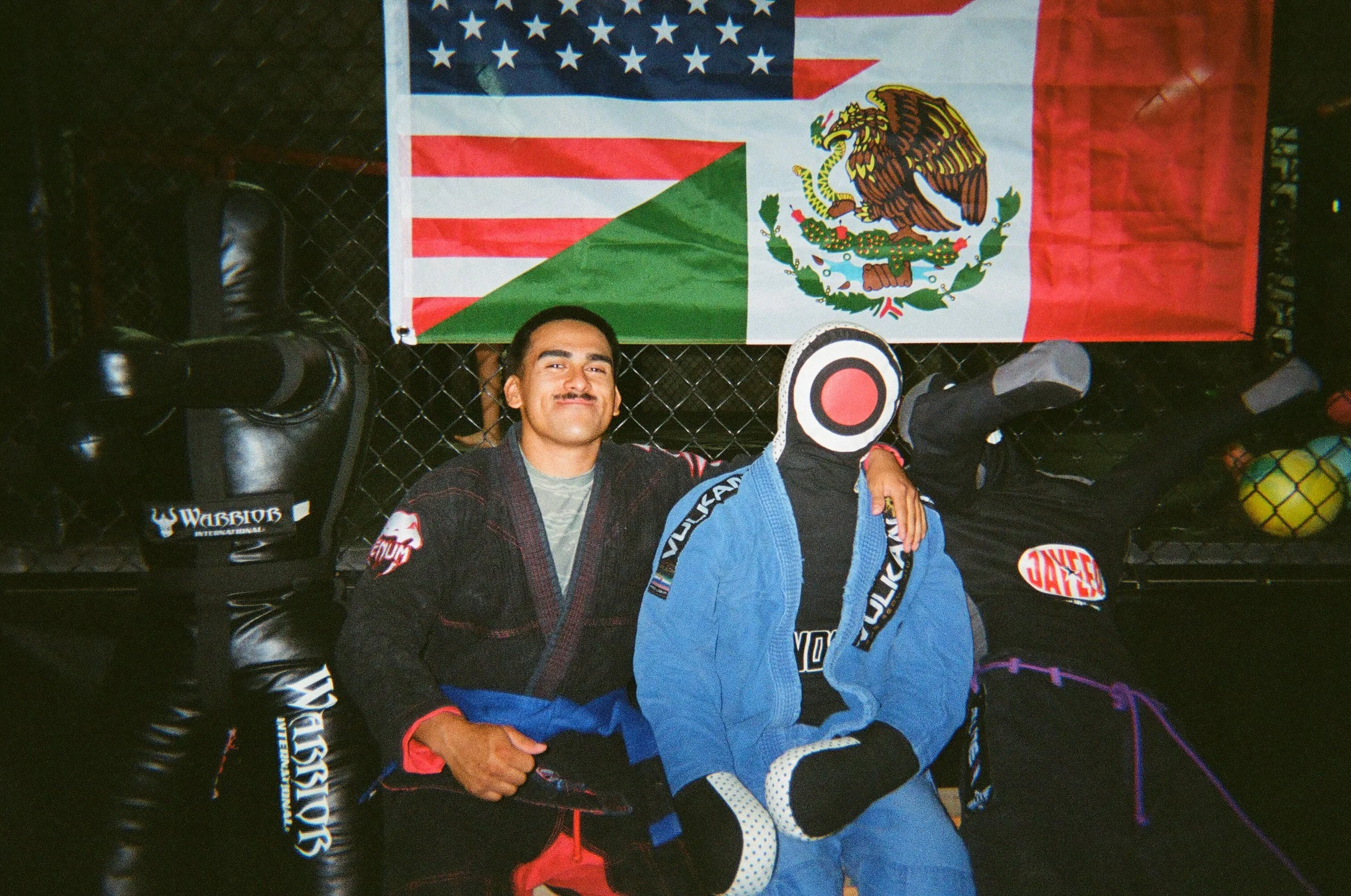
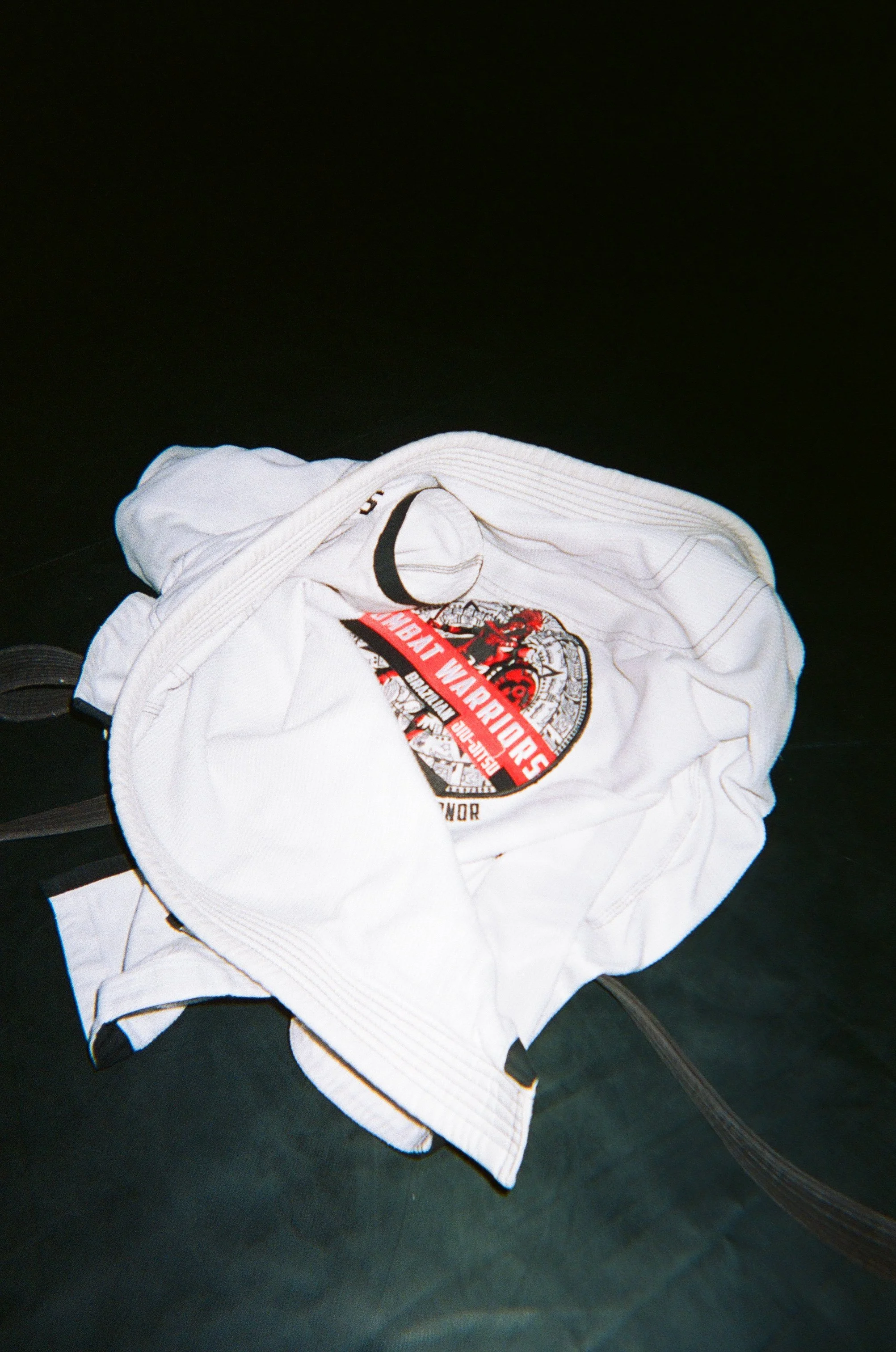
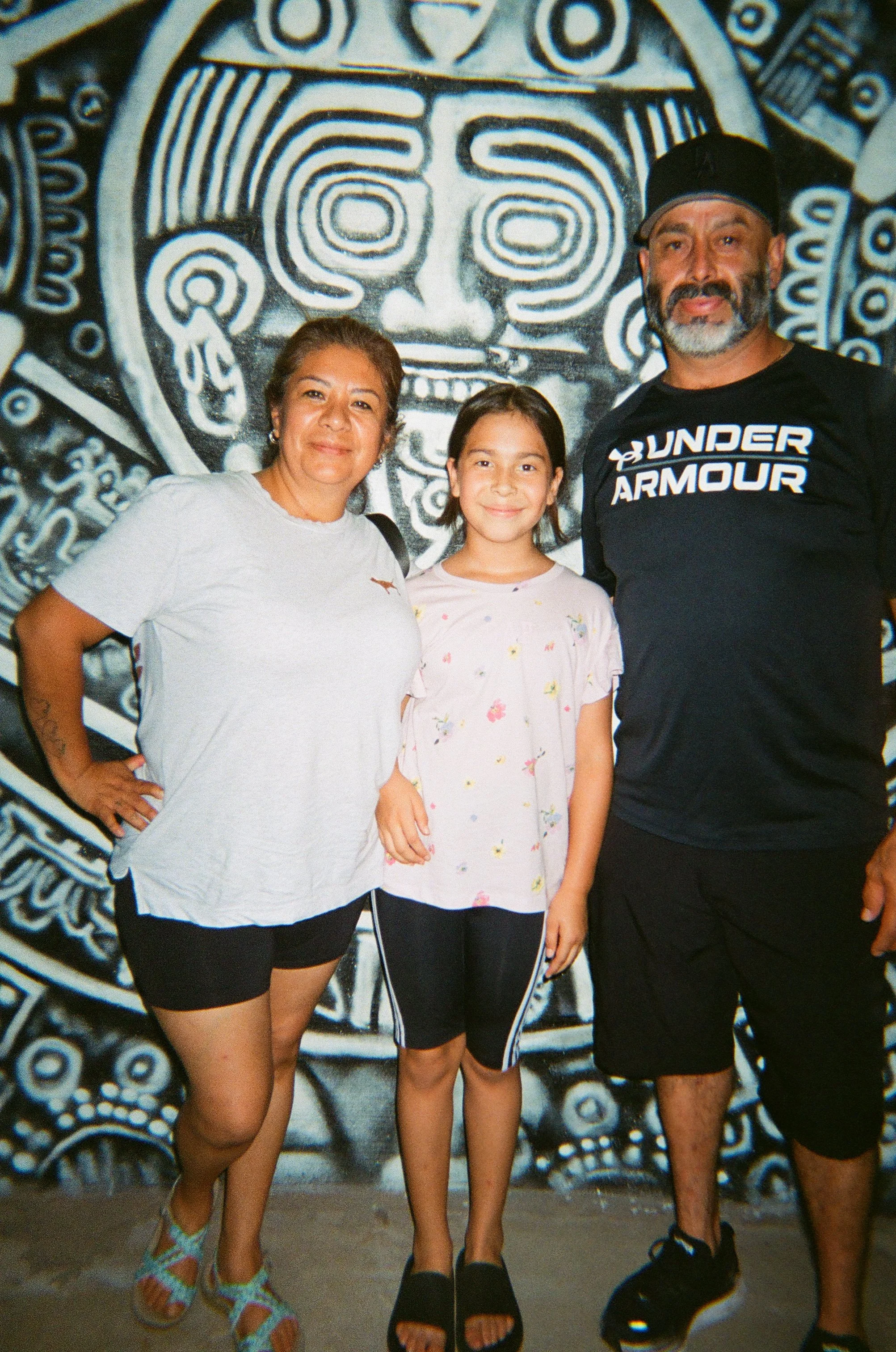
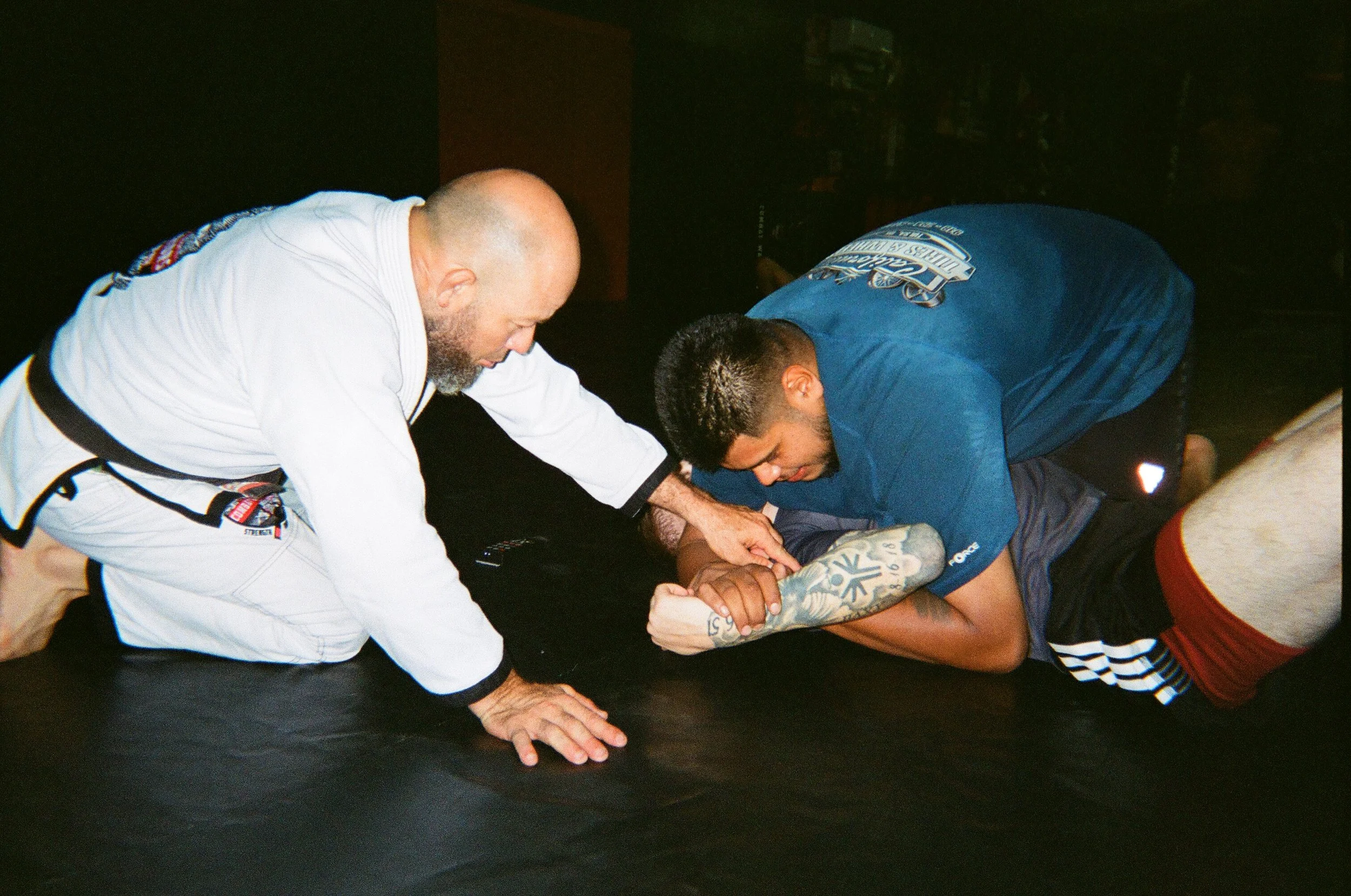
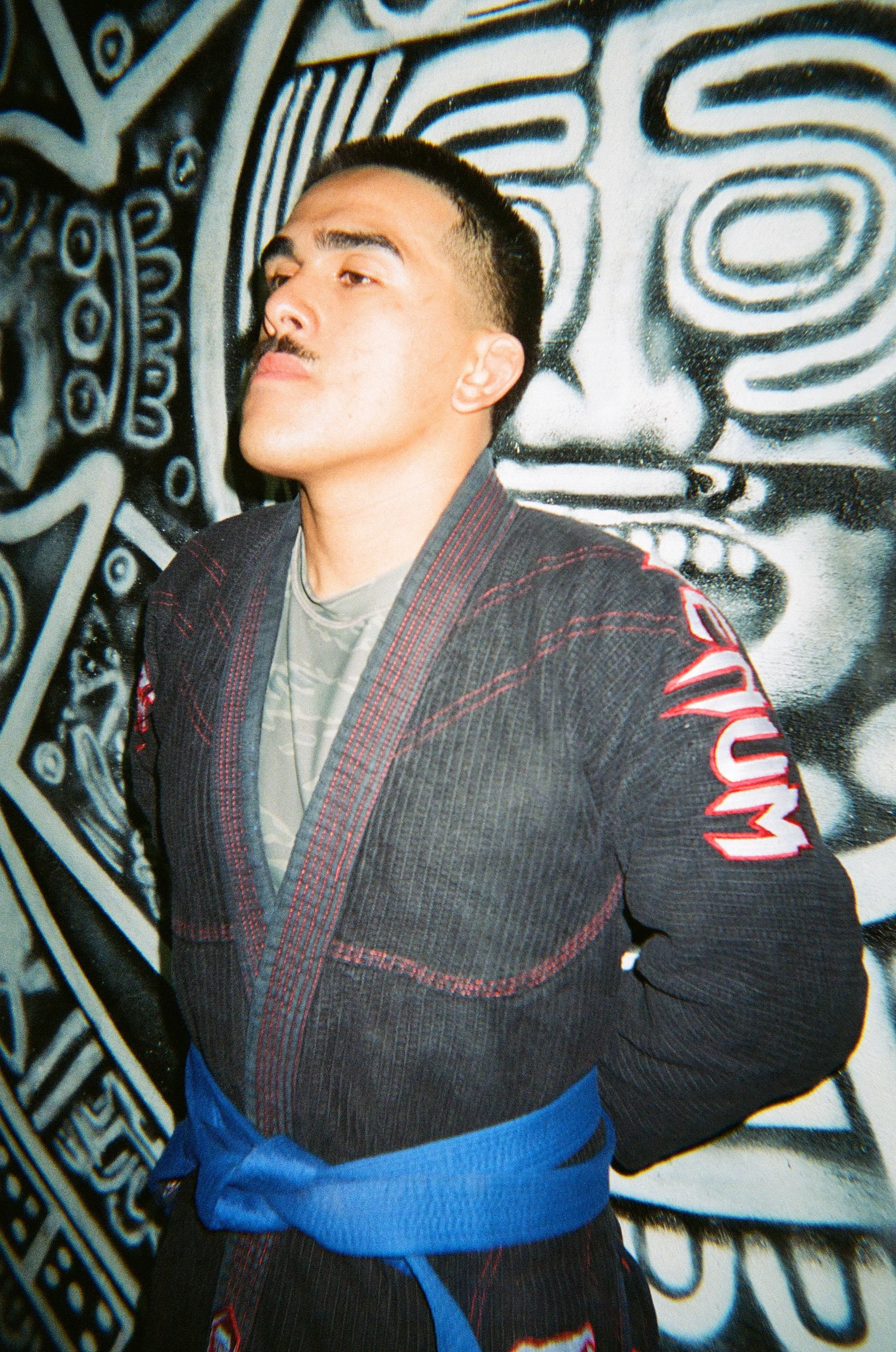
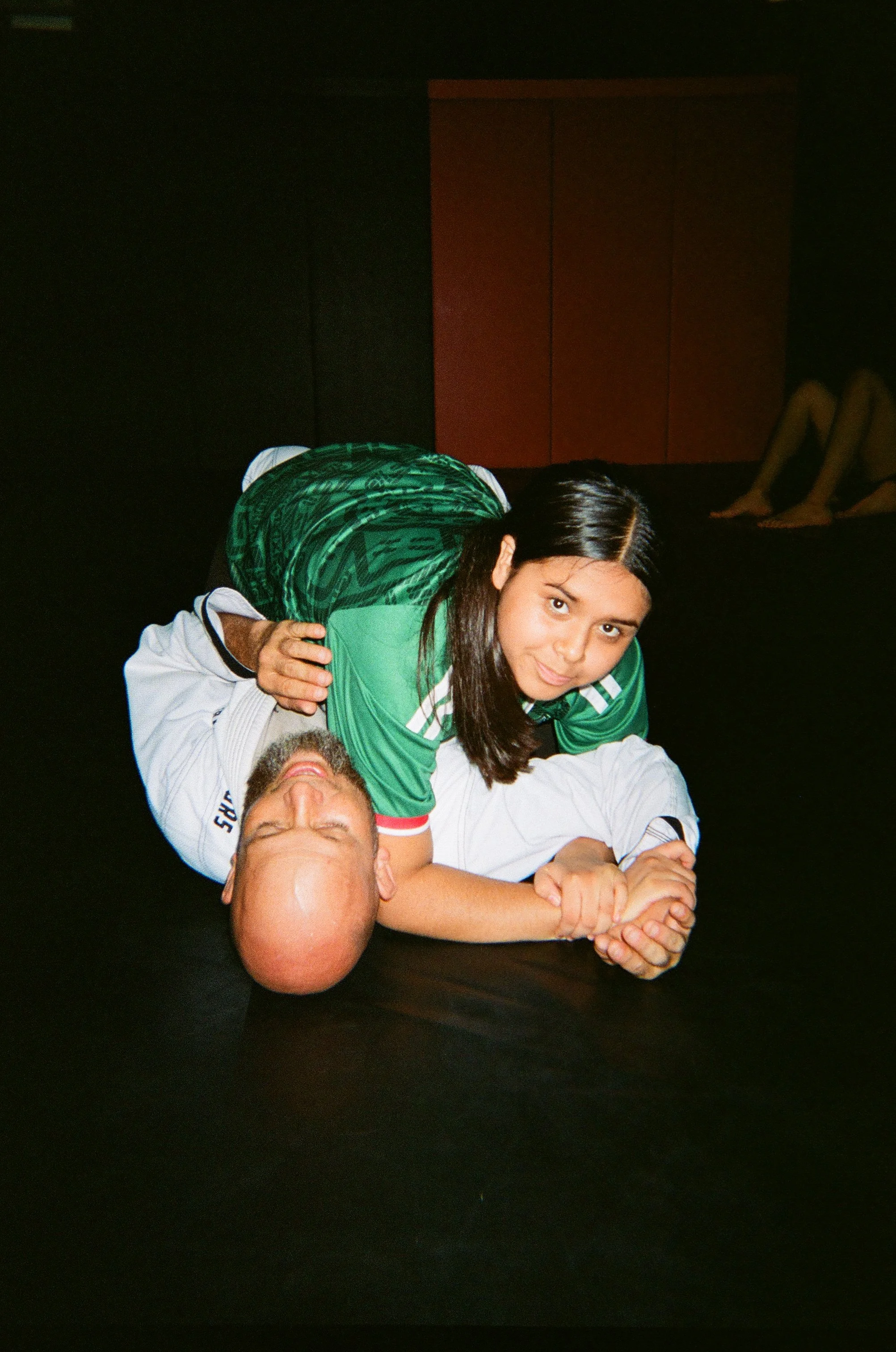

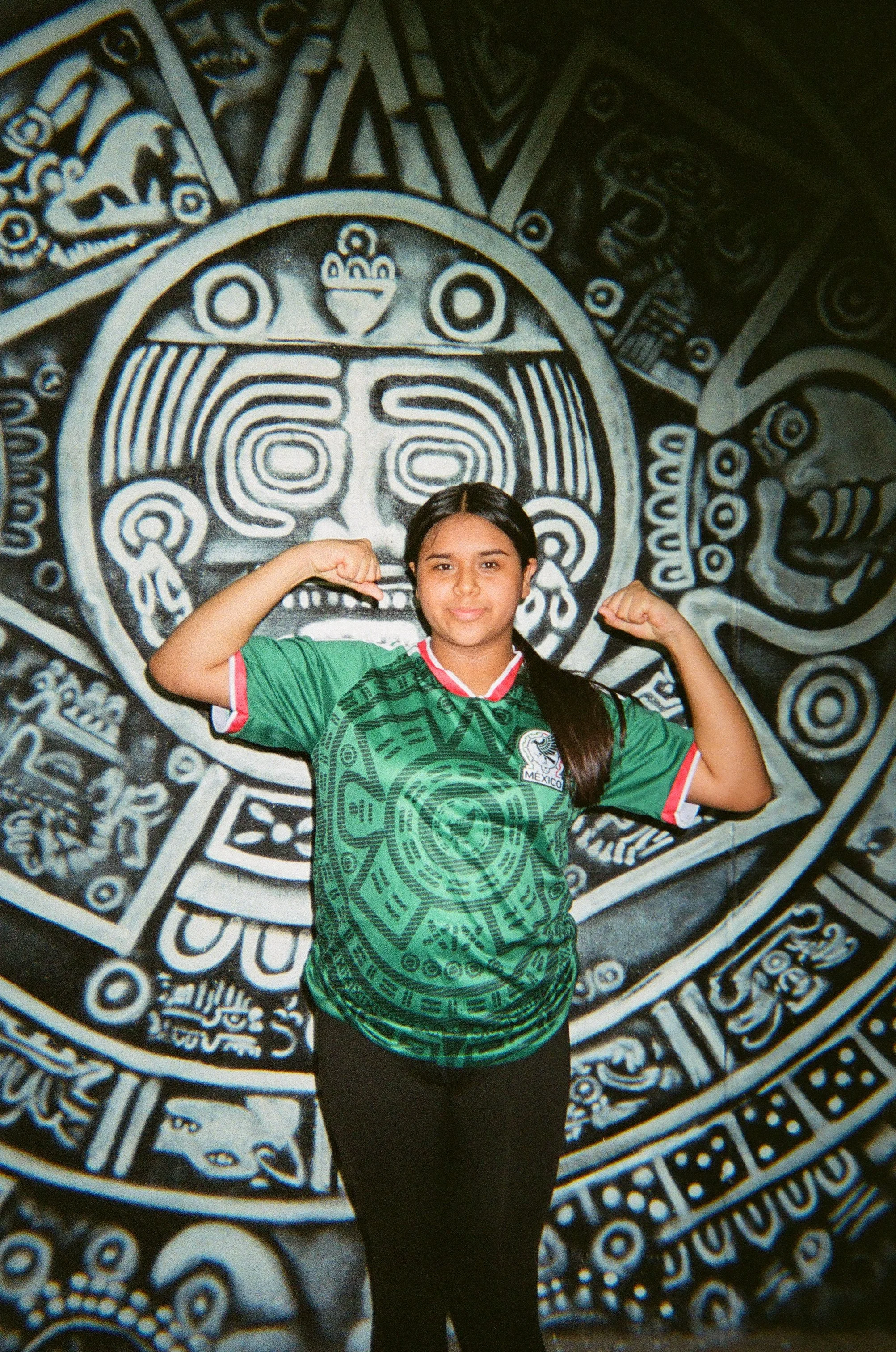
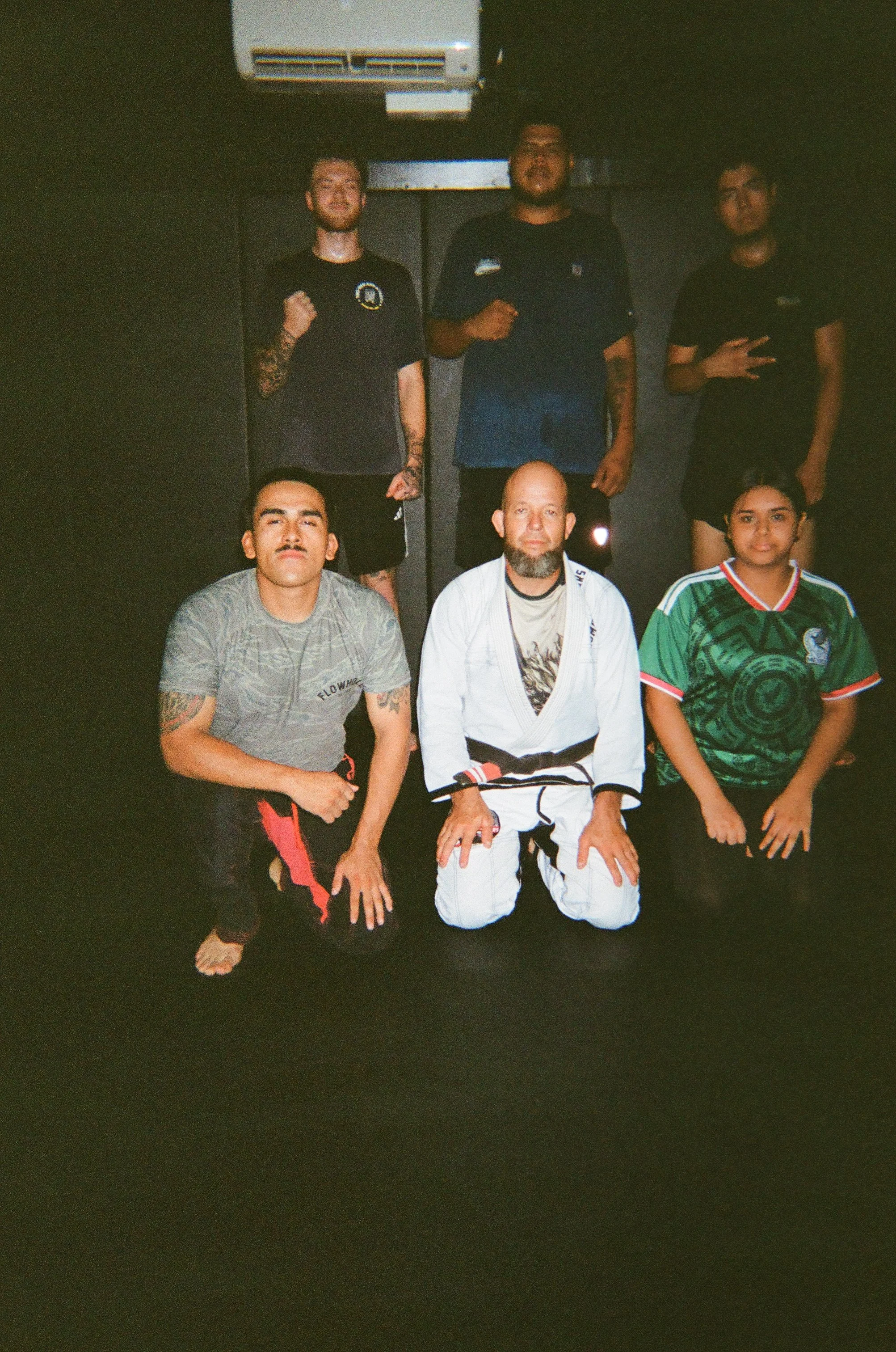
For a new brand launching from scratch, photography becomes part of how people learn the environment before they ever enter.
Combat Warriors needed a photo style that could sit alongside the logo, merchandise, social graphics, video treatments, and messaging without feeling like a separate language. The gym is rooted in combat sports, cultural influence, and the fabric of a community building something meaningful within a Hispanic neighborhood. A disposable camera guiding that documentary made sense in more ways than one. The familiar feel of film gave the photos an honest human touch that matched the imperfect, intentional atmosphere being built around it.
There is also a different kind of discipline that comes with shooting this way. A cellphone’s endless camera roll lets you collect everything and decide later. Film asks for a decision in the moment. You have to bring the camera on purpose, notice when the room is offering something worth saving, spend one of the 27 frames, and accept that you will not know what you captured until the roll is finished and developed. That delayed gratification became part of the creative rhythm. Martial arts works in a similar way. You choose to show up, drill, fail, adjust, repeat, and trust that something worthwhile is developing long before it reveals itself.
Over time, those photo negatives became a working archive for the brand. The archive started to hold the range of the gym itself: promotion ceremonies, members building the cage, gi and no-gi classes, boxing sparring, high-flying karate kicks, kids learning how to move with confidence, coaches teaching from the edge of the mat, first merchandise drops, and grand opening moments where the room finally filled with familiar faces ready to celebrate what came next. The storytelling opportunities kept expanding as each roll was sent to one of the remaining local film labs for development and came back with its own final artistic touch.
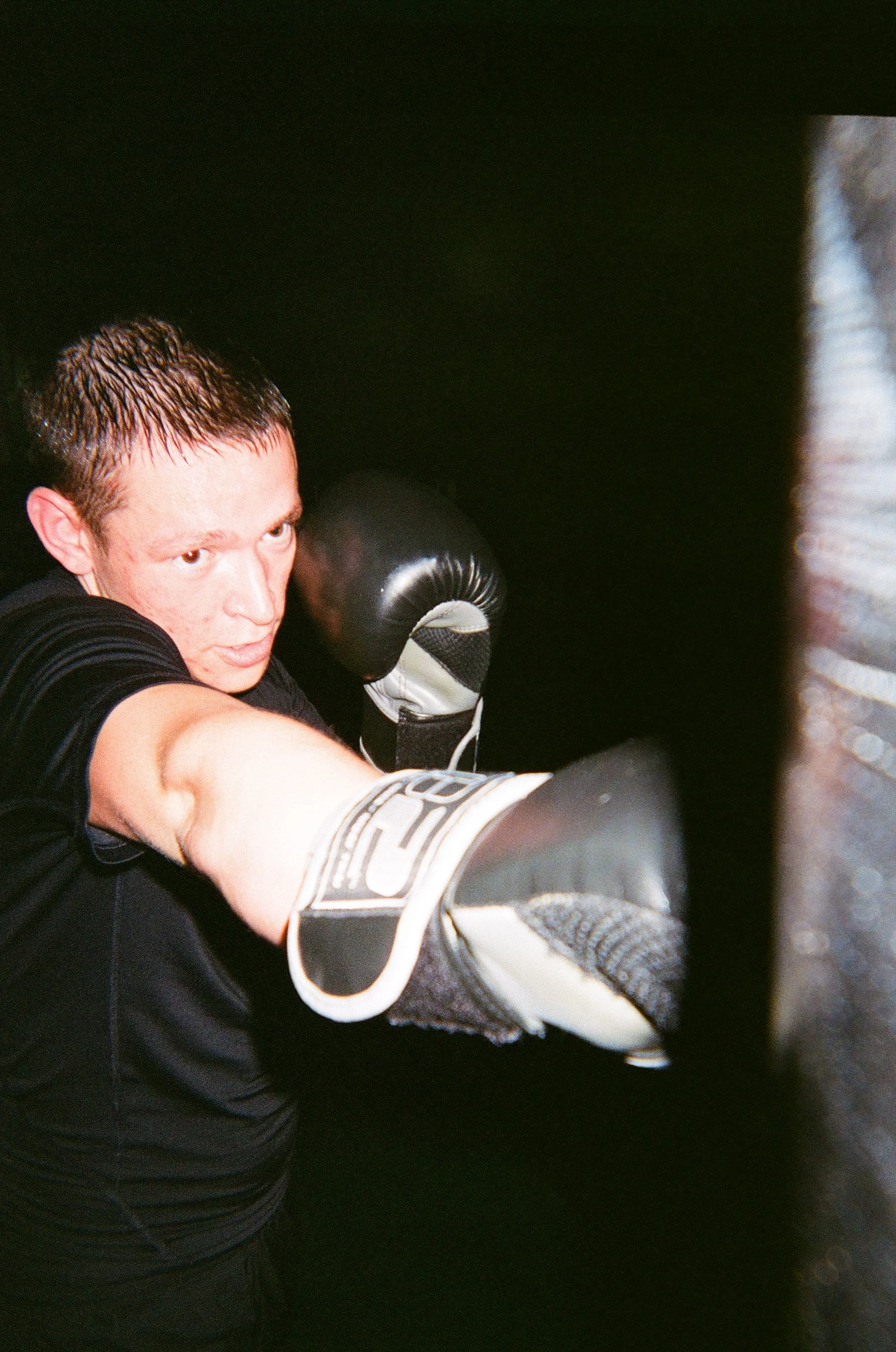
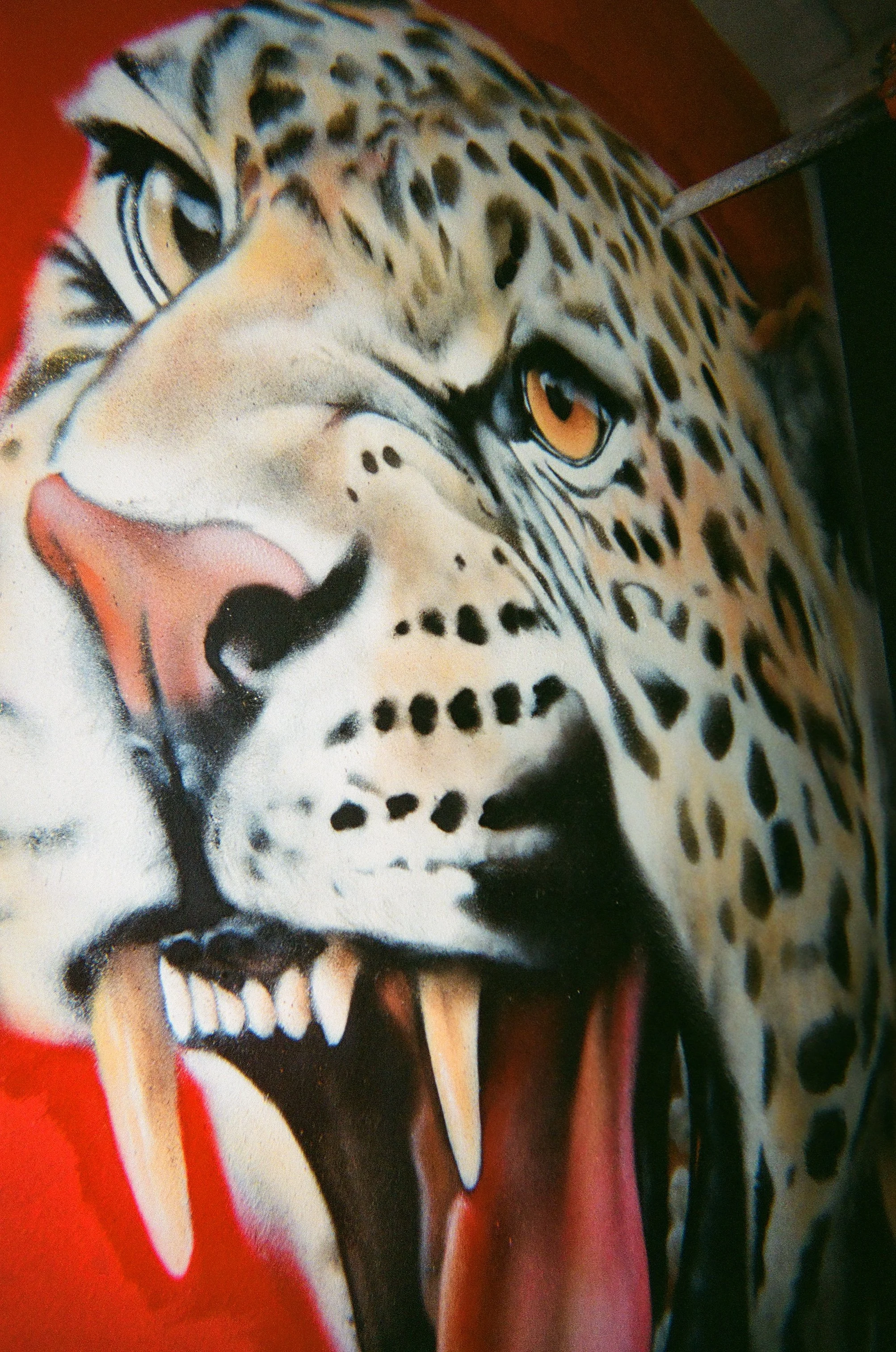
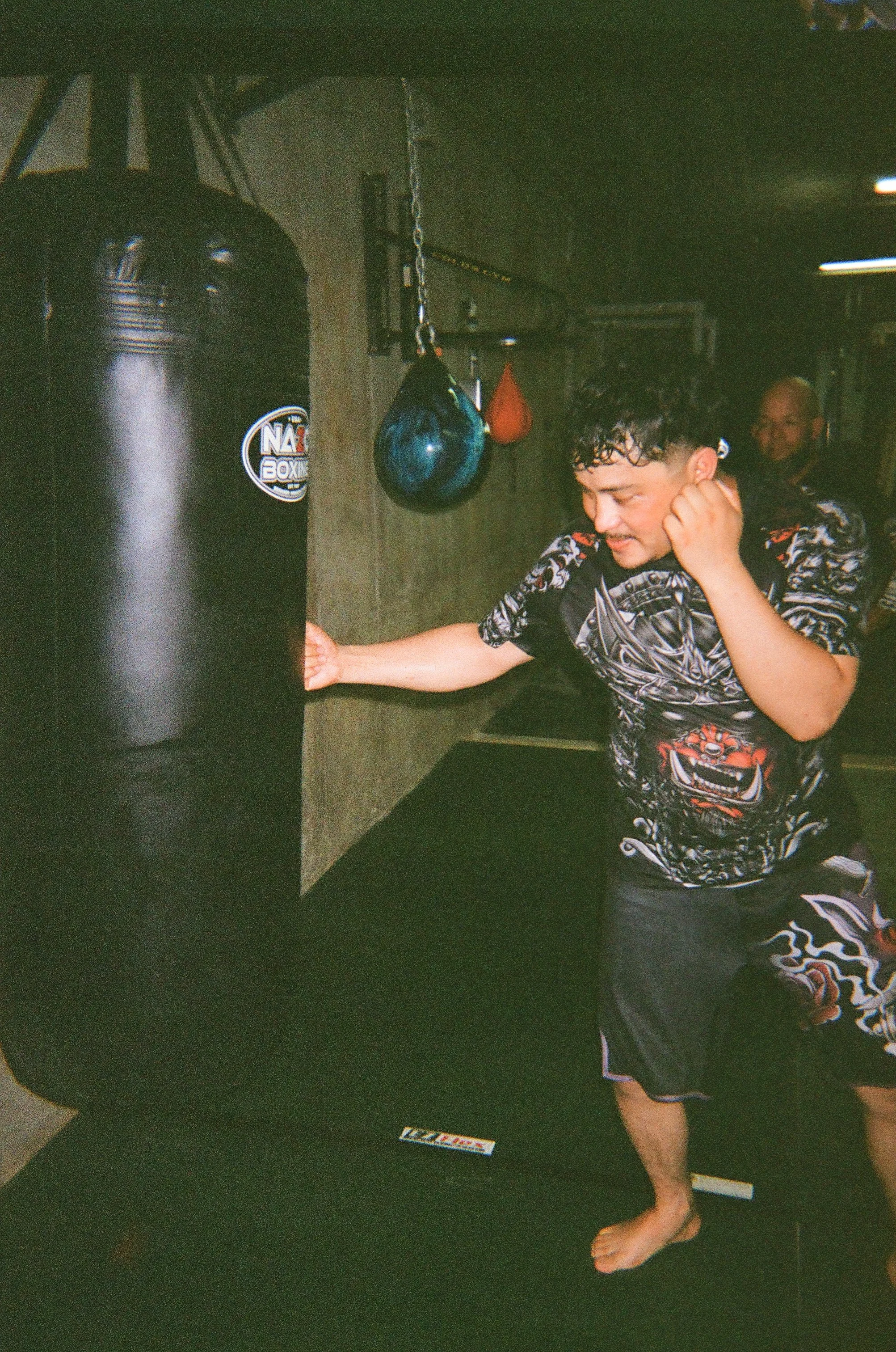
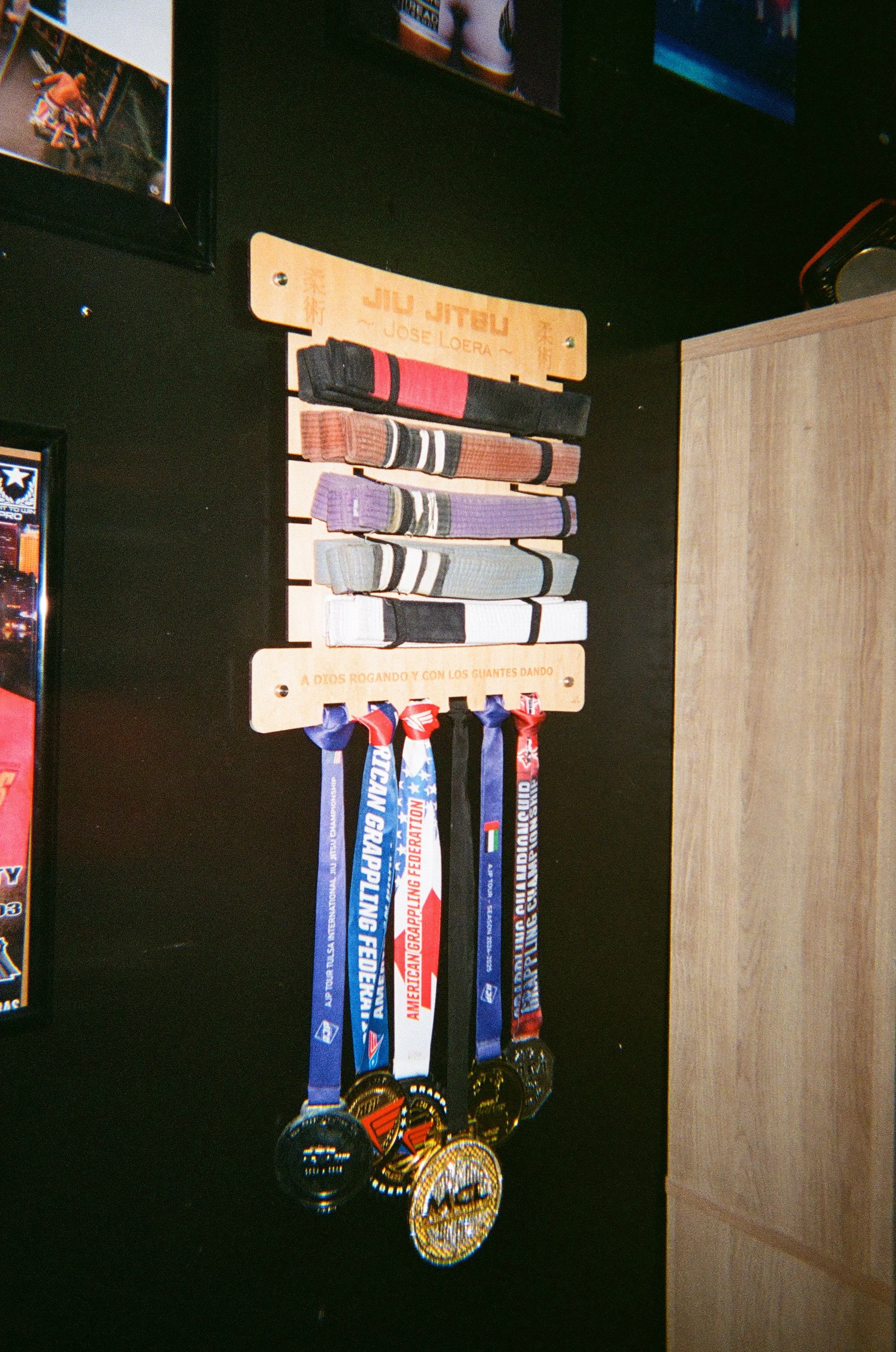
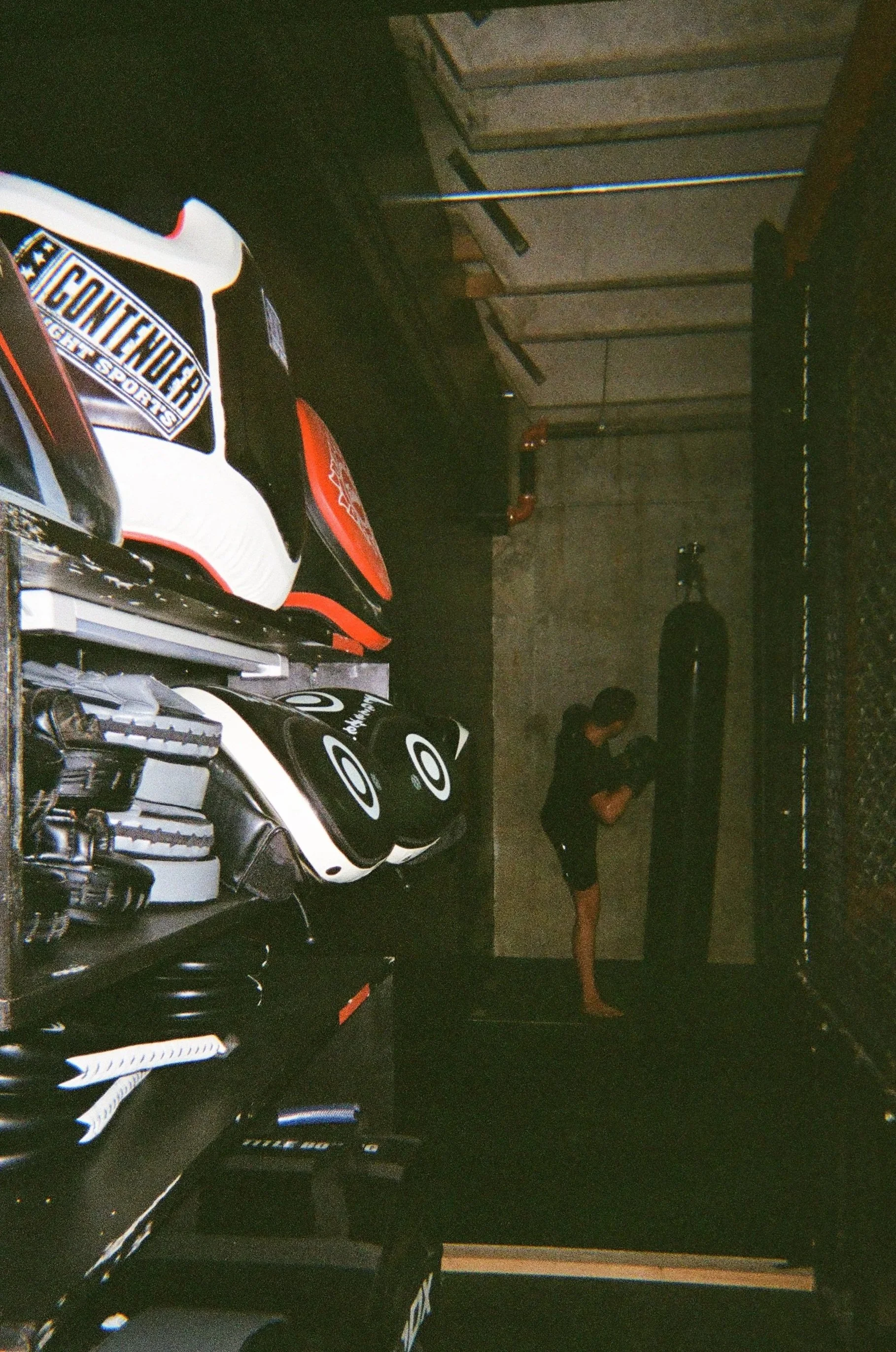
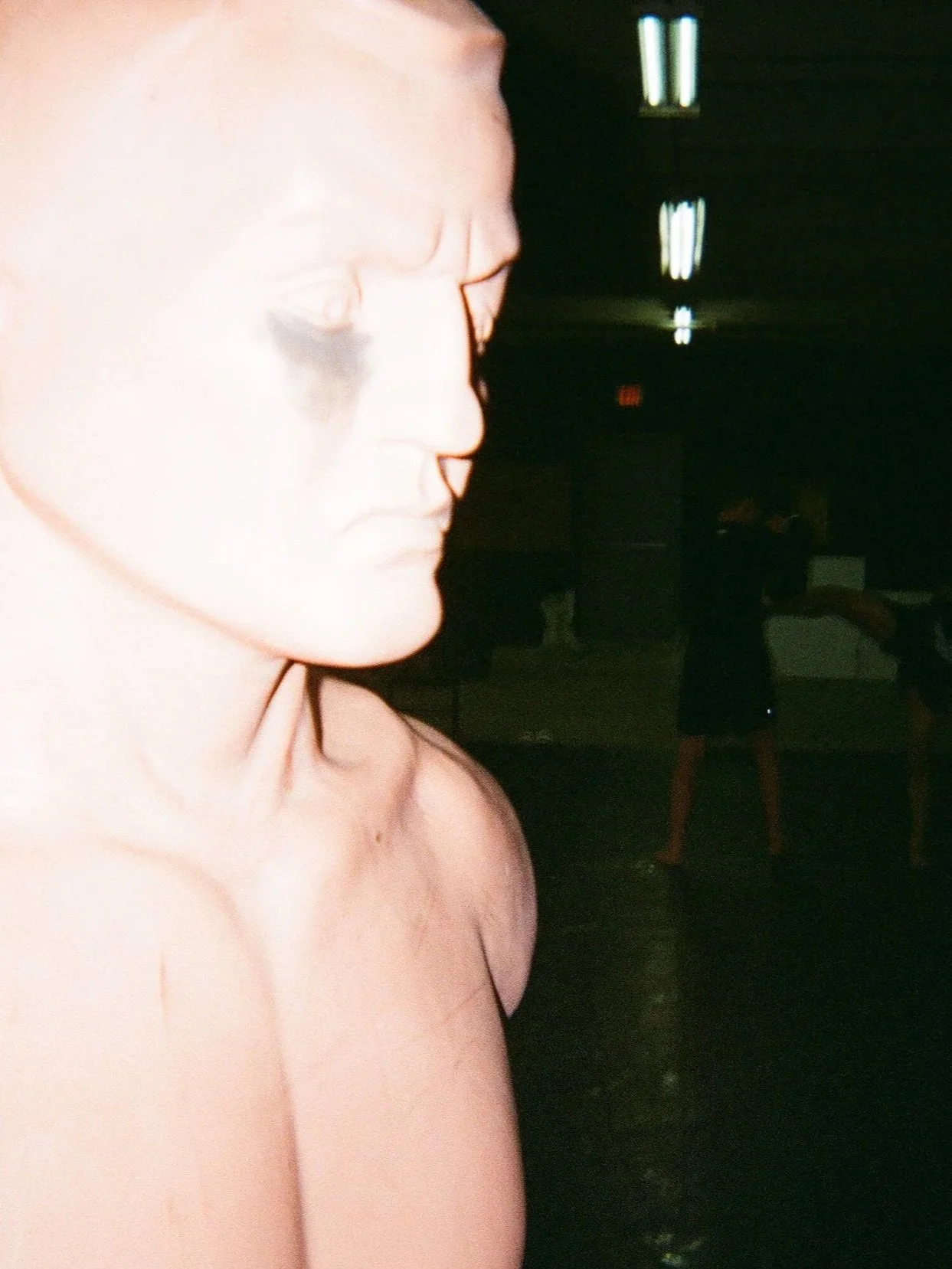
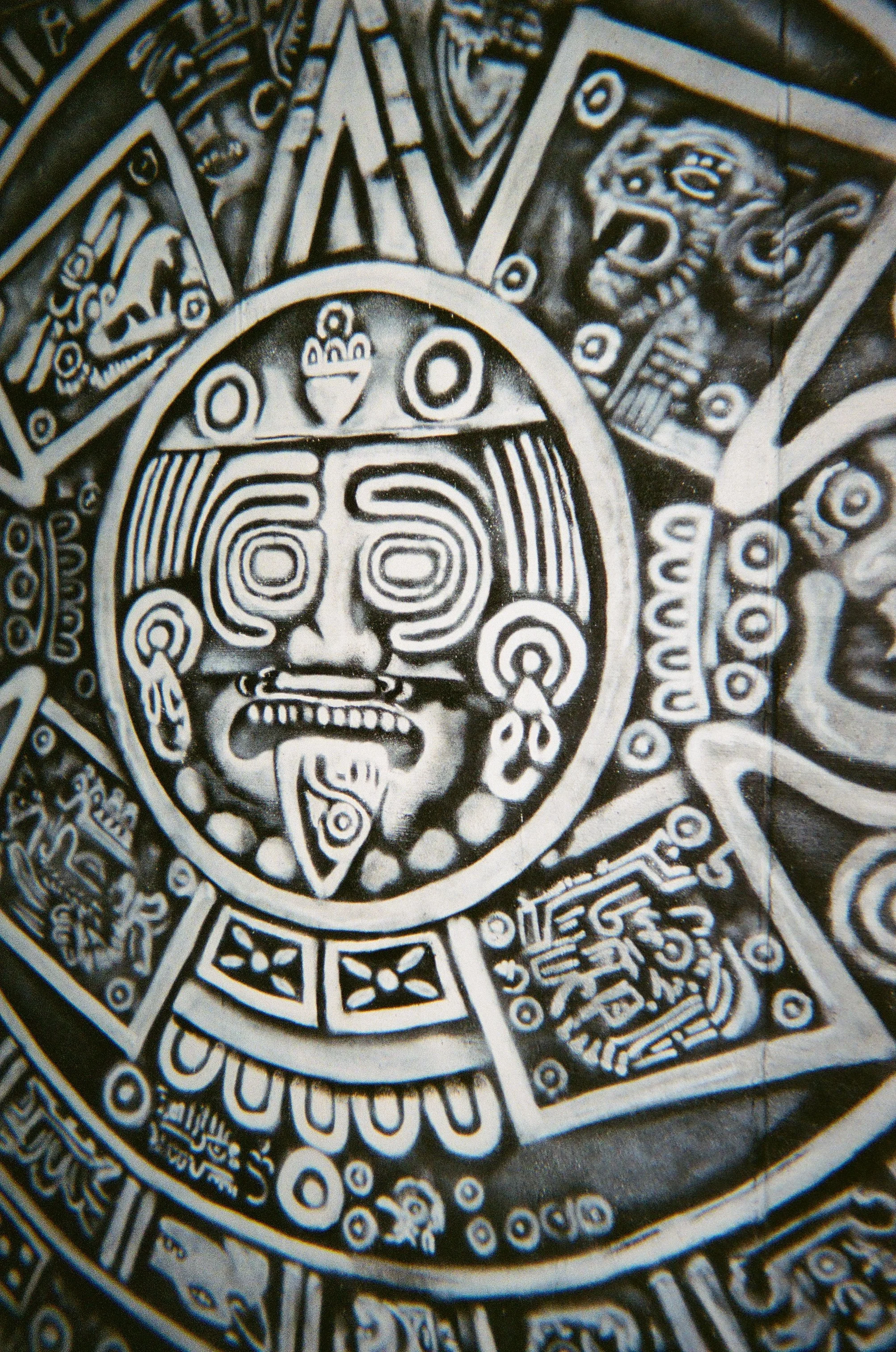
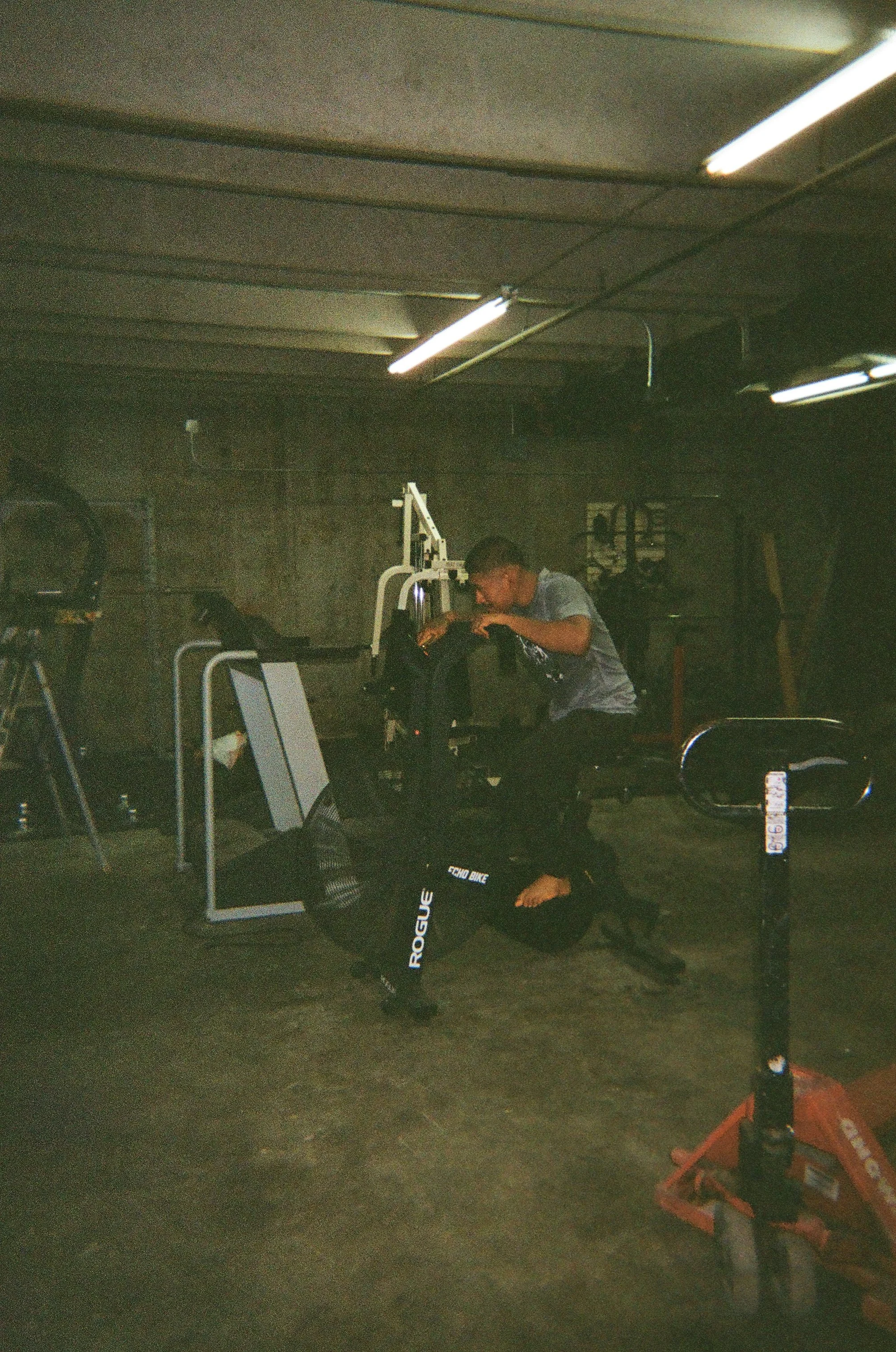
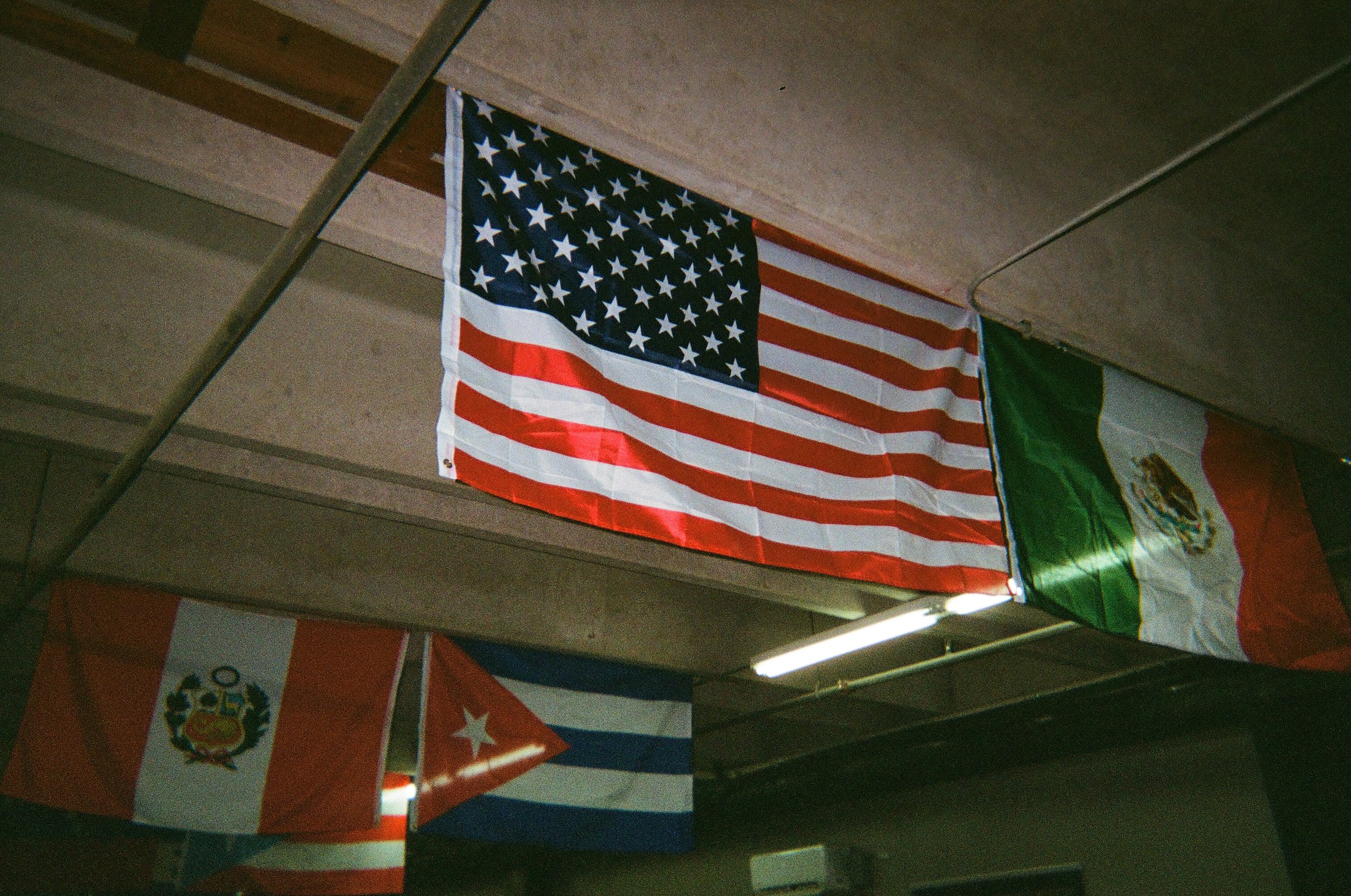
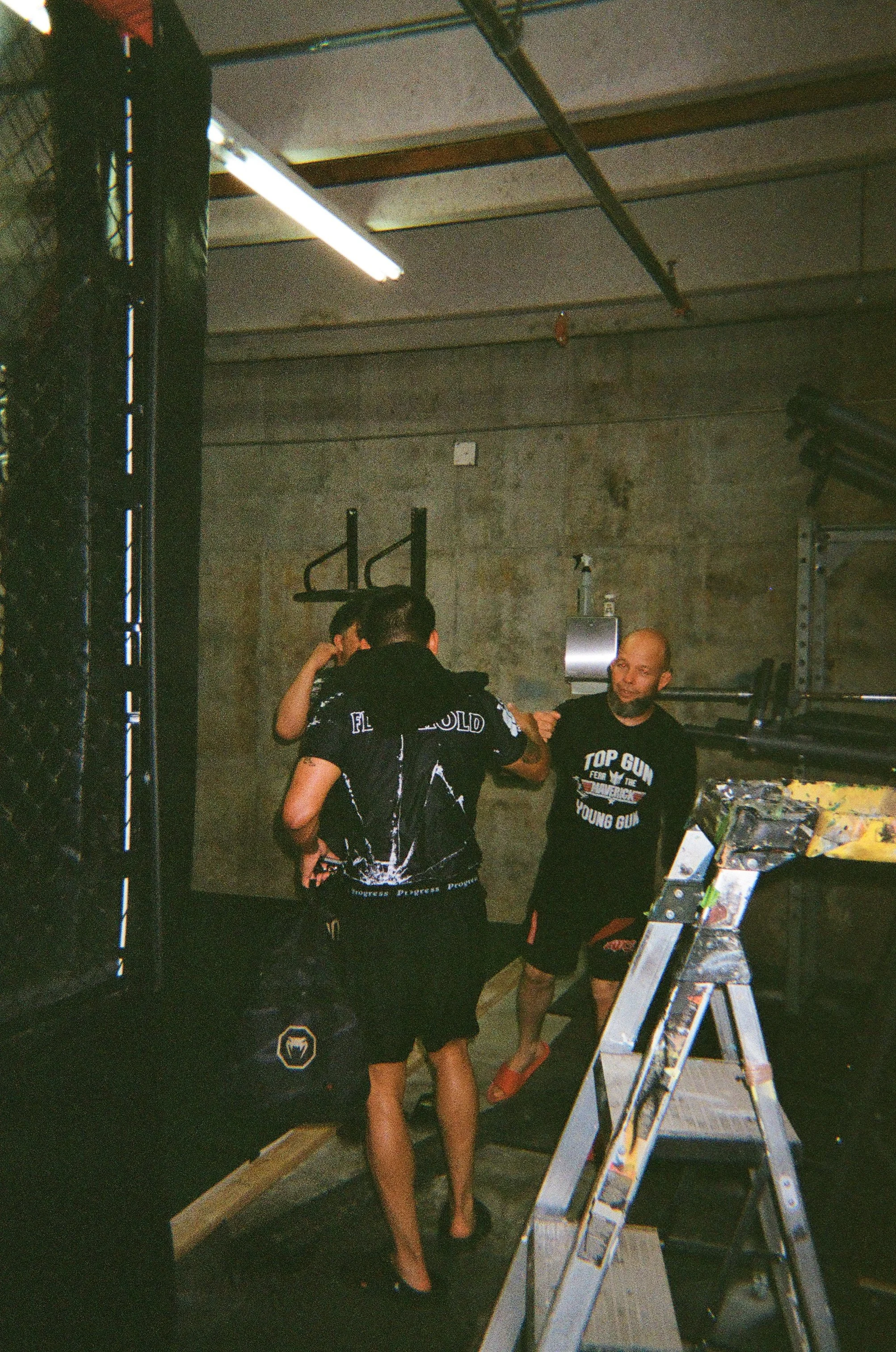
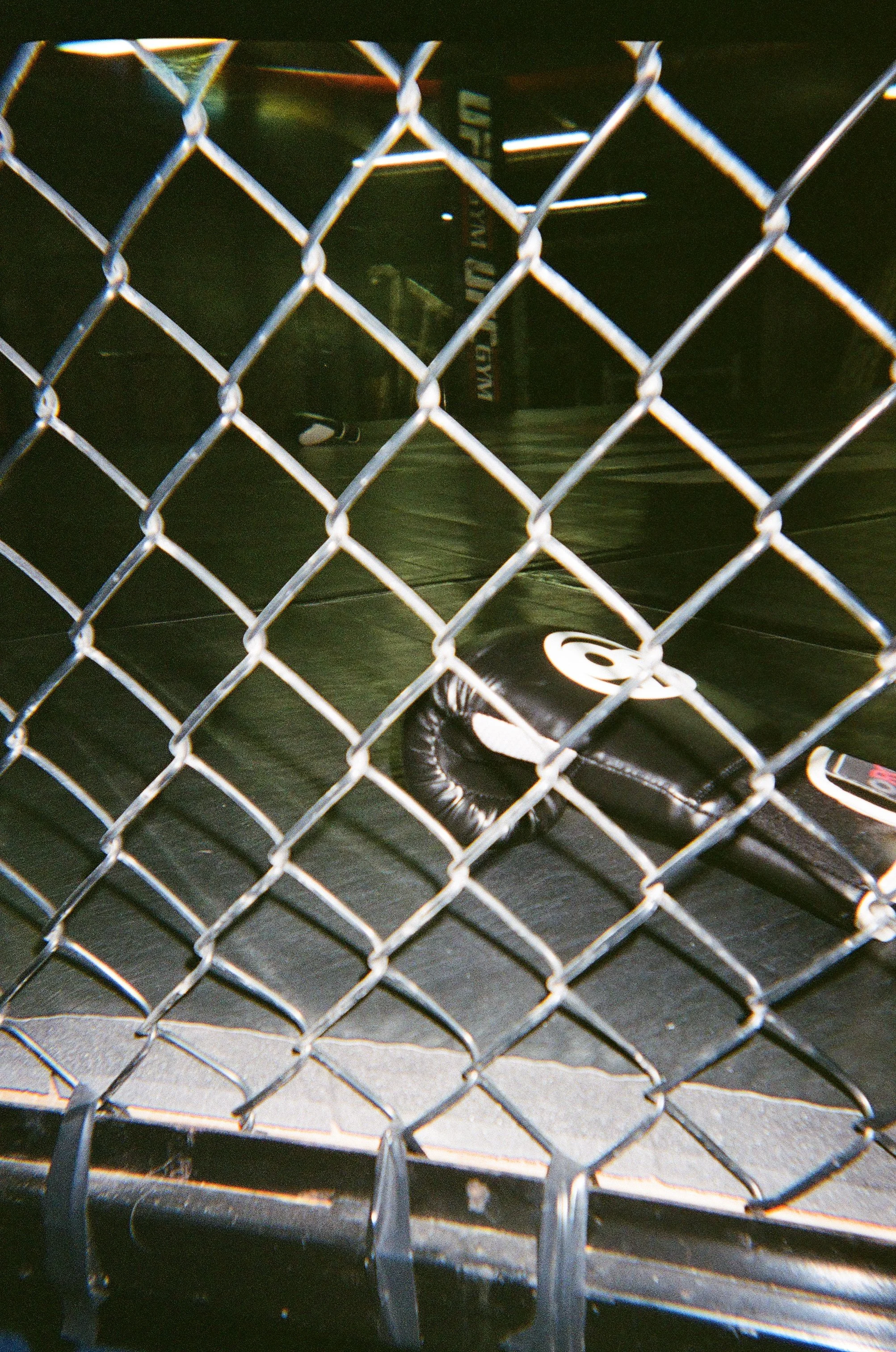
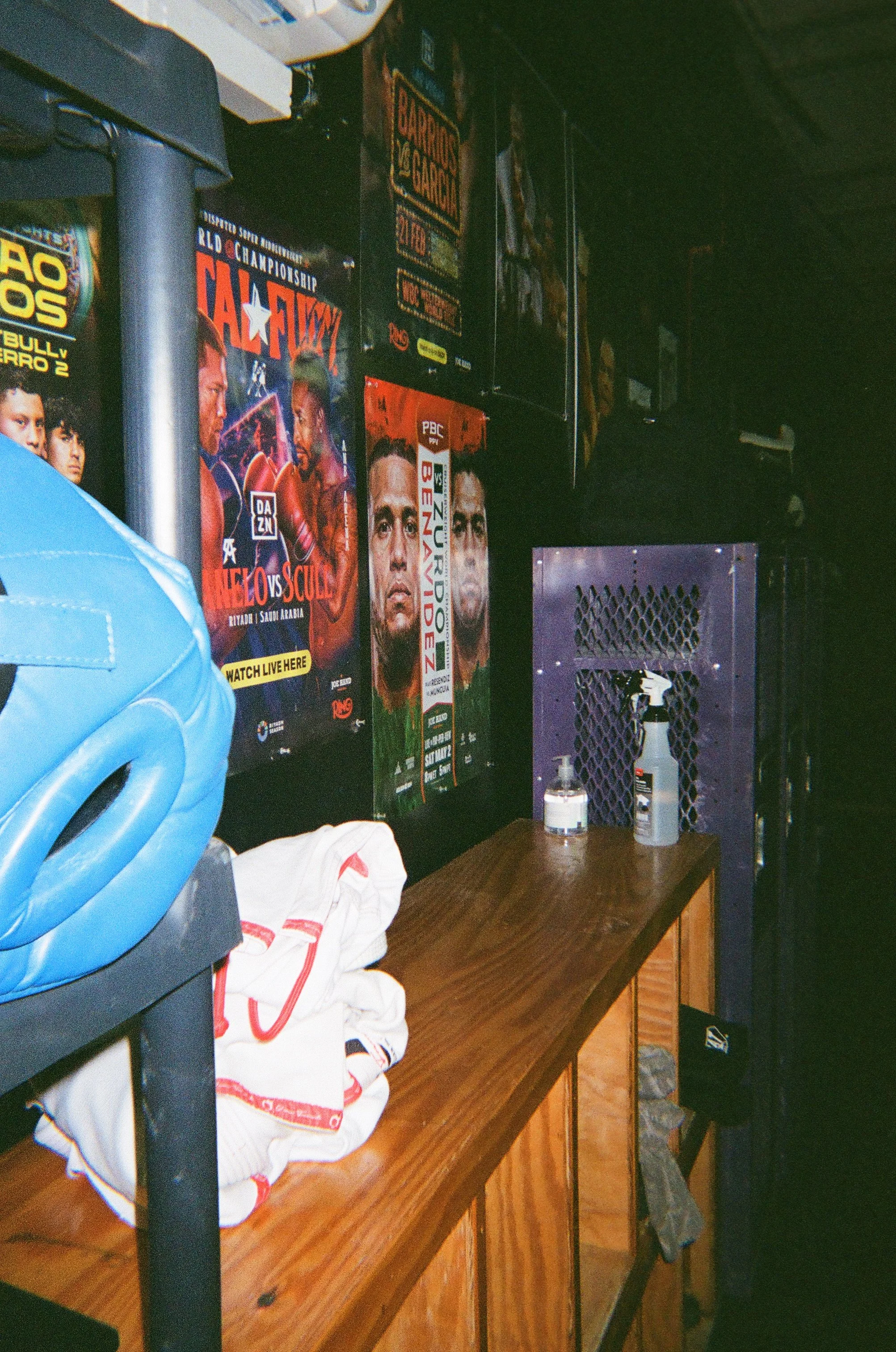
A strong photo repository provides more potential to tell stories over time. I’ve learned this lesson through experience with other brands. One image can support a caption about discipline in September, a carousel about community in October, or a throwback about the early build months later. A promotion flick can become a story about confidence. A candid cage-build picture can become a story about ownership. A quiet portrait between rounds can say more about belonging than a designed graphic ever could. These evergreen assets are only limited by the creativity of the story attached to them. When an established library is built with intention, the social strategy always has somewhere true to return.
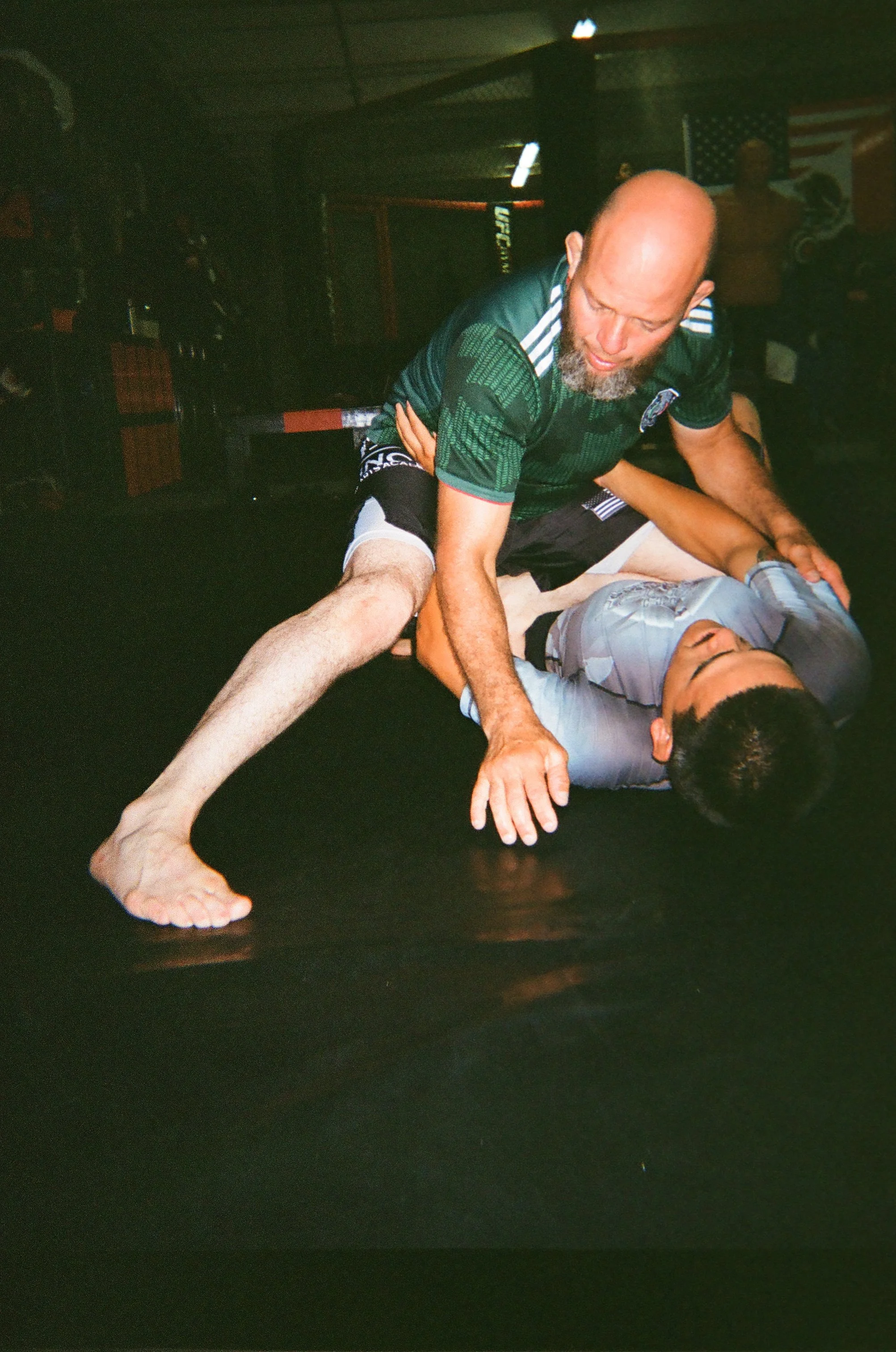
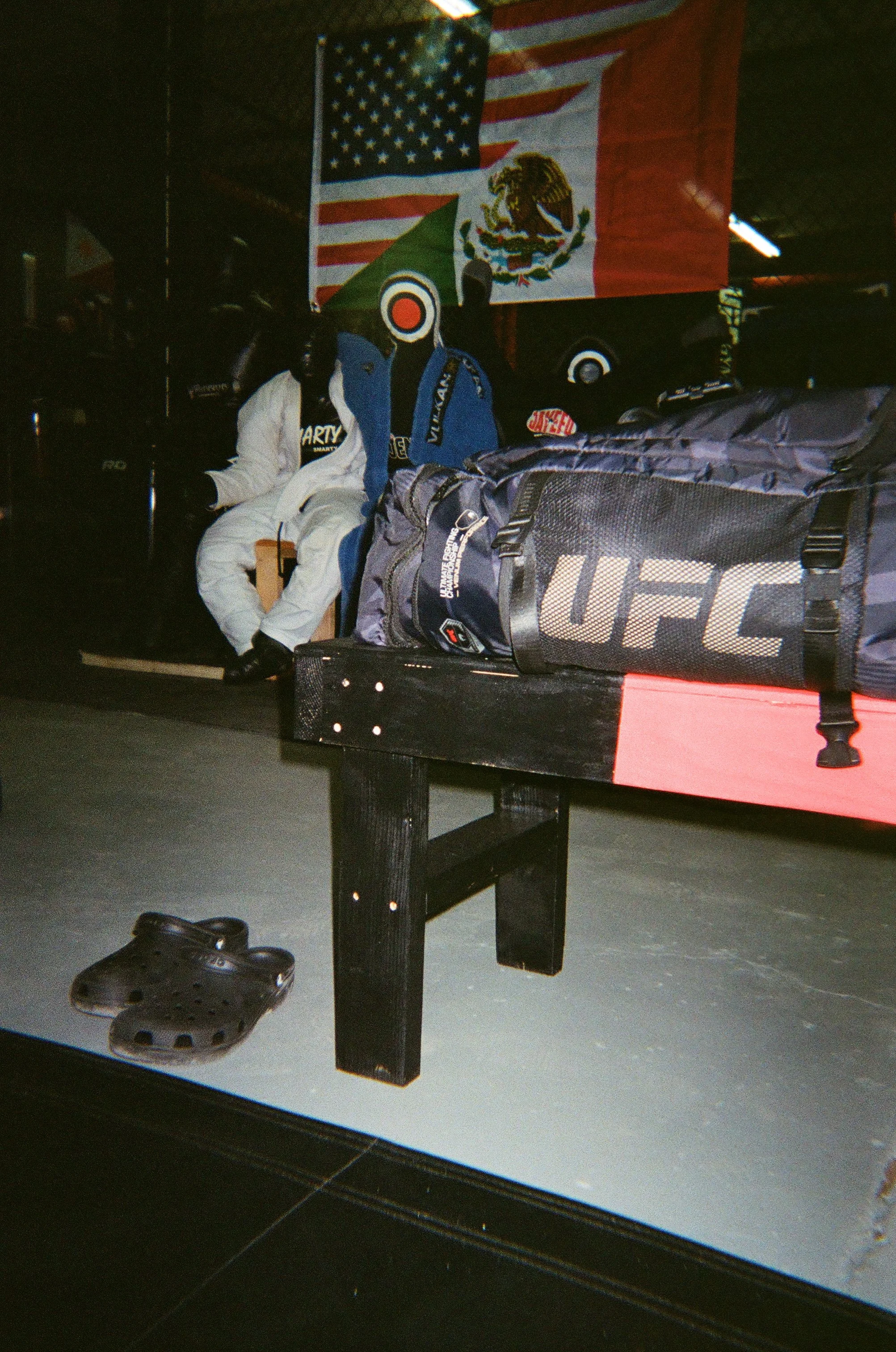
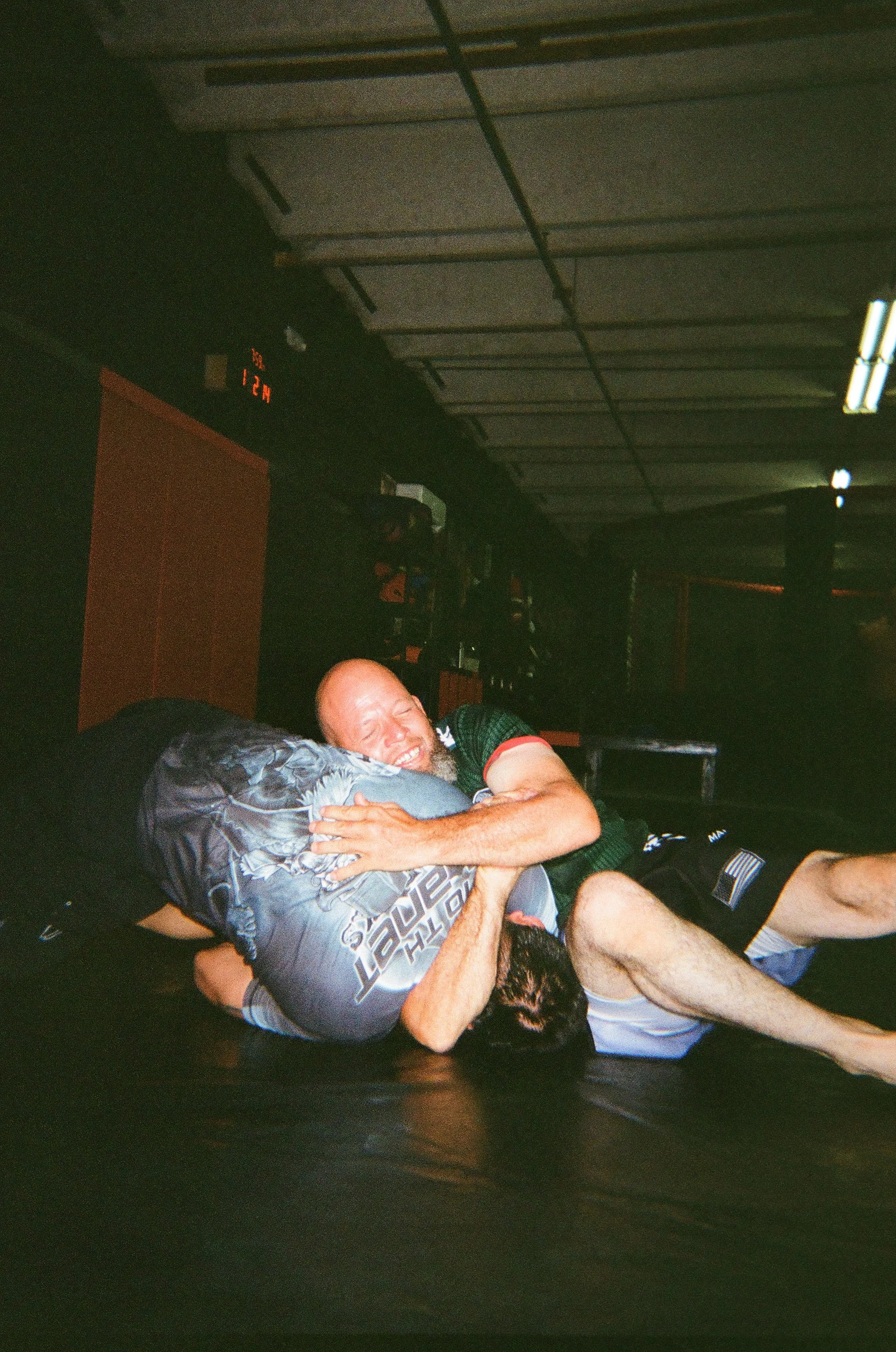
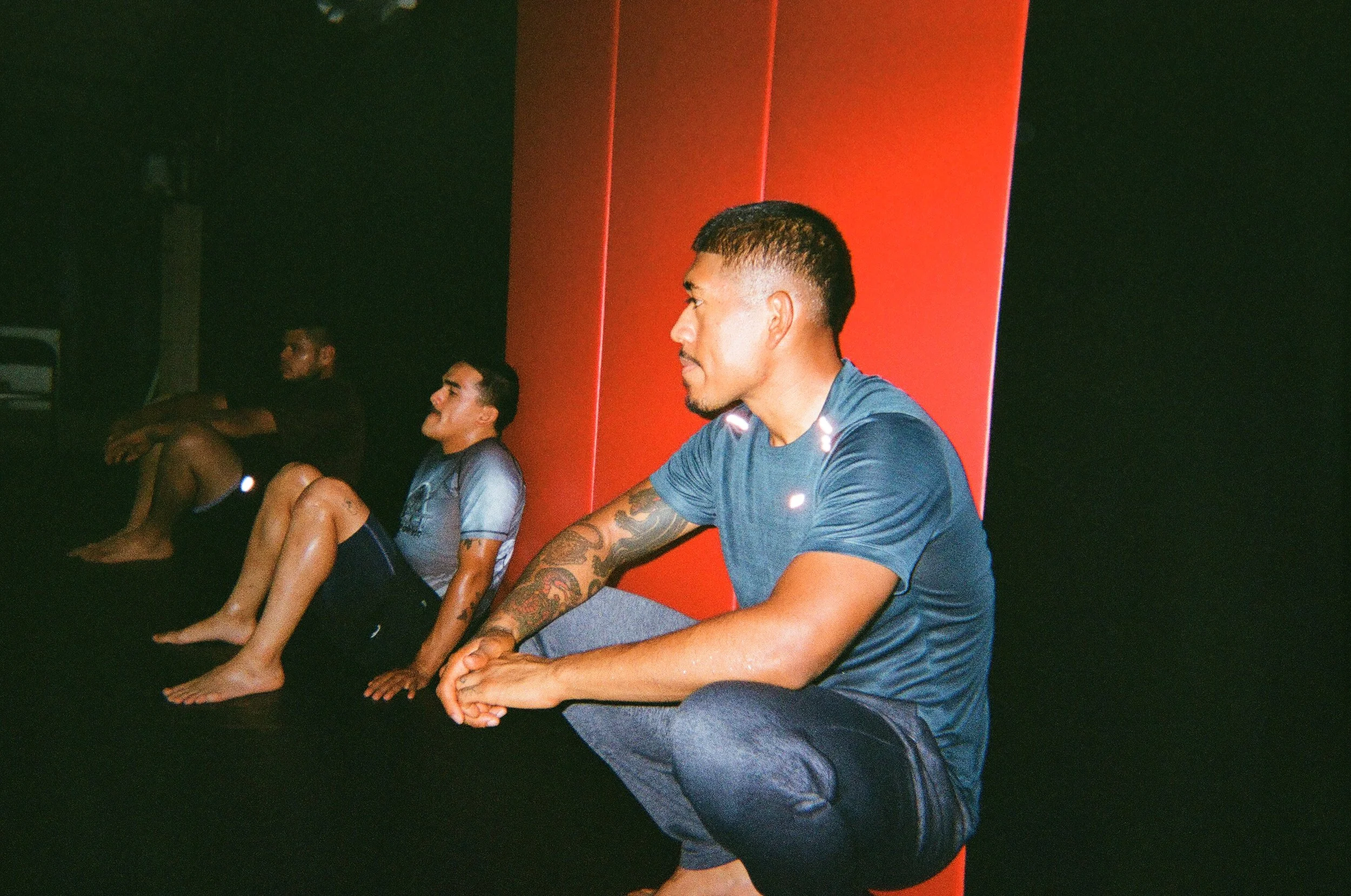
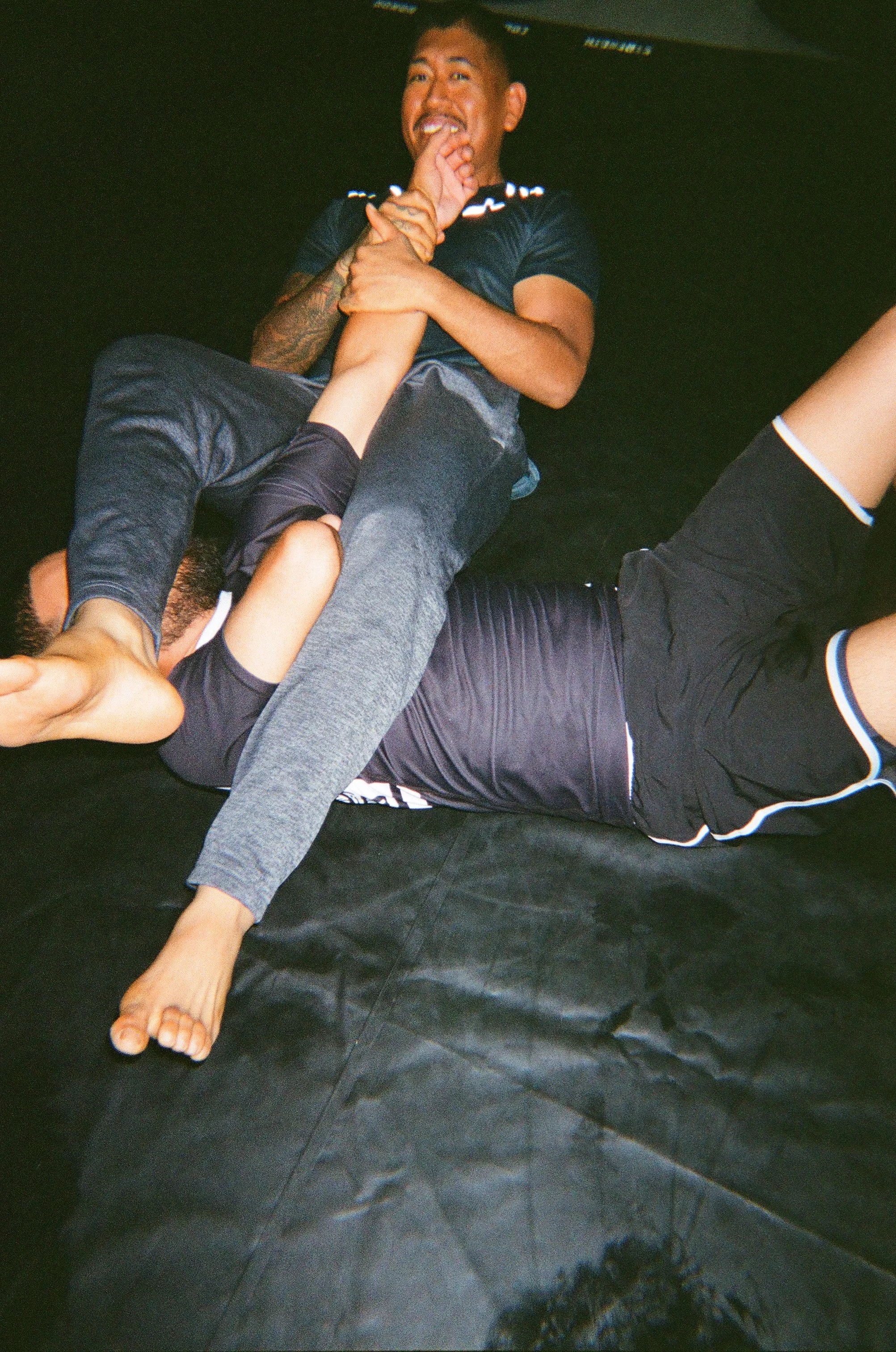
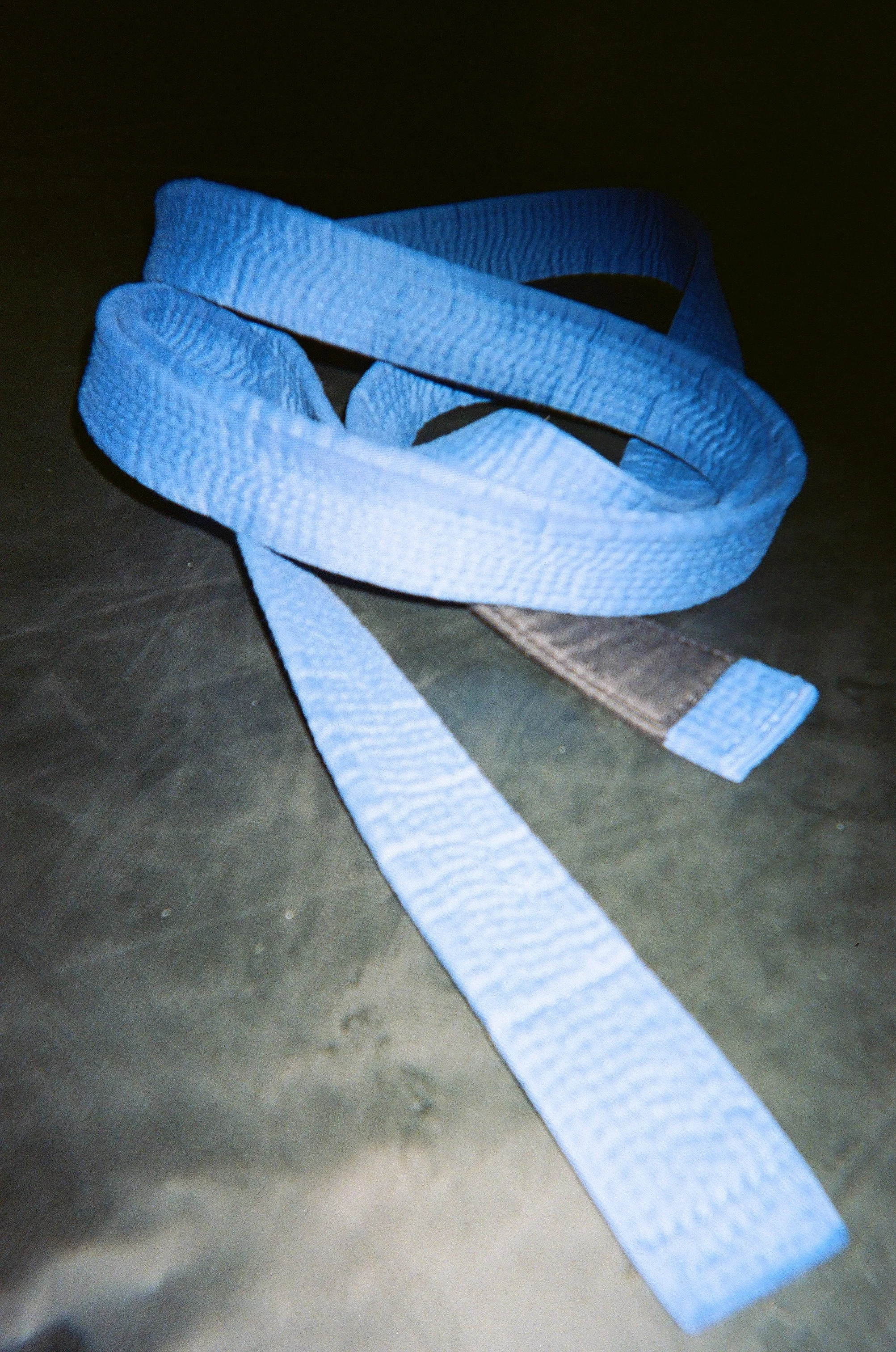
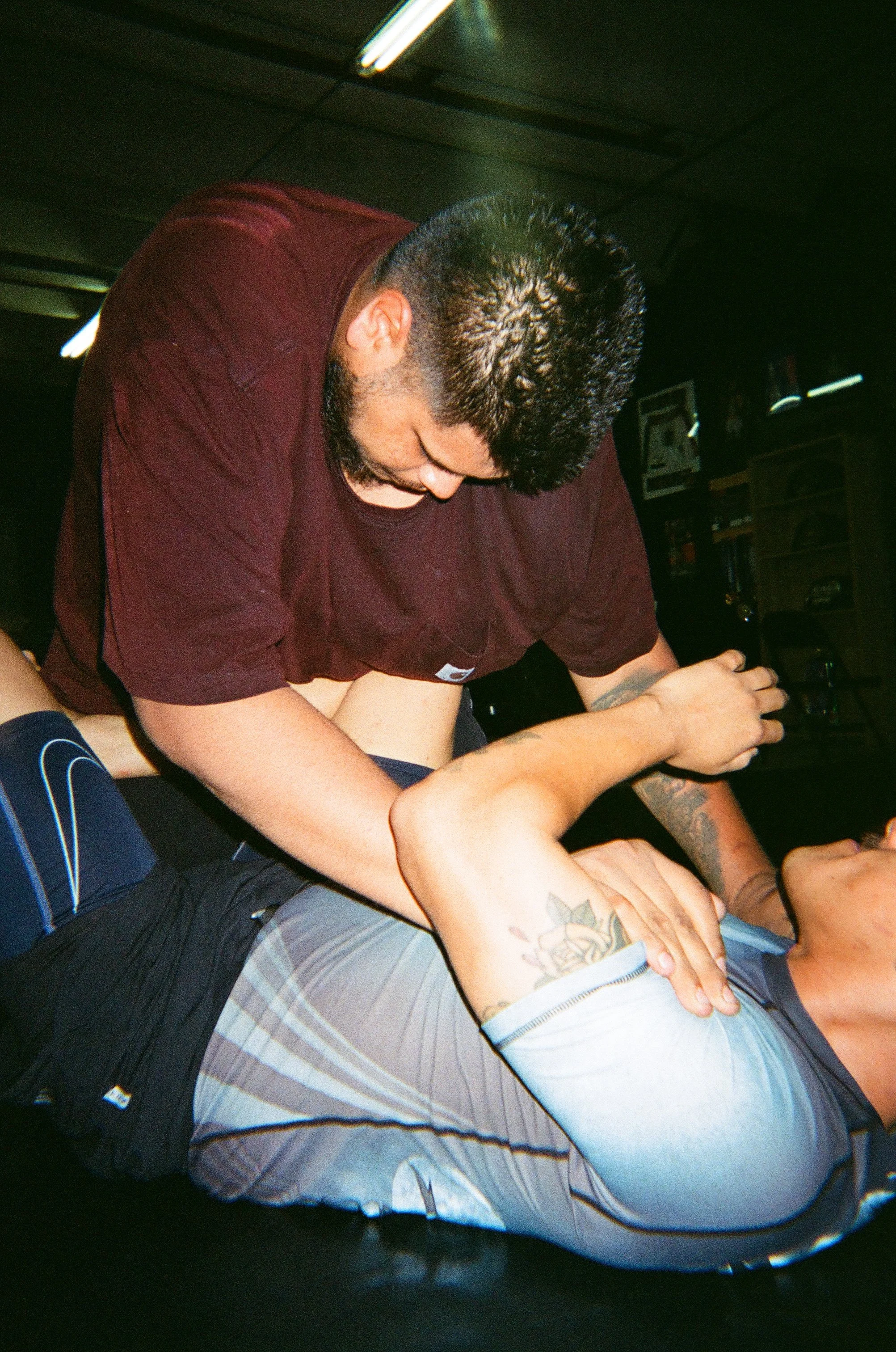
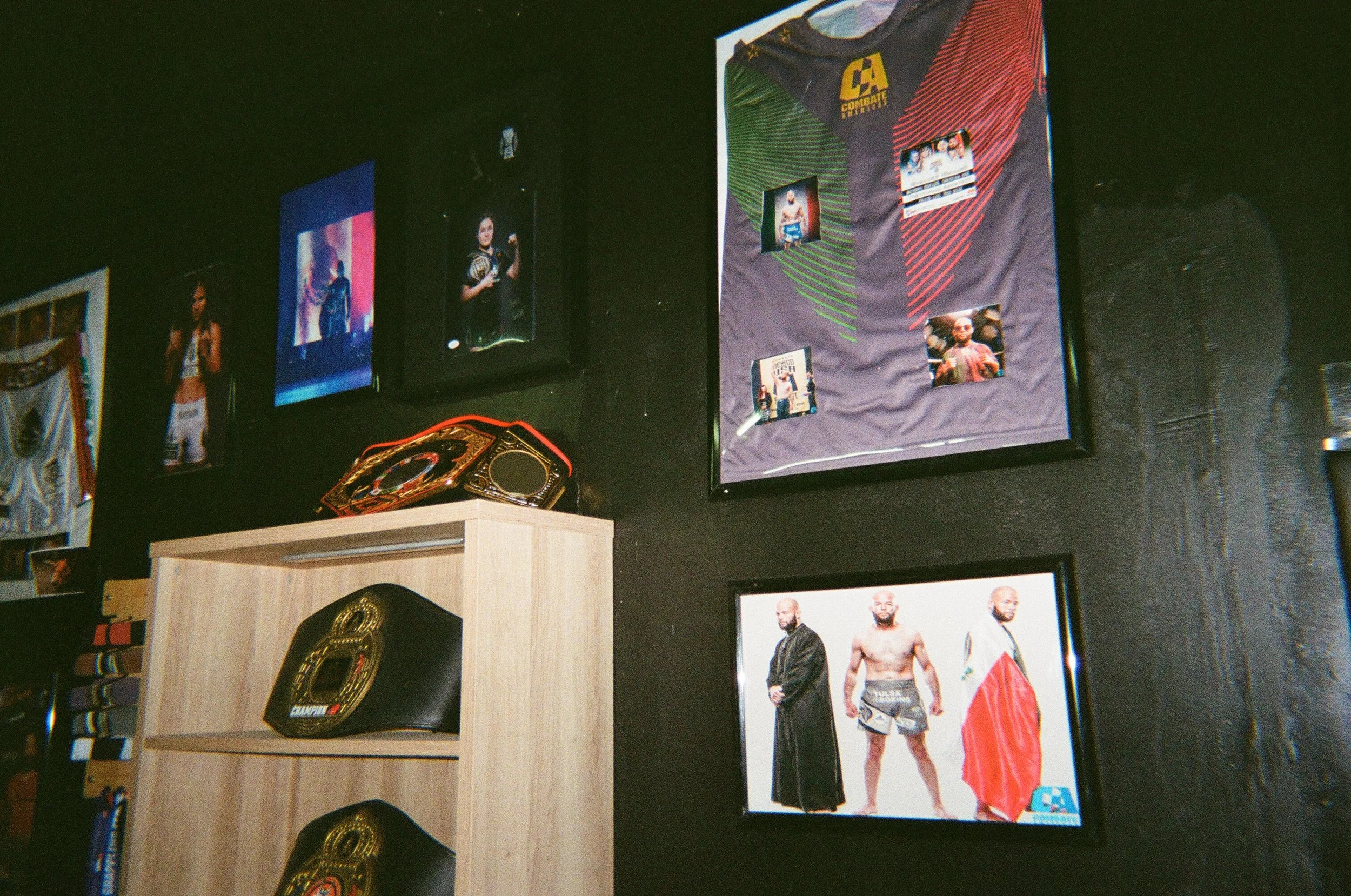
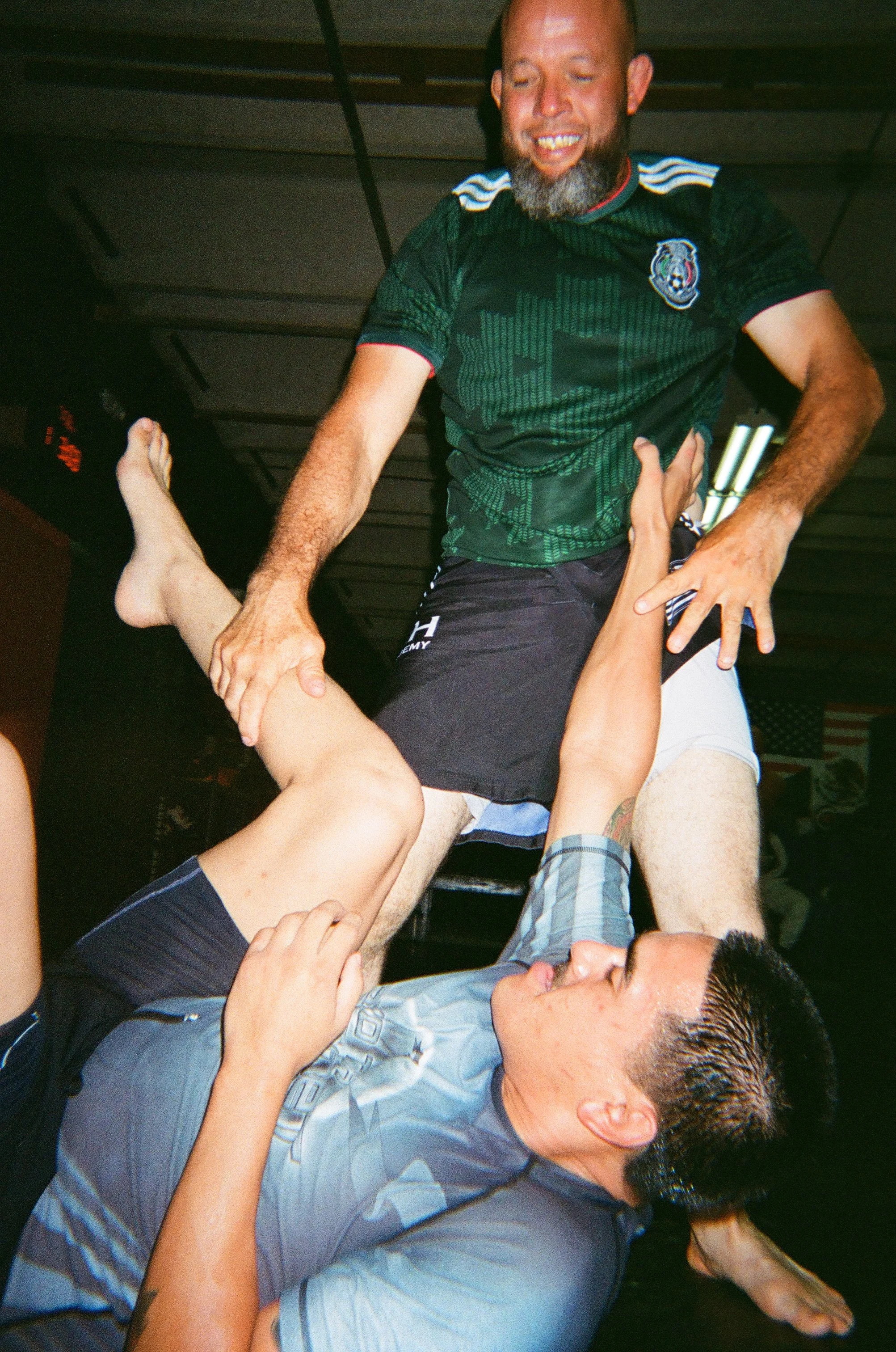
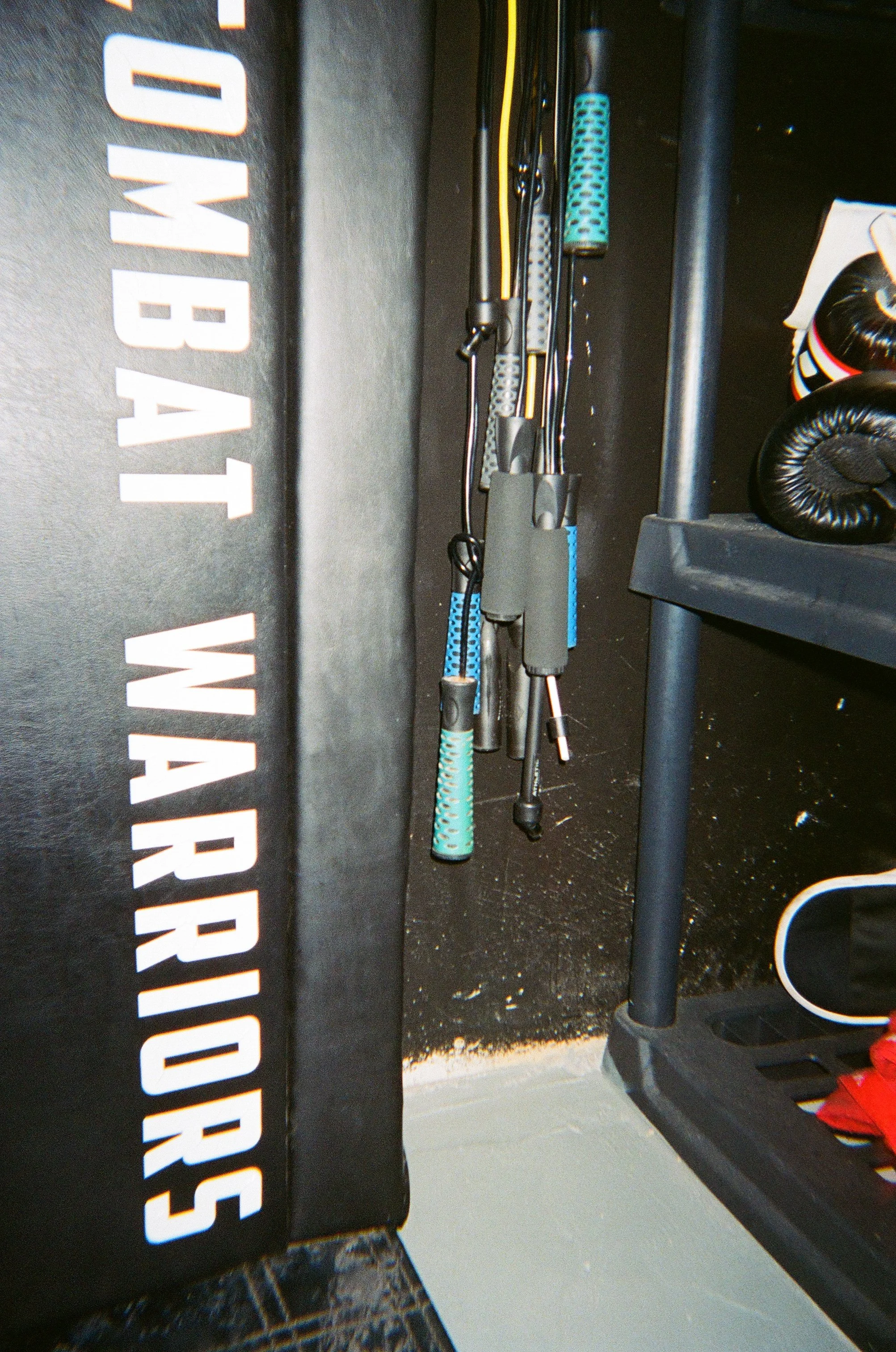
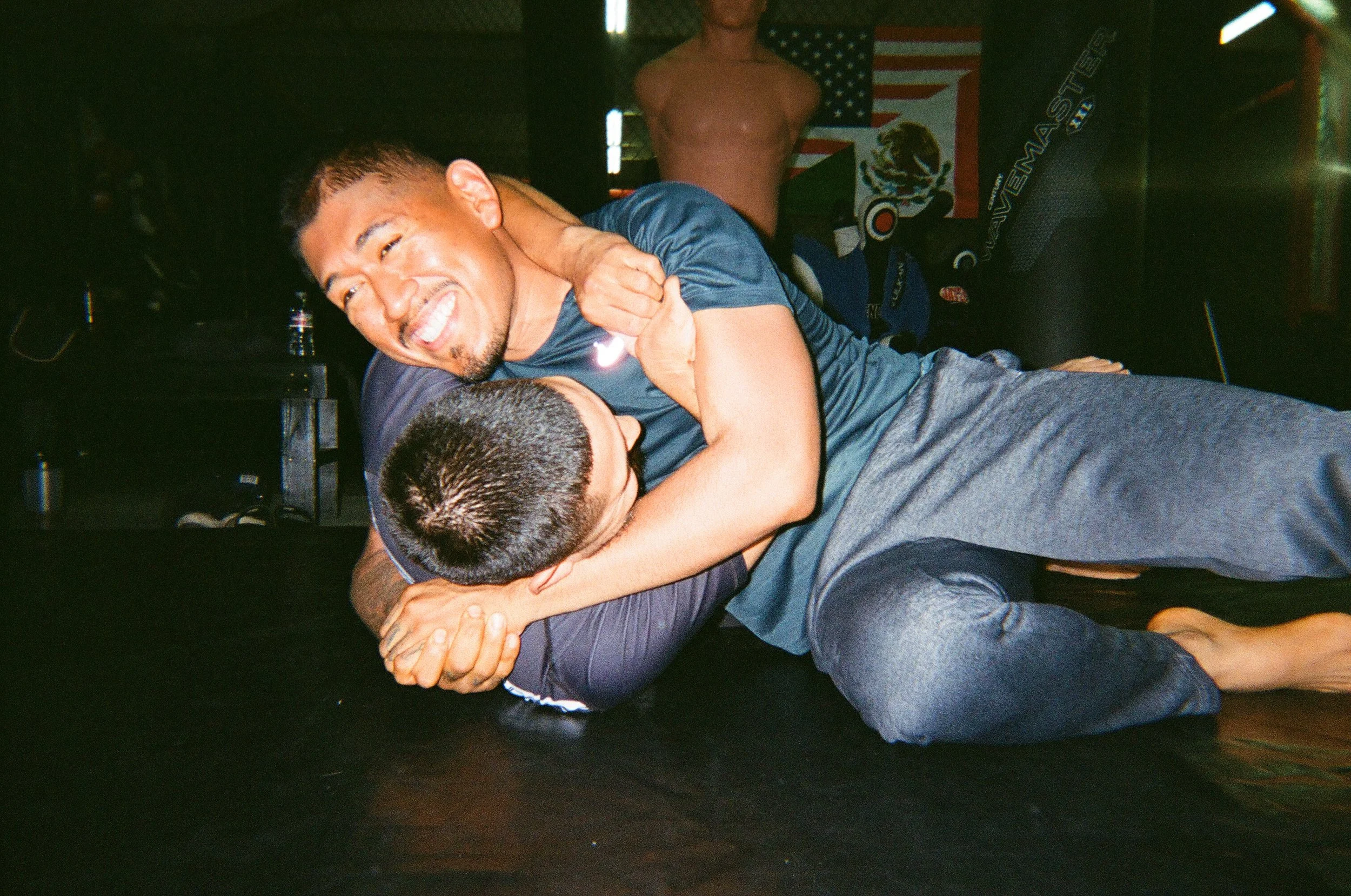
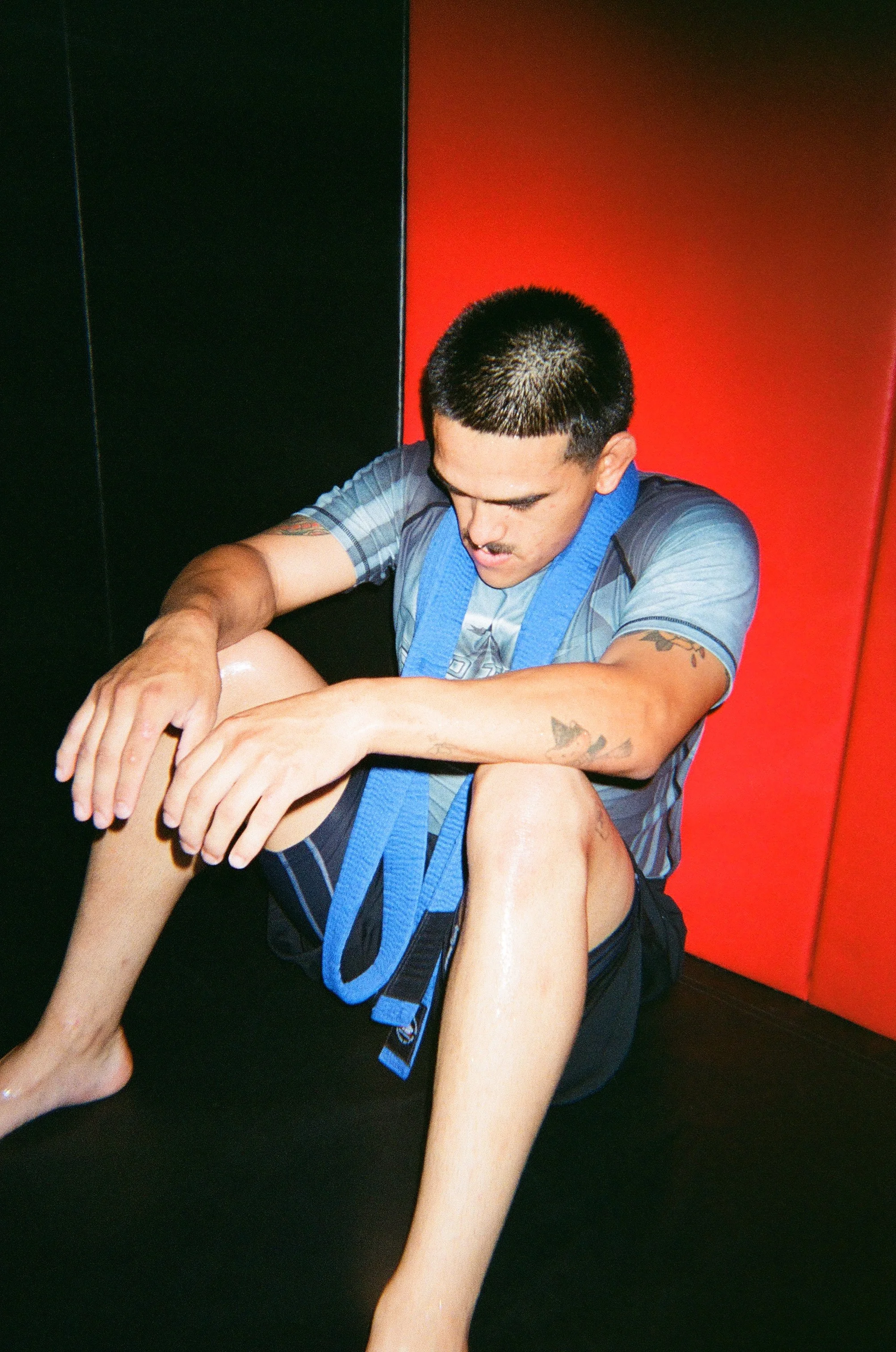
For Combat Warriors, the larger feed needed to feel like one ecosystem. The typography, graphics, captions, merchandise, video direction, and photography all needed to carry the same emotional weather. The grainy flash photos gave the brand a recognizable visual pulse that could work alongside the rest of the system. After enough repetition, people can begin to recognize a brand through their curated atmosphere. A certain flash shadow, grain texture, and emotional distance can help an image feel like Combat Warriors before a caption has to explain it.
The disposable camera became useful because the tool matched the nature of the gym. Combat Warriors is physical, imperfect, disciplined, cultural, and built through repetition. It has the roughness of a room being earned in real time, and the photos needed to carry some of that same weight. With consistent application, the grit became part of the language and the delayed gratification became part of the process. Those welcomed flaws, often edited out in the digital age, made the moments feel less disposable than the camera itself.
This is where creative direction becomes practical.
You find the texture already living inside a brand and build a system that can hold it. For Combat Warriors, part of that system was a simple film camera brought into the room intentionally enough for the images to form their own kind of identity.
A gym built through community, culture, and combat deserved a visual approach that felt touched by hand, developed through effort, and shared slowly enough to become memory worth keeping.
The postings on this site are my own and do not necessarily reflect the views of any company or clients.