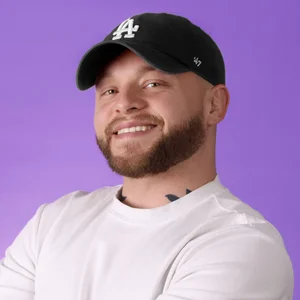
Hope Through Uncertainty
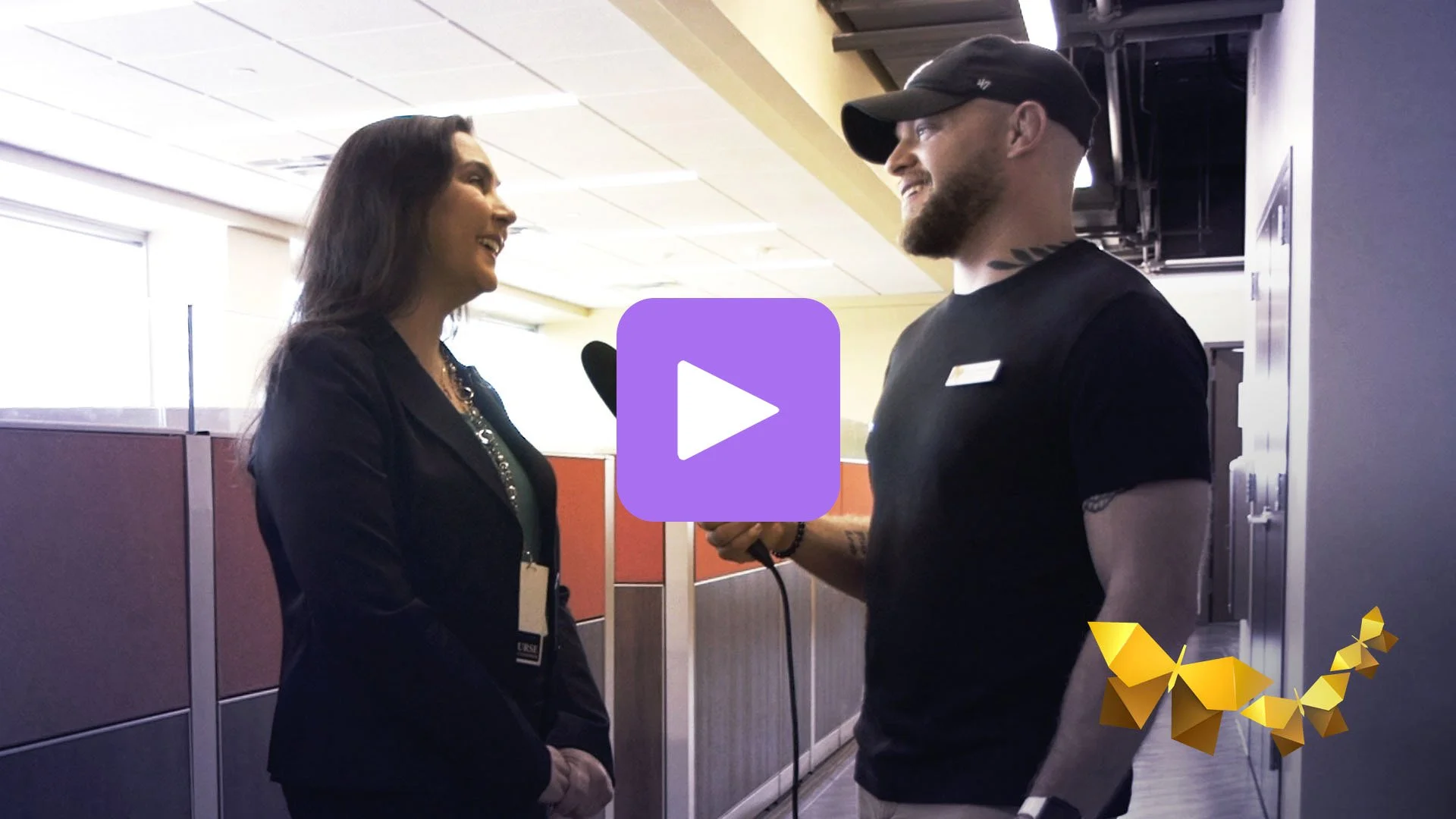
-
Date: October 17, 2025
Role: Multimedia Design Manager
Services: On-Screen Talent, Interview Storytelling, Video Production, Graphic Design
Location: FCS Legacy West
Talent: Family & Children's Services staff - Nicole Rodgers, Saralyn Miller, Amy Davis, and Fernanda Cooley
Crew: Chris Posey – Director of Marketing and Communication
Sara Hathcoat - Creative Director
Russell Wadlin - Multimedia Design Manager / Videographer
The Mental Health Expert Interviews series for Family & Children’s Services was born out of urgency. On a seemingly routine Monday morning, I was handed a 72-hour challenge from executive leadership: create a timely, “man-on-the-street” style video addressing anxiety surrounding funding insecurity, a scary news cycle, and overall community uncertainty. It needed to feel human. It needed to feel responsive. And it needed to be ready for Thursday’s all-staff email in place of the CEO’s usual address. As the only video-forward creative on the team, it was unsurprising when the departmental request quickly became my own. The ostensibly low-lift ask would require more than just technical execution—it would require tone, trust, and clarity under pressure.
Although there were many firsts happening simultaneously, it was apparent to me that this moment was not the appropriate time to experiment with unfamiliar approaches. I showed up with a camera, a handheld mic, and a framework built around curiosity: How do we stay grounded and inspired during uncertainty? I hosted the interviews myself—walking through real office spaces, speaking with crisis therapists, trainers, and recovery specialists about what they were seeing on the ground. We talked about clients calling just to make sure someone would answer. About kids overwhelmed by constant information. About how hope often starts with community and one small, tangible step forward. I avoided scripts and clinical jargon. My job wasn’t to perform—it was to facilitate a safe space where experts could speak plainly, offer reassurance, and tell stories of real transformation.
Behind the scenes, I operated as director, DP, producer, gaffer, and editor—scouting multiple locations, setting up and tearing down gear between interviews, then staying up late to cut the final piece with purpose. Because I hosted the conversations, I could edit instinctively. I knew which pauses mattered. I knew which lines carried weight. The final product wasn’t flashy, but it felt real. It intentionally opened with validation and it closed with a reminder that we’re all figuring this out together. Even the off-camera humor at the end—an homage to a lighter Disney Channel era—helped humanize the entire effort with a twist of levity.
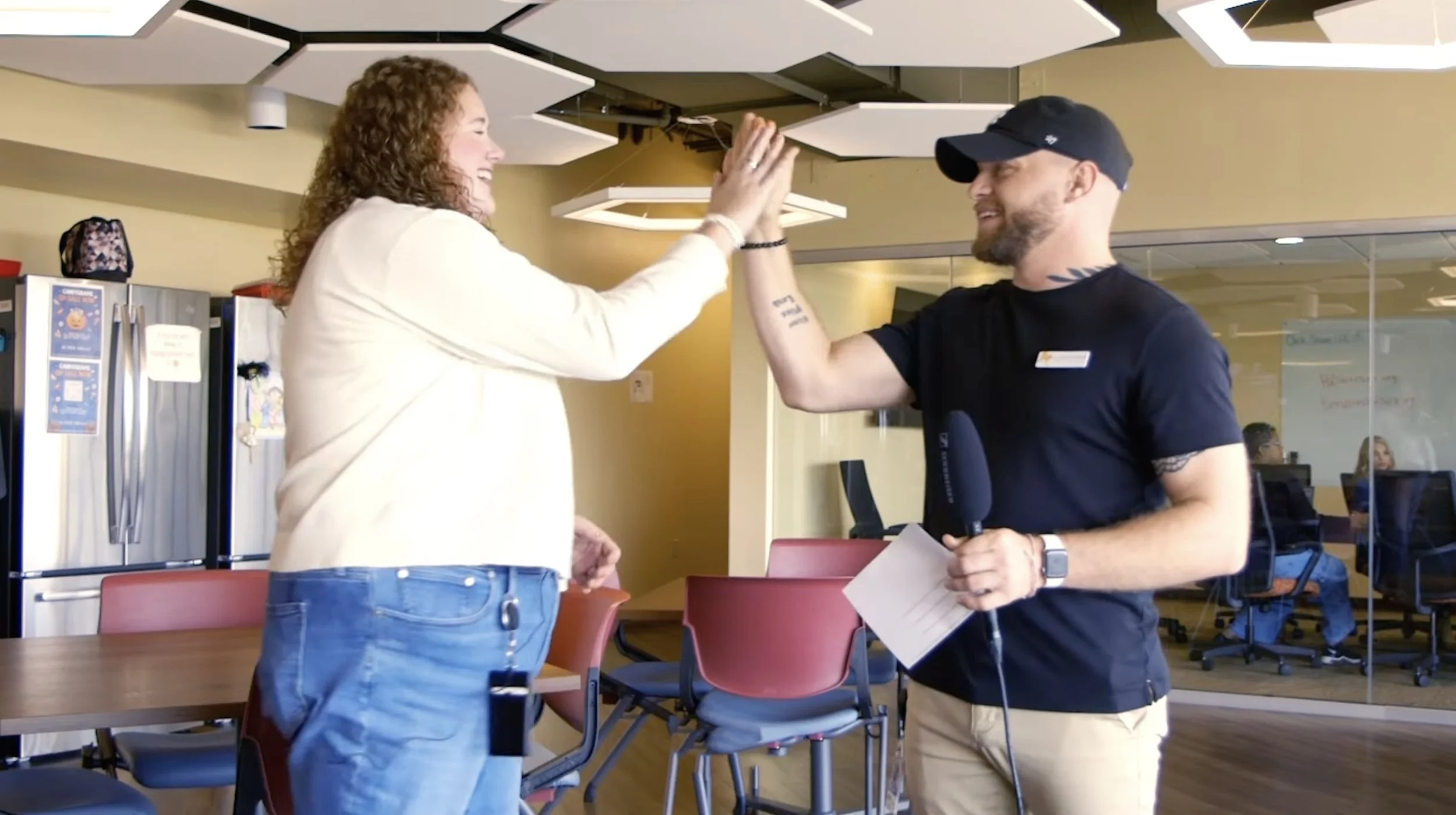
The impact was immediate. The video became the most engaged internal email in memory and one of our highest-performing social posts of the year. More importantly, it proved a hypothesis that I brought to my first day at the agency: authenticity has a place in behavioral health messaging. In a field that understandably defaults to safe and scripted, this project showed that professional credibility and personable content can coexist. For me, it was a defining moment—where a compressed timeline, executive trust, and ten years of storytelling skills collided. Not the most cinematic piece I’ve ever made. But possibly the clearest example of my full creative range meeting the moment when it mattered most.
The postings on this site are my own and do not necessarily reflect the views of any company or clients.