

Capturing the Spark That Amplifies Tulsa’s New Cultural Voice
Client: Tulsa Creative Engine
Role: Video Production Lead
Services: Video Director, Video Editing, Live Event Production
Location: Tulsa, OK
Contract Length: 1 Year

Tulsa Creative Engine was my bridge back home. After years away, I returned to a city I barely recognized — buzzing with artists, organizers, and cultural builders rewriting its identity in real time. I didn’t fully know who I was creatively when I stepped in; I just knew I had a set of skills, a work ethic, and a desire to contribute. Project by project, I was reintroduced to Tulsa in a way that helped me understand that I hadn’t just come back — I had arrived.

Stepping into the center of
Tulsa’s creative revival.
As a young nonprofit, Tulsa Creative Engine (TCE) was already uniting artists, musicians, and entrepreneurs around the belief that creativity fuels both culture and the economy. But they needed video storytelling to match their vision, to secure grants, and to showcase their polished work.
I joined as Video Production Lead to give them that voice. My work included directing, editing, and producing live events and documentary-style projects across music, art, and wellness. Sometimes that meant managing high-energy events like Dreamland’s Spark Summit or a local Music Business Accelerator. Other times, it was capturing intimate conversations about mental health and creativity. Each project required a different approach, but the goal was always clear: tell stories that felt equally authentic and elevated.
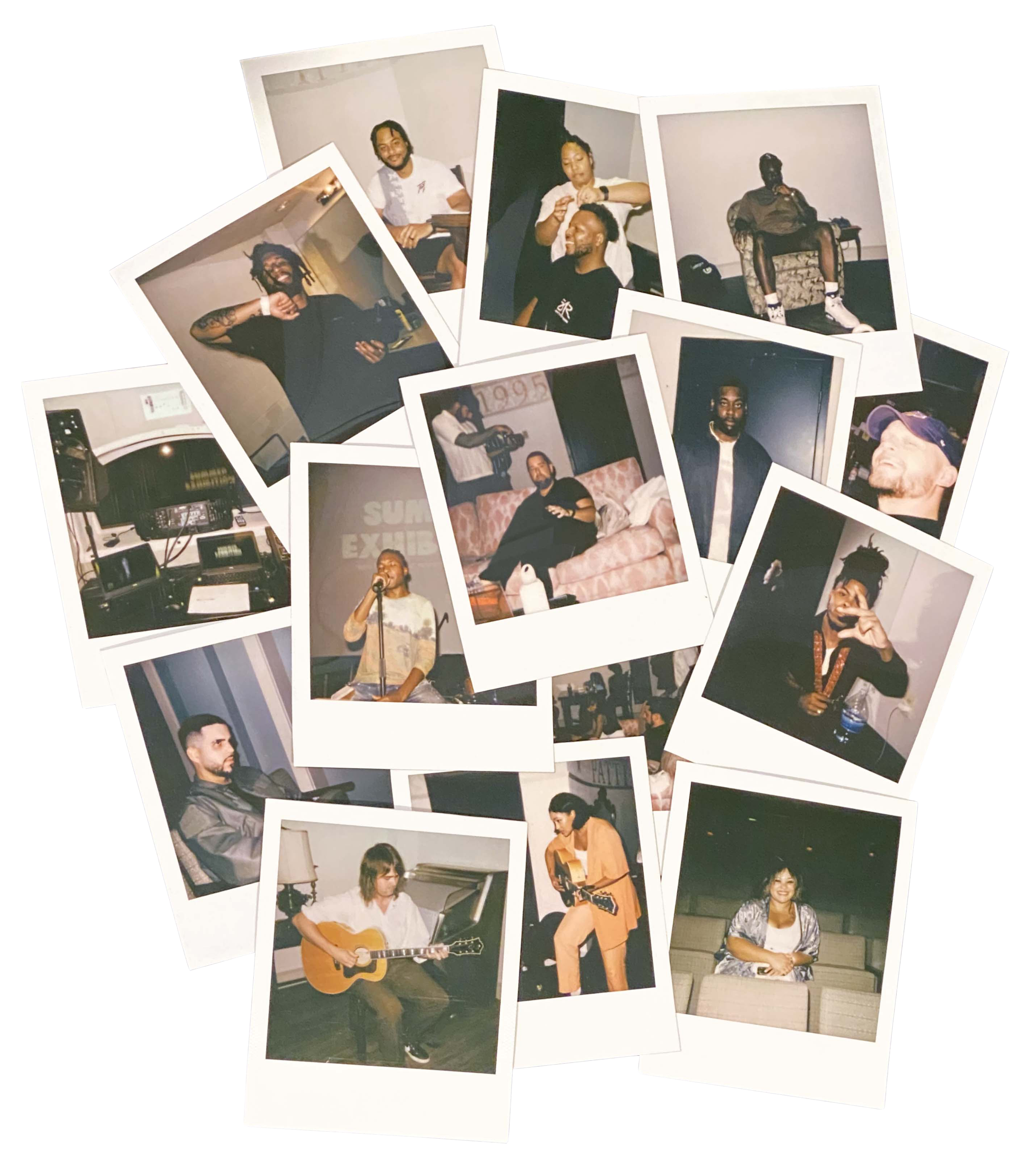
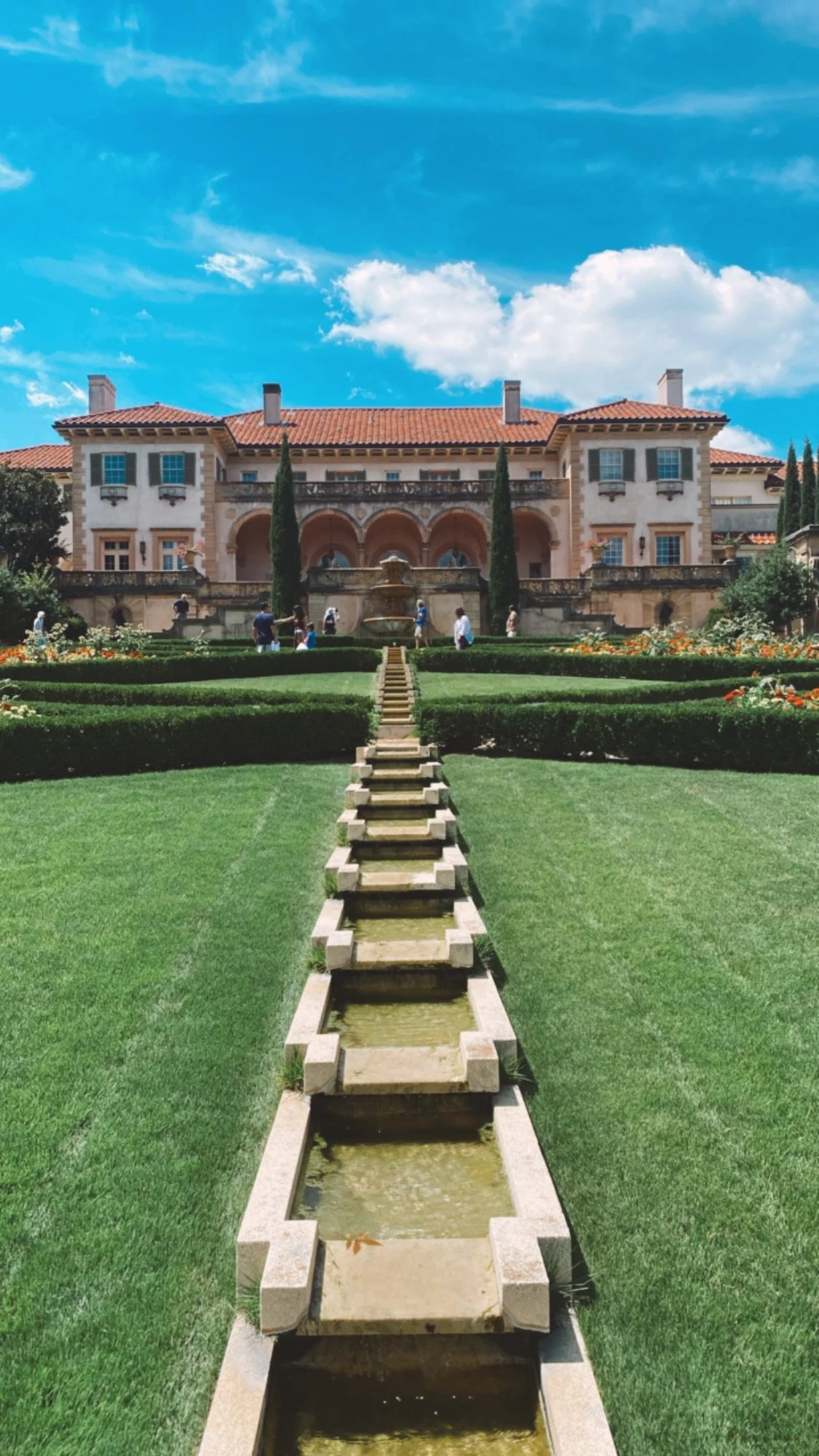
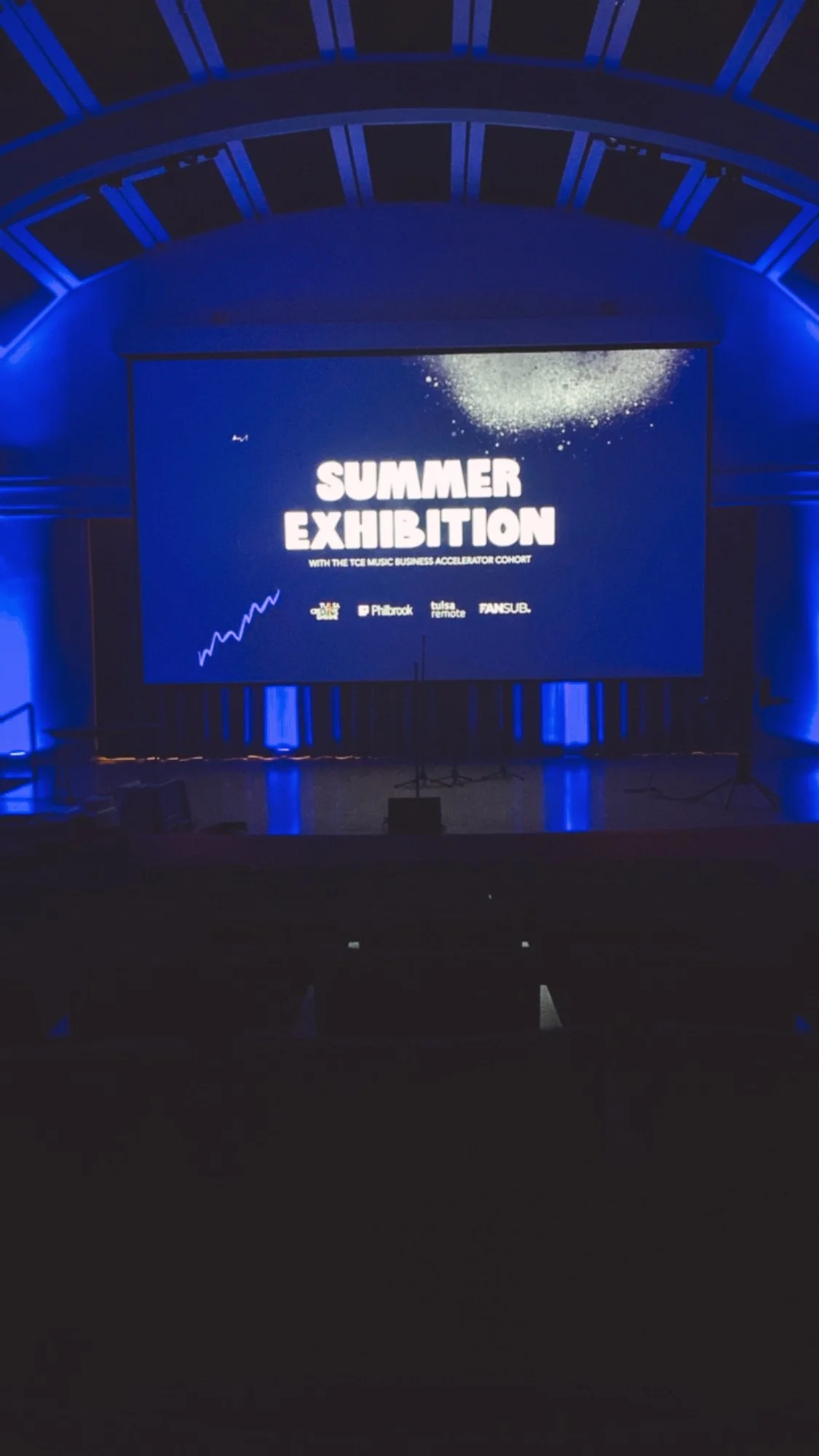
Polaroid photos I took at Summer Exhibition
In one year, I helped deliver five cornerstone projects that gave TCE a stronger presence and a consistent standard of quality. The work went beyond filming—it amplified Tulsa’s cultural voice at a time when it was ready to reach far beyond city limits.
-
TULSA CREATIVE ENGINE is a 501c3 non-profit organization that aims to support Tulsa’s creative community by championing artists and musicians as entrepreneurs, and expanding the ecosystem of resources to help them thrive. We believe Tulsa can be a city where creative talent is nurtured, where artists thrive as full-time entrepreneurs, and where creatives are invested in for the economic and cultural value they bring.
The art of music business.
-
Date: August 20, 2022
Role: Video Production Lead
Services: Event Branding, Live Event Production, A/V Direction, Video Editing
Location: Philbrook Museum of Art
Talent: Nine featured musical artists from the Music Business Accelerator cohort, three co-founder speakers (Chris Davis, Bianca Caampued, Tyrance Billingsley II)
Crew: Kieth “Sneak” Daniels – Director of Photography; Randy – In-house Philbrook A/V Support
The 2022 Summer Exhibition at Philbrook served as the culminating showcase for Tulsa Creative Engine’s Music Business Accelerator program, where nine emerging artists presented their work after completing a six-week entrepreneurial and creative development course. As Video Production Lead, I coordinated with Philbrook’s A/V team to manage live event production, ensuring technical precision across performances that ranged from full bands to DJs to acapella sets. I also directed and edited the official recap video, which documented the event and highlighted the impact of the Accelerator program. This project combined cultural significance with professional polish, helping TCE showcase both its artists and its broader mission to invest in Tulsa’s creative economy.
The 2022 Summer Exhibition at Philbrook was my first big test with Tulsa Creative Engine and the start of our ongoing relationship. With nine artists, three co-founders, and a historic venue, I managed live event production, handled sound and lighting adjustments, and designed the branding — from marketing to on-stage visuals — to give the showcase a polished, consistent look. I also directed the recap video, cutting raw footage into a piece that captured both the performances and the spirit of the program.
This event embodied TCE’s mission and set the tone for how we’d work together moving forward. It wasn’t just about giving artists a stage; it was about building community and momentum. For me, it marked the beginning of a trusted partnership and reminded me that my role goes beyond production — it’s about creating space where Tulsa’s creativity can thrive.


“As a video producer, director and editor he has done beautiful work for my organization. He has done very impressive design and motion graphics work for me across various projects. Clayton is always my first choice for visuals and live production and I would recommend him to anyone.”
Chris Davis • Co-Founder at TCE
Sparks in a land of dreams.
-
Date: September 16-17, 2022
Role: Video Production Lead
Services: Live Event A/V Direction, Video Editing, Graphic Design, Screen Graphics, Promotional Content
Location: Dreamland Festival & Holberton School
Talent: Event panelists, keynote speakers, workshop leaders, and performing artists
Crew: Kieth “Sneak” Daniels – Director of Photography; Libby Ediger & In-house A/V staff from Holberton School; JV – Graphic Art Direction
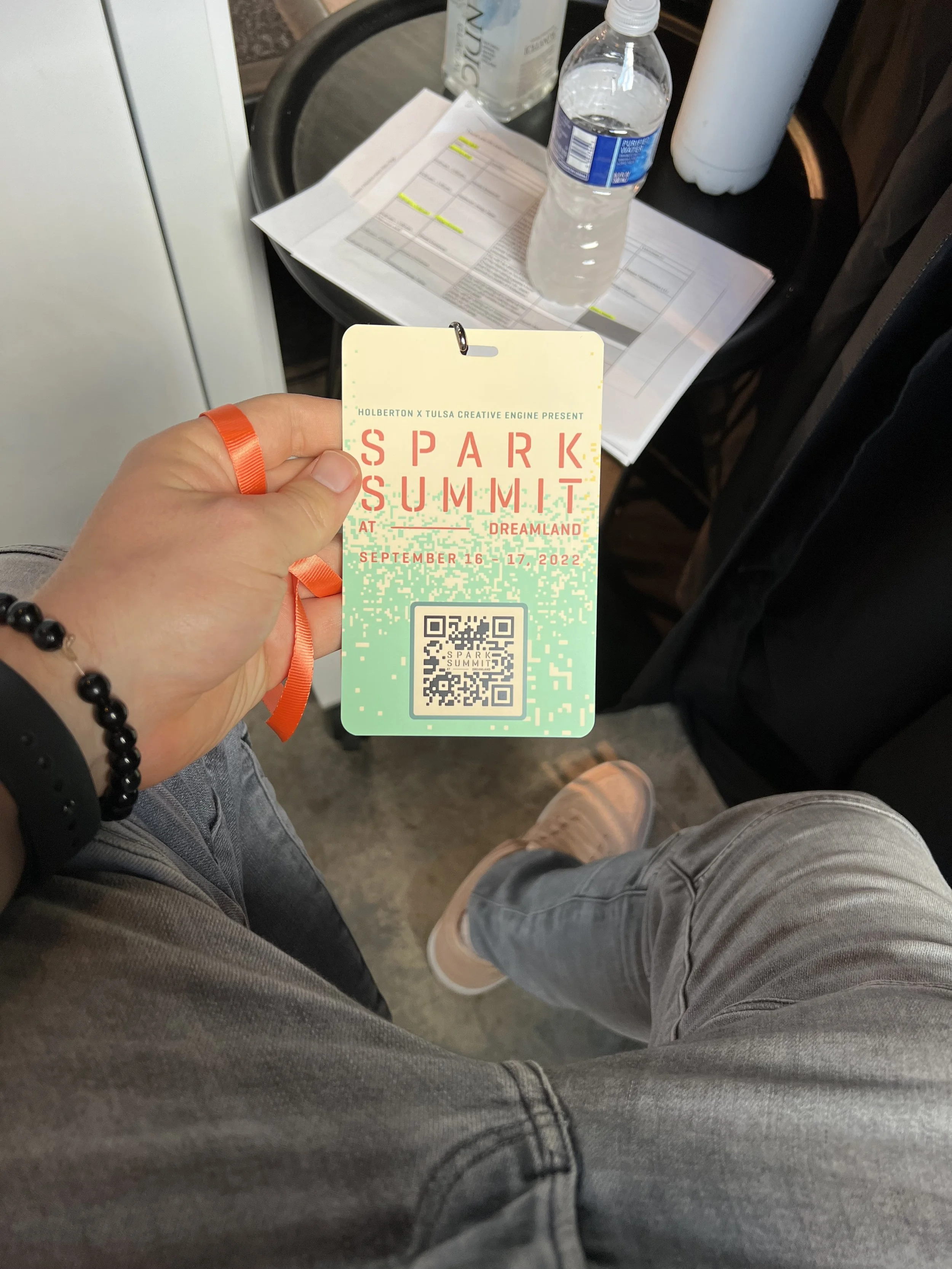
Spark Summit 2022 was a two-day conference hosted by Tulsa Creative Engine at Dreamland and Holberton School, designed as a catalyst for creative innovation across music, art, tech, and entrepreneurship. The event featured panel discussions, keynotes, workshops, art installations, VR/AR experiences, and live performances. As Video Production Lead, I managed A/V production for the full weekend, ensuring technical consistency across multiple presentation formats and performance spaces. In addition, I provided graphic design for event marketing, in-house screen visuals, and post-event recap editing, delivering polished storytelling that amplified the summit’s impact within Tulsa’s creative community.
Spark Summit pushed me to cover a wide range — wearing multiple hats while working alongside the amazing Holberton staff, I ran mics for independent artists like LaRussell and made sure an Oklahoma State Congressman’s policy slides visuals were flawless. My role was keeping the run of show transitions seamless while also designing the event branding and in-house screen graphics. Later, I cut the recap video to tie those diverse voices into a single story that captured the summit’s energy.
What stood out was how the event positioned Tulsa as a hub for creative innovation. By handling both the production and the storytelling, I was able to amplify that message while furthering TCE’s trust. This project cemented a partnership where I wasn’t just documenting events, but helping present them in new ways.


Express, connect, and heal.
-
Date: November 26, 2022
Role: Video Director & Editor
Services: Video Director, Concept Development, Location Scout, Crew Management, Videography, Editing, Coloring, Production Design
Location: Spark Studios
Talent: Parris Chariz, Ausha LaCole, Parker D. Wayne, VNice, Pura Coco, and facilitator Cantiese Burrell (MSW, LCSW)
Crew: Christina McPherson – Director of Photography, Wick Media, Don Kreutzweiser – Audio Engineer, iMedia
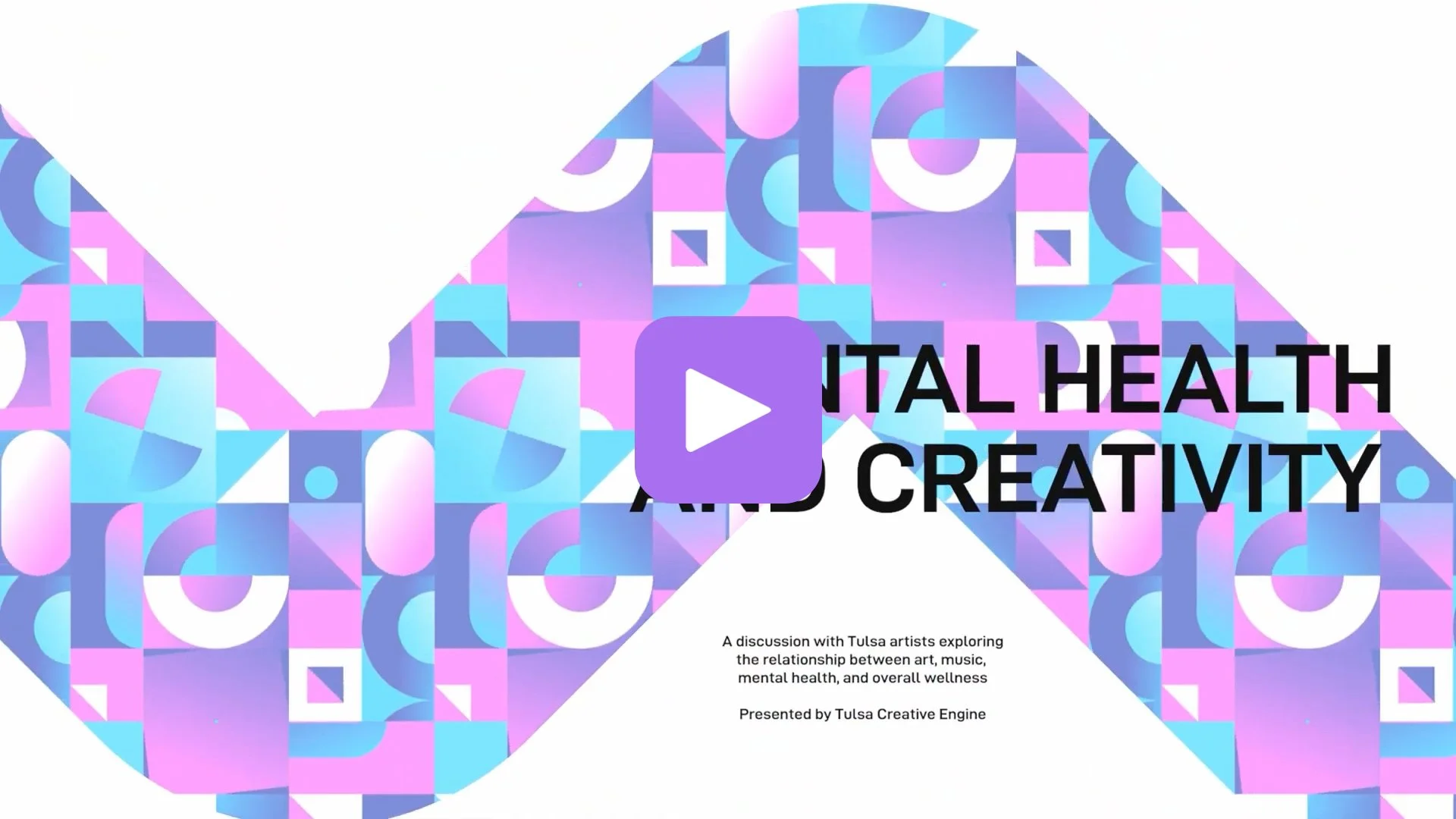
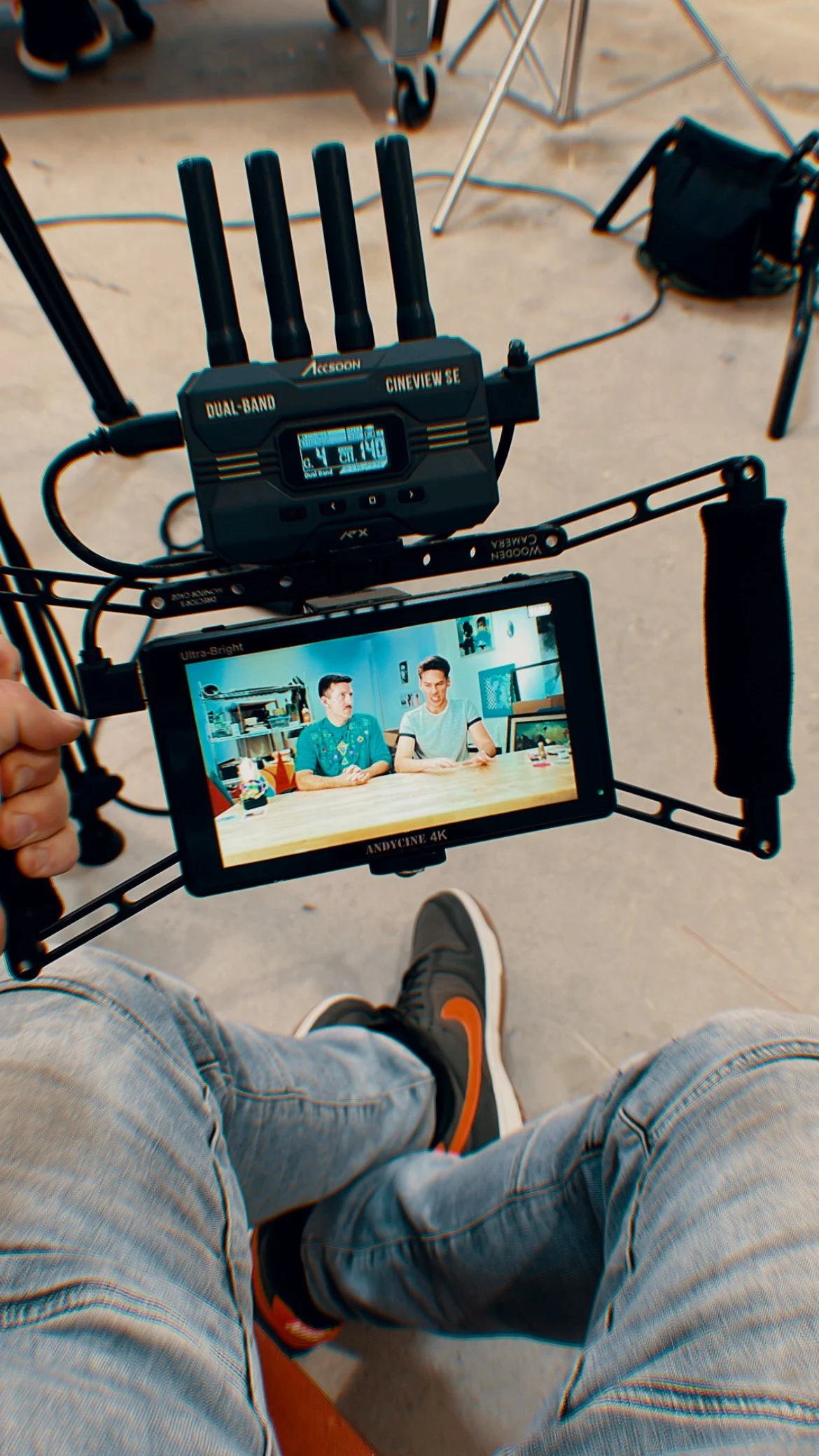
This project, produced in partnership with Tulsa Creative Engine and sponsored by the Ascension St. John Foundation, was designed to highlight the intersection of mental health and creativity in the local artist community. The Artist Roundtable convened five Tulsa-based creatives for a filmed discussion facilitated by licensed clinical social worker Cantiese Burrell. The goal was to destigmatize mental health challenges while spotlighting how artists integrate wellness into their craft. I led the entire production process—from developing the creative concept and scouting Spark Studios as the location, to assembling and managing a local crew, directing the shoot, and editing the final piece. The result was a multi-camera session interwoven with B-roll of each artist’s work, creating a polished, grant-backed deliverable that aligned with Ascension St. John’s goals of promoting health equity through art.
This roundtable was my first chance to stretch as both a producer and storyteller under the Ascension St. John Foundation grant, and Spark Studios was the perfect setting. I pitched the concept, scouted the space, built the team, and managed every detail—to create something that felt both authentic and cinematic. The result blended group conversation with creative expression, part group therapy session and part showcase.
What stuck with me was how the edit mirrored the dialogue itself, weaving in shots of the artists in their element to show that mental health isn’t abstract — it’s an expression of vulnerability. By the end, it felt less like a panel and more like a resource for the community. It proved to me that storytelling can make tough conversations approachable, and that production is just as much about care as it is about craft.


“Clayton and the crew made me feel comfortable from the moment we walked onto set. It didn’t feel like being filmed, it felt like being understood.”
VNICE • Tulsa Muralist

A shared story on canvas.
-
Date: March 15, 2023
Role: Video Production Lead
Services: Video Director, Concept Development, Location Scout, Crew Management, Videography, Editing, Coloring, Production Design
Location: WOMPA
Talent: Black Moon Artist Collective - Jiji Coul, Omni Meraki, Rah, and C.A.P.
Crew: Benji Osborne – Director of Photography
Sponsored by the Ascension St. John Foundation, this video project centered on the Black Moon Collective, a group of Black artists in Tulsa. Filmed at WOMPA, the production aimed to destigmatize conversations around Black mental health while showcasing the role of community and artistic collaboration in fostering resilience. The video highlighted an experimental group art exercise, where each artist painted sequentially on a single blank canvas without seeing one another’s contributions until the end. Interwoven with testimonial voiceovers, this narrative both symbolized and articulated the shared struggles and strengths of Tulsa’s Black creative community.
This project was where I leaned into experimentation — and it worked. Second in the series from the Ascension St. John Foundation, I wanted more than a sit-down interview. So I set up a living metaphor: a single blank canvas where each Black Moon artist painted in isolation, only seeing the finished piece together at the end. Their reactions, and the way their voices overlapped in the edit, turned the video into both an artistic exercise and a conversation starter on Black mental health.
The process mirrored the message. Testimonies of identity, trauma, and resilience layered together like the paint itself, forming something stronger when combined. Even the fact that the final canvas was auctioned for mental health support tied it all back to the mission. It proved that sometimes the best storytelling comes not from staging, but from creating conditions where authentic moments emerge.


Studio 54 meets Route 66.
-
Date: May 16, 2023
Role: Video Production Lead
Services: Video Director, Concept Development, Location Scout, Crew Management, Videography, Editing, Coloring, Production Design
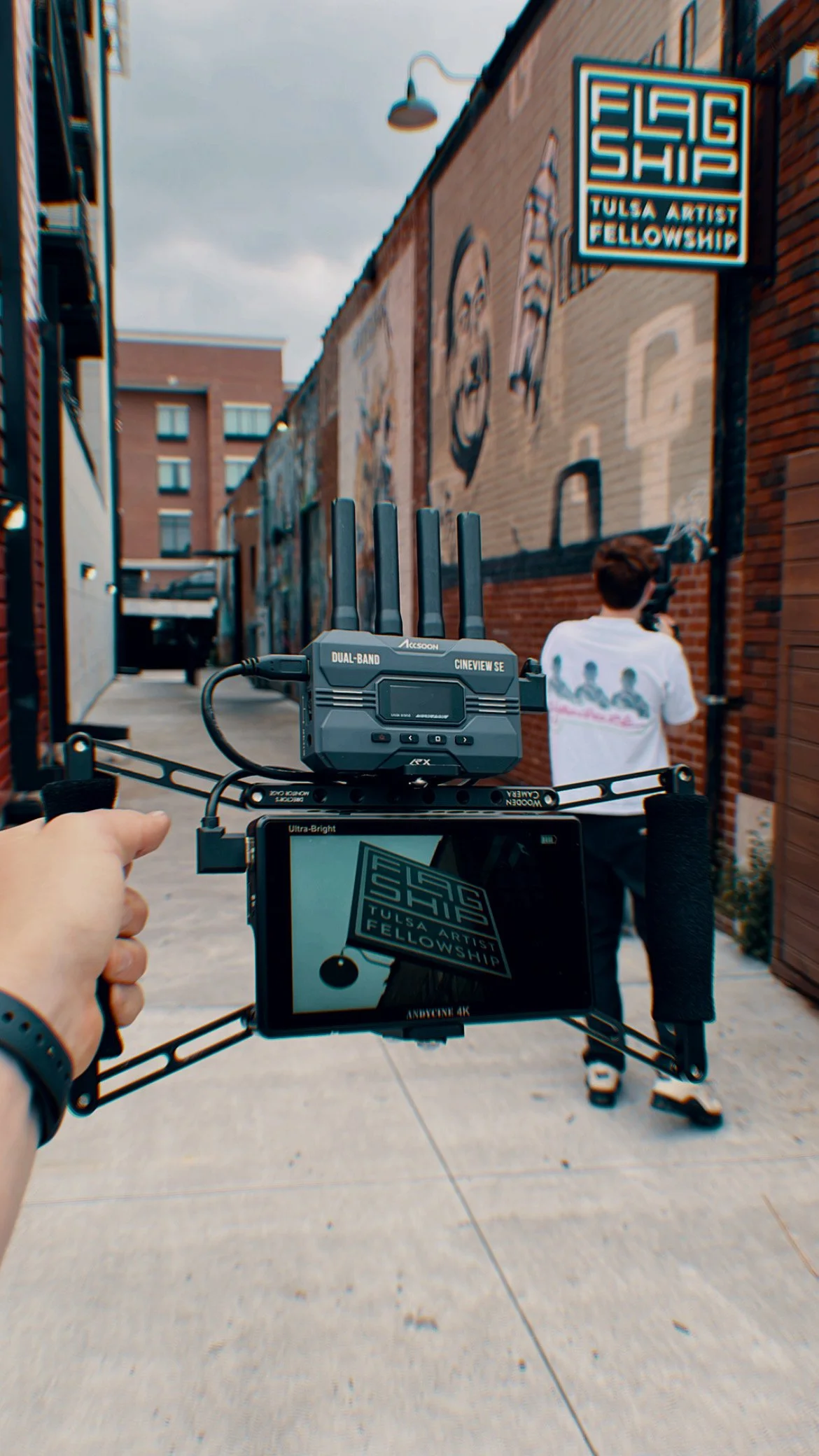
Location: Tulsa Artist Fellowship
Talent: Studio 66 - Chris VanDenhende and Karl Jones
Crew: Benji Osborne – Director of Photography
In the final sponsored series by the Ascension St. John Foundation, this video project spotlighted the Studio 66 collective, a group of LGBTQ+ artists in Tulsa using creativity to challenge stigma and build community. The story featured curated mural work, gallery exhibits, and authentic studio moments with collective members. Destigmatizing mental health struggles within LGBTQ+ communities by pairing authentic testimonies with expressive gallery displays ensured that the video reflected the artistry and the lived experiences of the collective.
Studio 66 was the most profound, and the final, video backed by Ascension St. John Foundation. I knew this wasn’t just about making a video — it was about giving space to LGBTQ+ voices that too often go unheard. Filming inside their curated gallery, I tried to capture both sides of the story: the bold murals and glittering canvases on display, and the quieter truths about mental health, identity, and resilience that surfaced in their testimonies.
One moment on set stuck with me. Chris V. told me how hearing Jolene sung by a man changed his life — proof that men could express themselves with the same raw vulnerability as women, sparking his own path to self-discovery. As a nod to that, I tucked Lil Nas X’s cover of Jolene into the edit as a subtle easter egg. It tied everything together: art, identity, and courage. This project wasn’t just about documenting stories — it was about strength through expression.


Personal Takeaway
Working with Tulsa Creative Engine helped anchor me in Tulsa in a way no other project had. It gave me a seat at the table with artists, organizers, and leaders who are shaping the city’s cultural voice, and through that, I started building relationships that made Tulsa feel less like a place I lived and more like a place I belonged. Every event I supported wasn’t just work — it was another thread connecting me to the creative fabric of this community. Those connections and the trust TCE showed me helped transform a city I was still learning into a home I’m proud to invest in.
On a deeper level, TCE gave me space to come into my own as an artist. I began as a hired hand, but I walked away with friendships, mentors, and a creative family that grounded me here. The work itself taught me that my craft wasn’t just production — it was a way to tell stories that mattered to people I now call neighbors. That shift made me realize I wasn’t just documenting Tulsa’s creative scene, I was becoming a part of it. And for me, that’s what turning a city into home truly looks like.








The postings on this site are my own and do not necessarily reflect the views of any company or clients.