The Silent Battle After Service
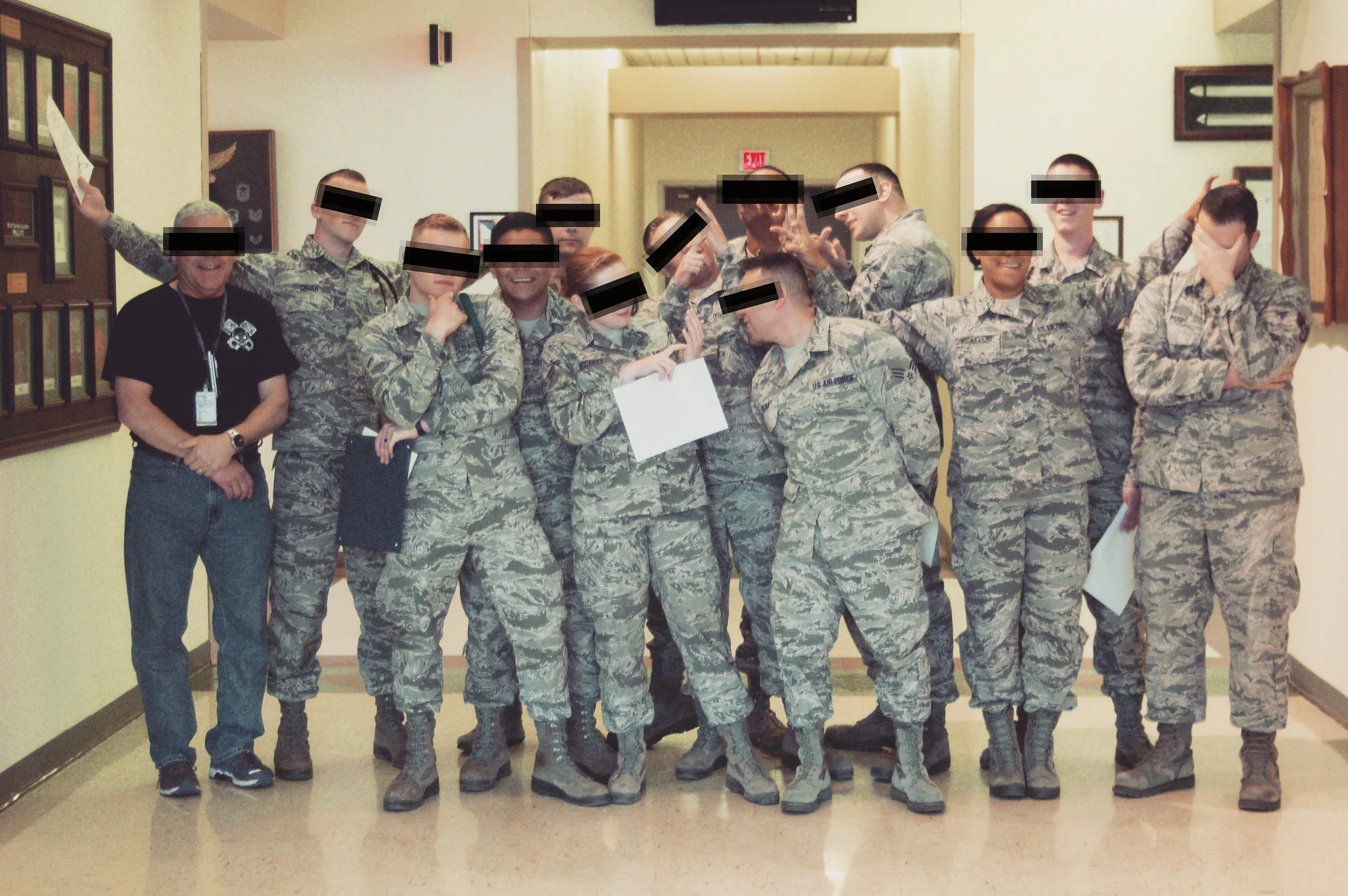
Behind every worn military uniform is a person seeking a heightened sense of purpose and belonging. It provides meaning and escape for lives that are often already difficult to navigate. Recruiters explain the requirements, benefits, and blueprint for success from boot camp to retirement.
Raising my right hand in that office was the best decision I ever made.
Although Hollywood movies portray camo-wearing superheroes with seemingly unending strength, memorials are erected for the ones who made the ultimate sacrifice, and combat PTSD is treated more seriously than ever before, there is an inevitable reality that quietly lingers for even the most prepared service members after their uniform comes off: transitioning back to civilian life.
An immediate stripping of individuality is a required part of military indoctrination. Rediscovering who you are when the mission is complete becomes a much more personal challenge.
And I know that story well.
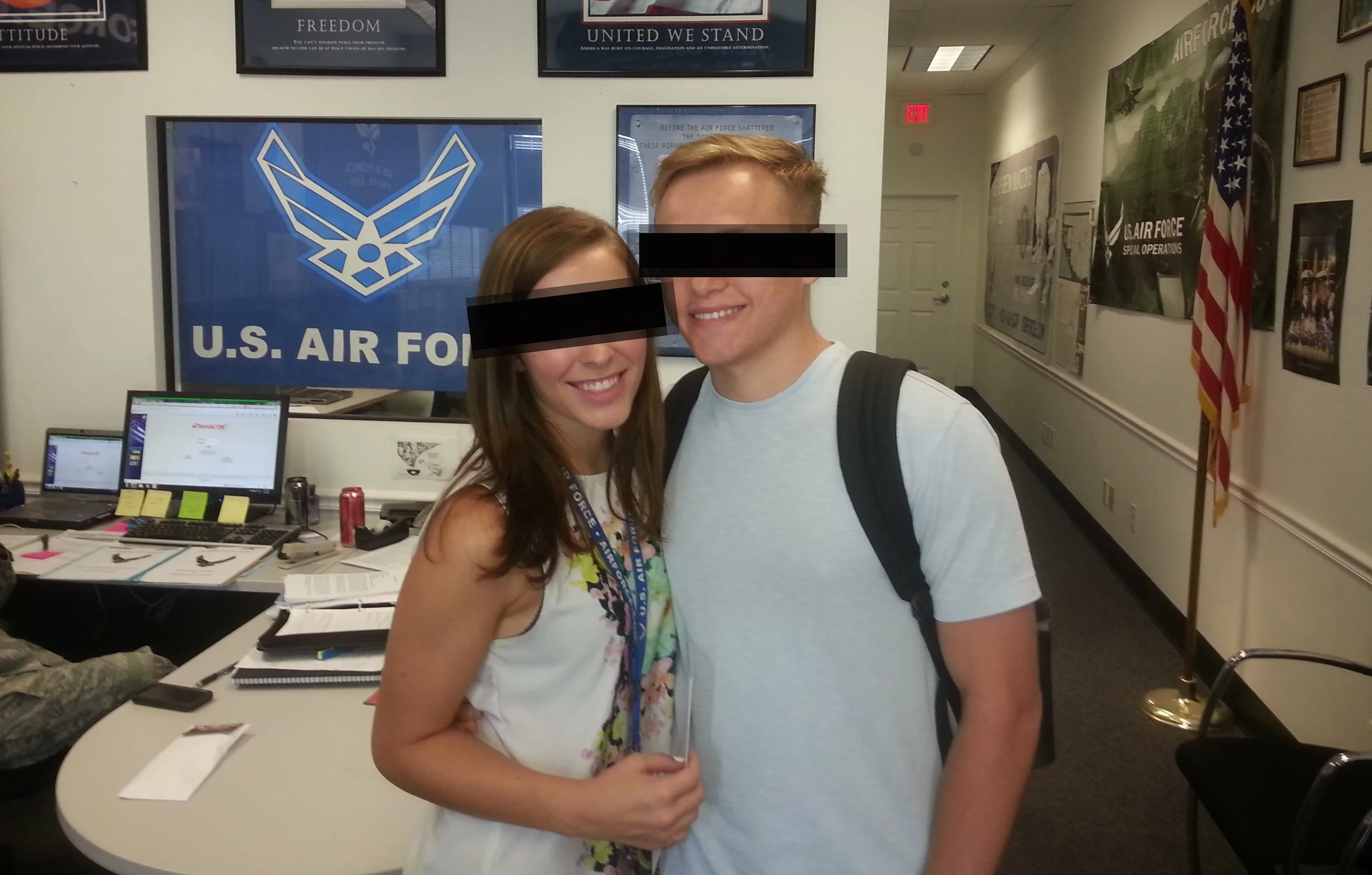
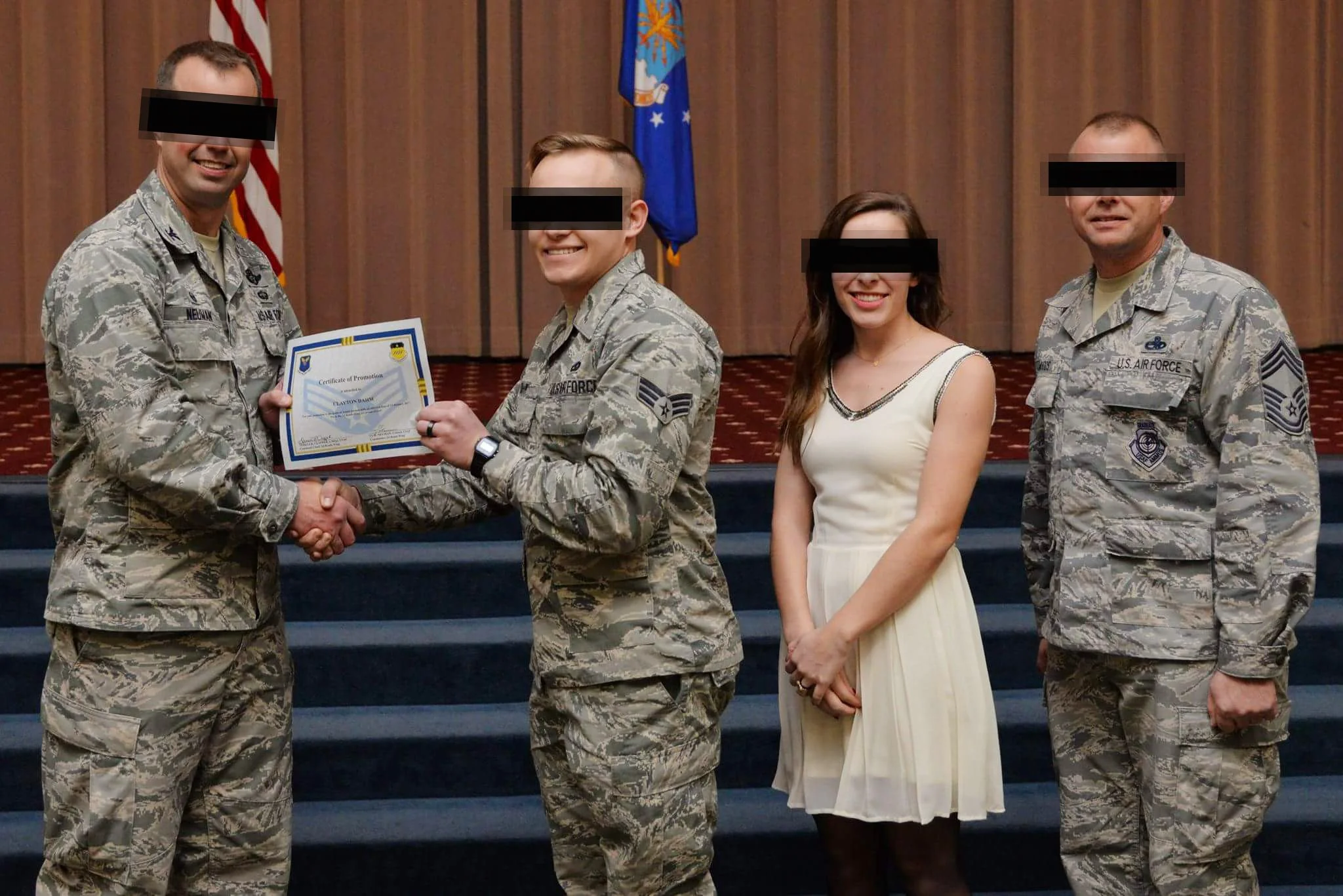
When I joined the United States Air Force, I was 19 years old and newly married, with my sights set on anywhere but home. My mom and grandfather were in the military, but my motivations to enlist were not necessarily rooted in patriotism. As a broke college student, I saw a clear pathway to skill building, zero student loans, and maybe even world travel for my growing family. The opportunity felt like it came straight out of the Midwestern playbook. I did the research and crunched the numbers. A four-year contract could leave me set up long after separation while also giving me a nudge out of the nest of adolescence in a way that felt controllable.
From day zero, military boot camp leverages shared sentiment and trauma bonding as individuals are immediately stripped of distinguishable traits. Mission readiness requires it. Building a culture of conformity. There is safety in that control. Prioritizing readiness sculpts and equips everyone in an operational environment, which makes sense when the stakes are simply the protected sovereignty of a nation. Even if that means learning how to walk, talk, and dress again before moving on to more specialized tasks. It is a rigid regimen that is designed to rewire already malleable young brains around “service before self” with programming as old as war itself.
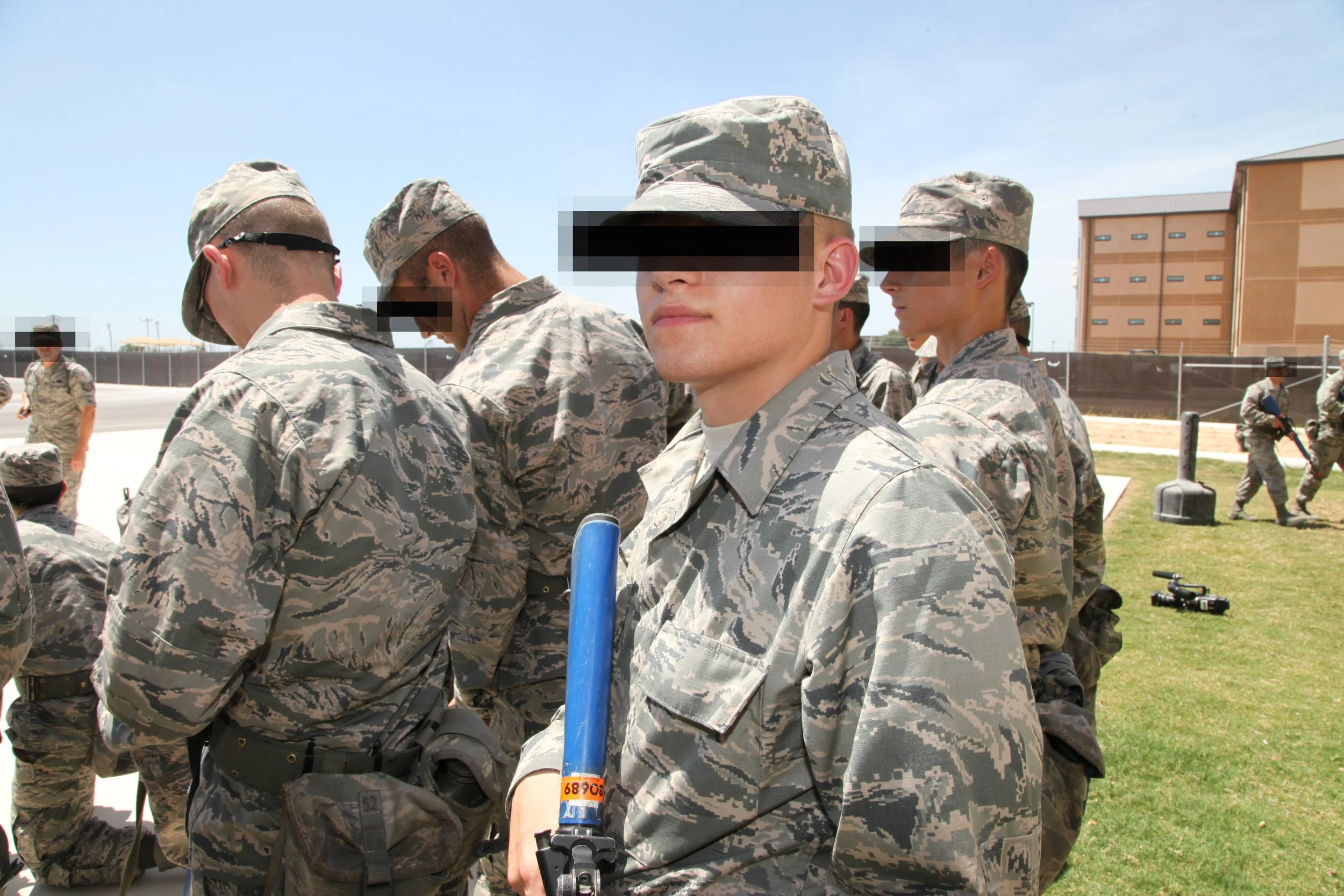
The clock was ticking from the moment I stepped off the bus in preparation for my eventual separation date. Each chapter of my contract was certain. Intake, training, specializing, operations, deployment, and out-processing. It was defined by millions before me, and I thrived in reverse engineering successful tenures. So, I leaned heavily into learning as much as I could in my finite time while strategically building the scaffolding of my next civilian chapters in the background. That could mean academically, financially, relationally, professionally, all of the things.
If it was measurable, it was manageable. Or so I thought.
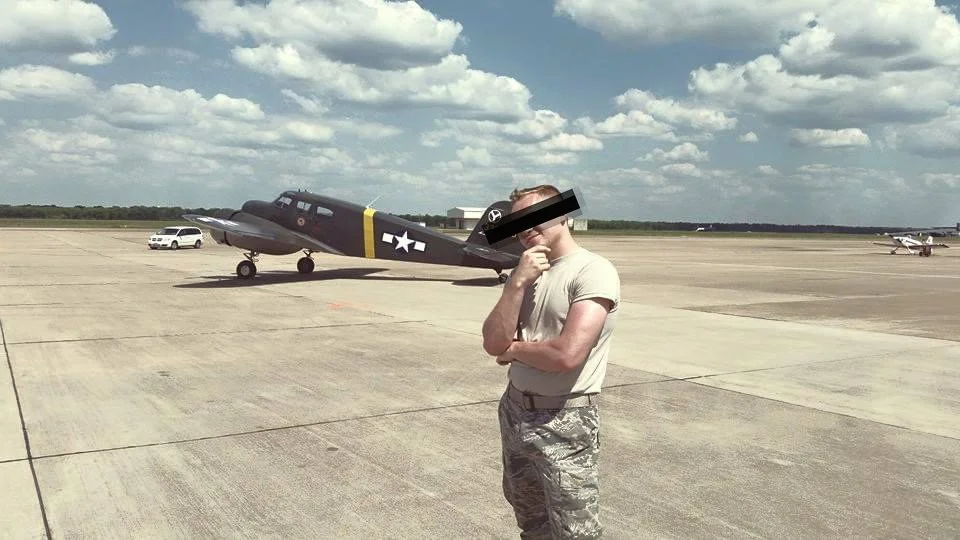
As I rose in the ranks as a glorified wrench turner, I tried my best to protect my own interests, values, and identity. However, the assimilation into such a wide and historic fraternity of Americans does unsurprisingly change a person.
In retrospect, I realize that one of the reasons I propelled so quickly was a byproduct of my willingness to simultaneously lean headfirst into both military culture and self-development. In a twist of irony, the more I silently invested in my post-separation self, the deeper I embedded into squadron significance. Attending night classes at the local college, volunteering for every event available, and even learning and teaching resume writing workshops became undeniable resume bullets for my own promotion packages. Leadership acknowledged it. The upward spiral ostensibly benefited all. In reality, the residue of quantitative affirmation and boundless gratitude from the nation around me deepened an Airman identity that would be harder to untangle.
Then my contract was up. Just like that.
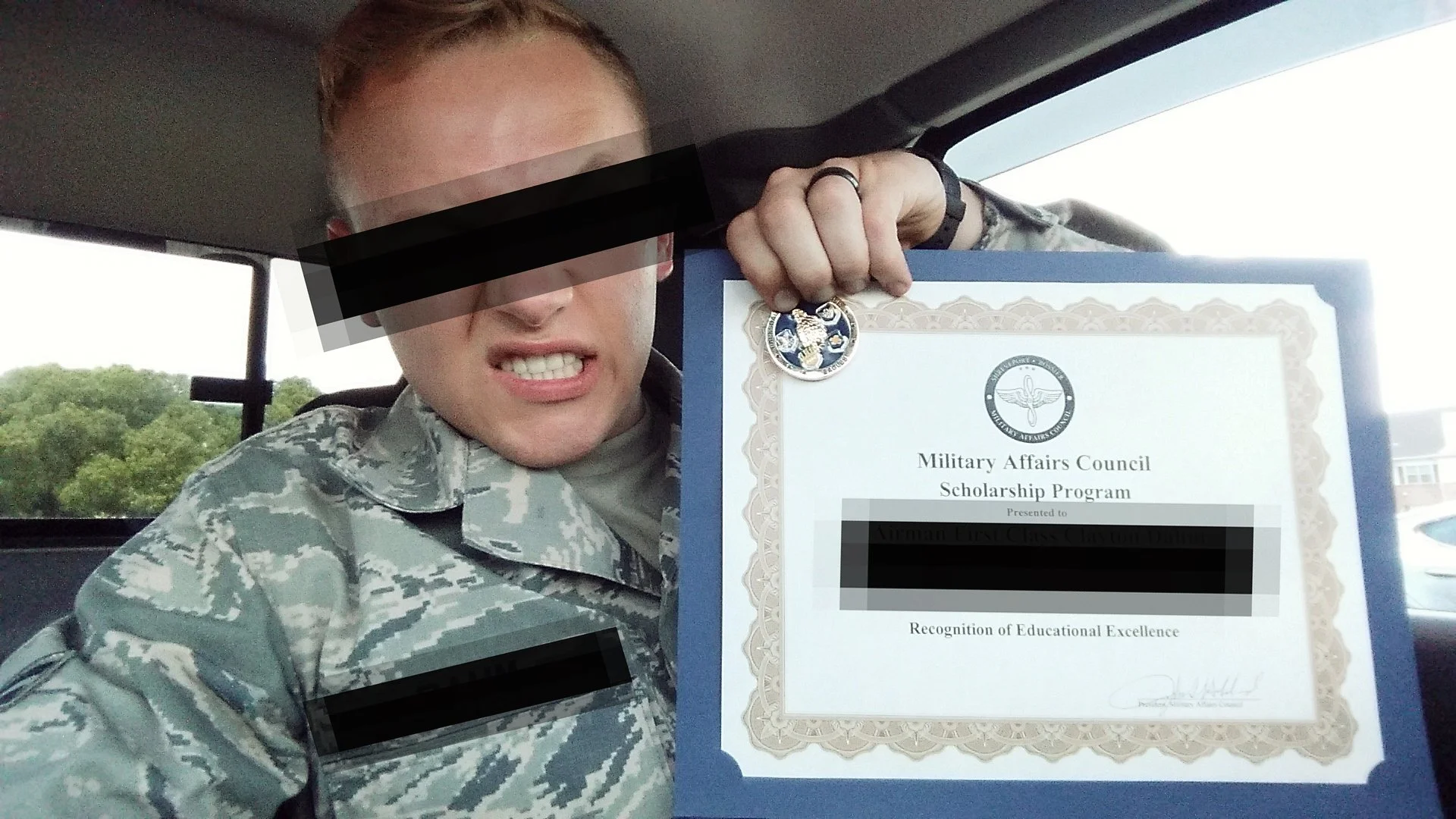
I knew for four years that I had four years to prepare. That is exactly what I did to the best of my ability.
I saved up enough money to carry my family the rest of the year. I earned a degree while in service with an untouched GI Bill to fall back on. I built a film business with a true network of reliable contacts in Los Angeles. I had a perfectly manicured resume with written letters of recommendation from a range of leadership. I even had a blank check from the Department of Defense to move me and my wife back to wherever we considered home.
It was time to hit the road to Hollywood and reap the rewards of a job well done.
That’s when the crisis began.
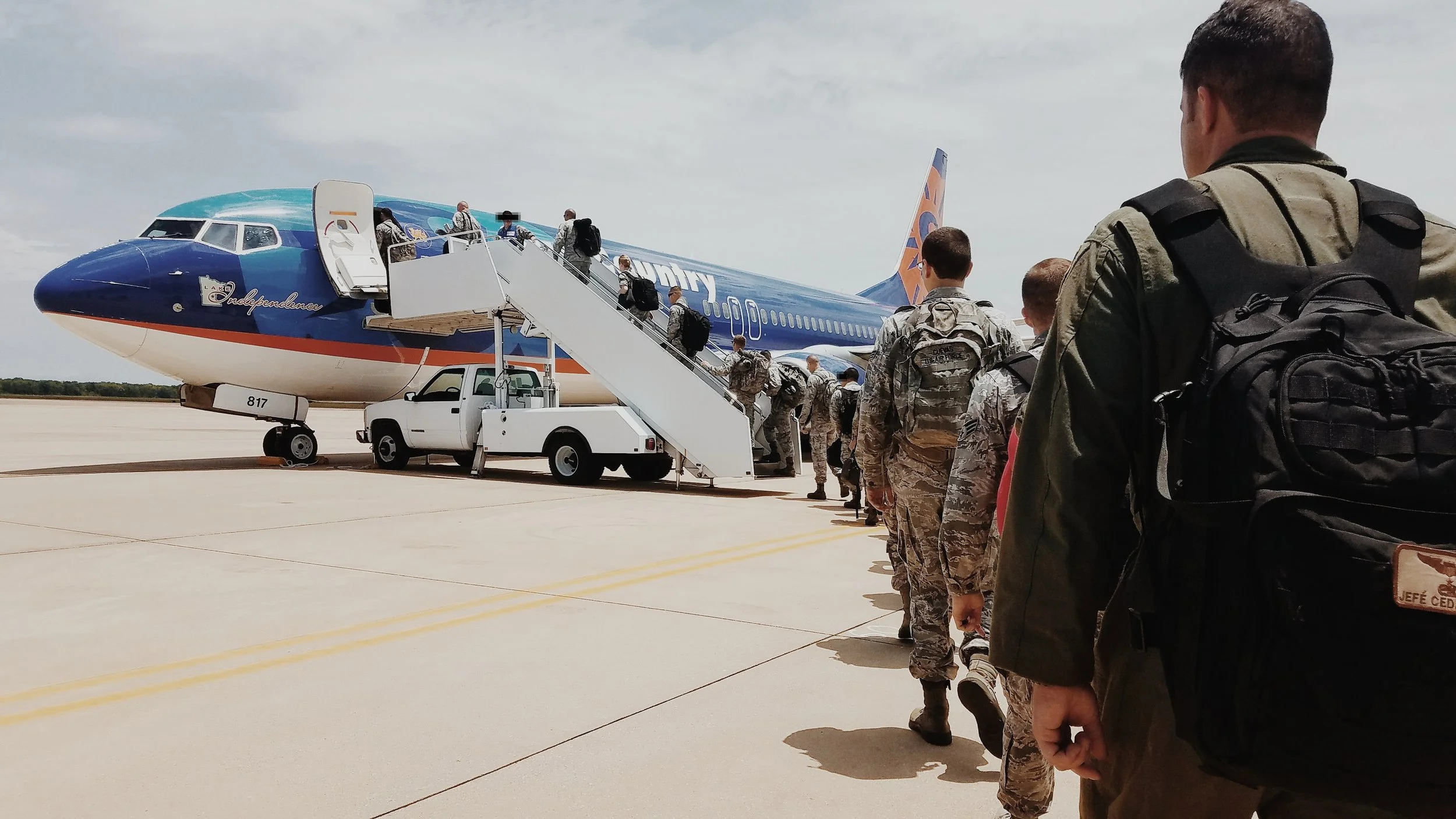
I remember it vividly. The minute our U-Haul made it to the foreign land of Tinseltown, I experienced my first-ever panic attack. In the same moment that my wife justifiably relished in the “We made it” energy, I could almost physically feel the veil of safety that I had known my entire adulthood completely vanish. I was now in a blueprint-less lifestyle where the support steeped in shared experience was now 1,600 miles behind me and never coming back.
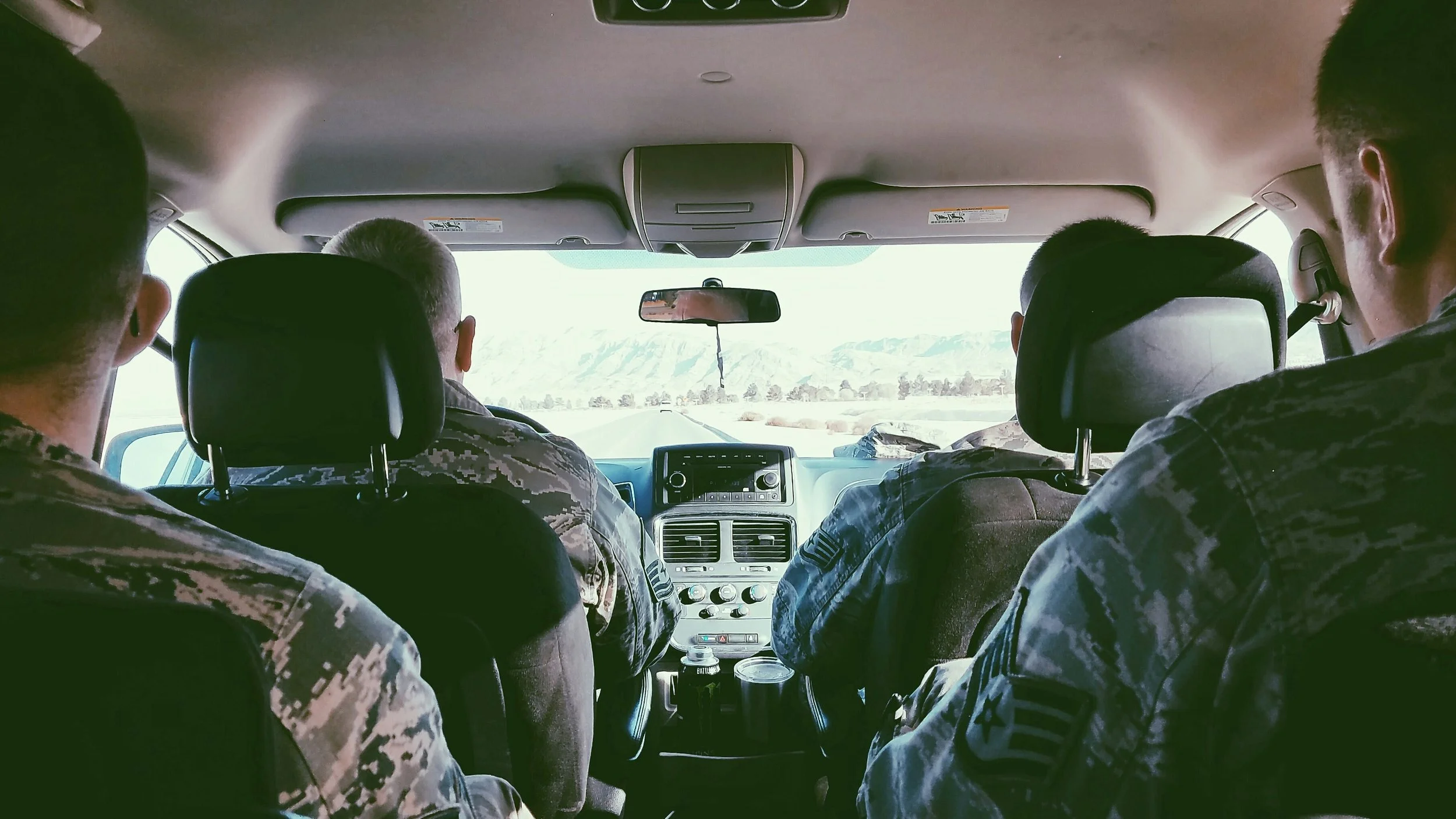
In an instant, I learned something important that no book or mentor could ever teach me: The military was more than a job someone retired from; it was an identity rooted in community and culture that could only be fully understood by the ones who lived it.
Leaving that identity behind meant rewiring my brain to become a person that I had never been in a place that I had never lived. On top of that, my job prospects fell through one by one. The cost of living expenses were borderline unsustainable. I latched onto the one familiar face that I thought could uniquely empathize with what was happening and subsequently smothered my wife in what I now know to be grief. That suffocation eventually played a role in our divorce after five years of marriage and only mere months post-military.
Needless to say, it was a stressful and confusing time.
My logical brain that brought me so much success in uniform struggled to reckon with the understanding that this couldn’t be the result of poor preparation. It couldn’t be a question of underperforming, as I had seen others with much less make it out seamlessly. I never saw active combat and fortunately did not succumb to the effects of PTSD that so many others grapple with. My anxieties felt so incredibly intimate and hard to explain.
Any of my friends still in the military did not know a life afterward. Any veteran struggling at the VA was likely thrice my age and had problems that made mine feel insulting. I was lonelier than ever in a sea of humanity.
That loneliness may have seemed personal, but the data suggests it was never isolated. The clearest contrast shows up in suicide rates among veterans and recently separated service members.
According to the VA’s 2025 National Veteran Suicide Prevention Annual Report, the 2023 suicide rate for veterans was 35.2 per 100,000, compared with 16.9 per 100,000 for non-veteran U.S. adults. That is more than twice the non-veteran adult rate. The same report found that veterans who separated from active duty experienced a suicide rate of 41.2 per 100,000 in the 12 months following separation. Substance use and homelessness add more complicated layers. National substance use disorder rates among veterans do not always tower above civilian averages, but when substance use, mental health diagnoses, housing instability, job uncertainty, relationship strain, combat trauma, or untreated pain collide with the loss of military structure, the transition can become dangerous quickly.
VA data found that veterans with documented homelessness had a suicide rate 146% higher than those who are housed. So, while my own transition did not involve combat trauma, homelessness, or substance use disorder, it gave me a small glimpse into the same pressure system these numbers point toward.
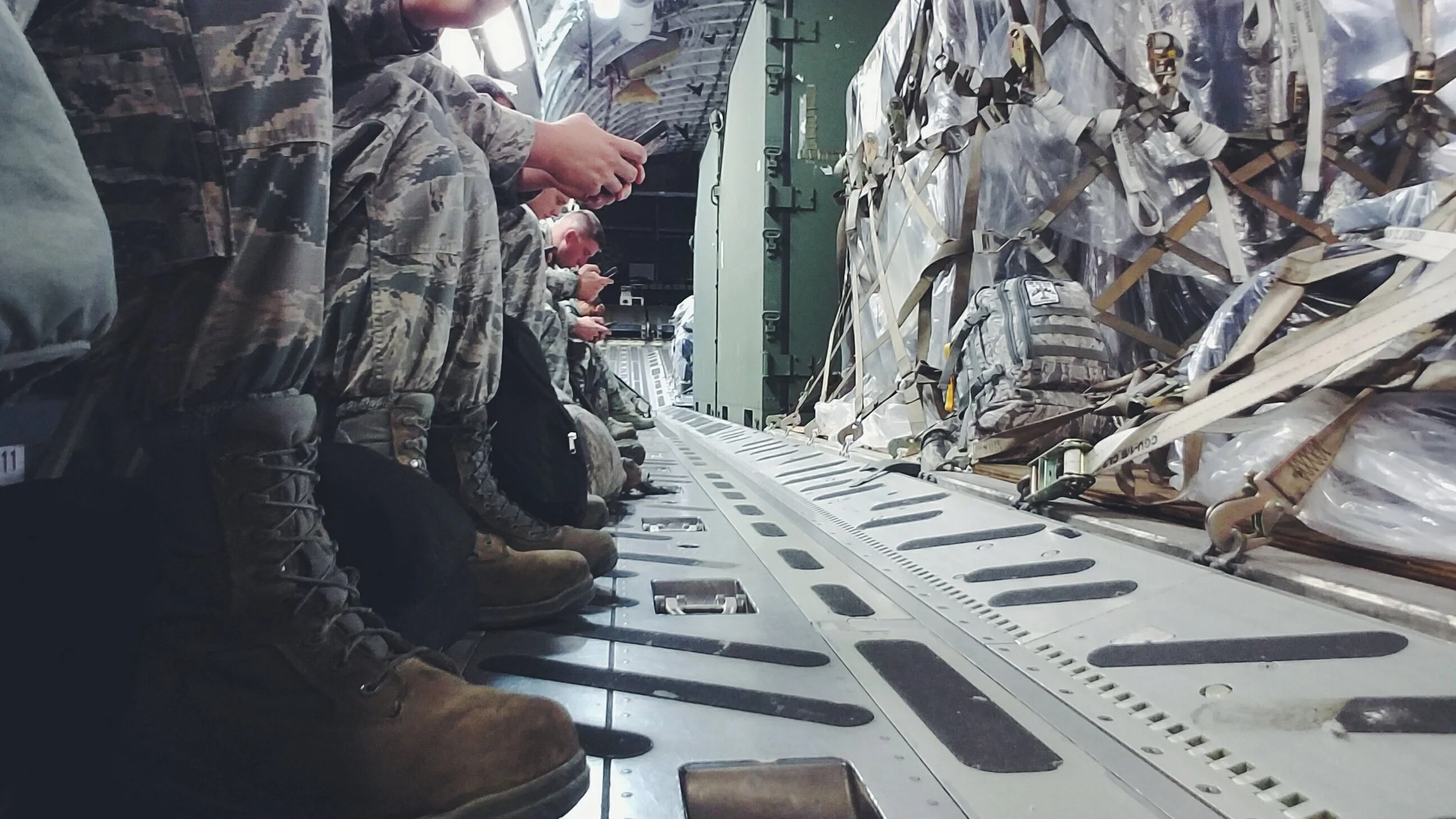
What I was experiencing was an identity crisis. In the enlisted ecosystem I existed in for so long, I could point at my purpose. I understood who I was and how I got there. Everyone around me had a semblance of the same story. Regardless of branch, rank, family status, or otherwise, the identity wasn’t given, it was lived. Stripping that away challenged many of the knowns that had kept me safe to build upon. Now I had to lay a new foundation of my own.
Transitions are tough. Regardless of whether you can see them coming.
The permanent changes that we hold dear are often marked by grief. My transition out of the military came with the average uncertainties that accompany job loss, moving across the country, and saying goodbye to friends. But the identity transition also agitated deep-rooted needs that I unconsciously avoided my entire childhood and took me years to connect back to in therapy. There was something truly powerful in the slow metamorphosis to the fact that it wasn’t until I left the military and my marriage that I had truly “left the nest” to discover who I was as an individual. Not as an Airman. Not as a son or husband or friend. But as myself.
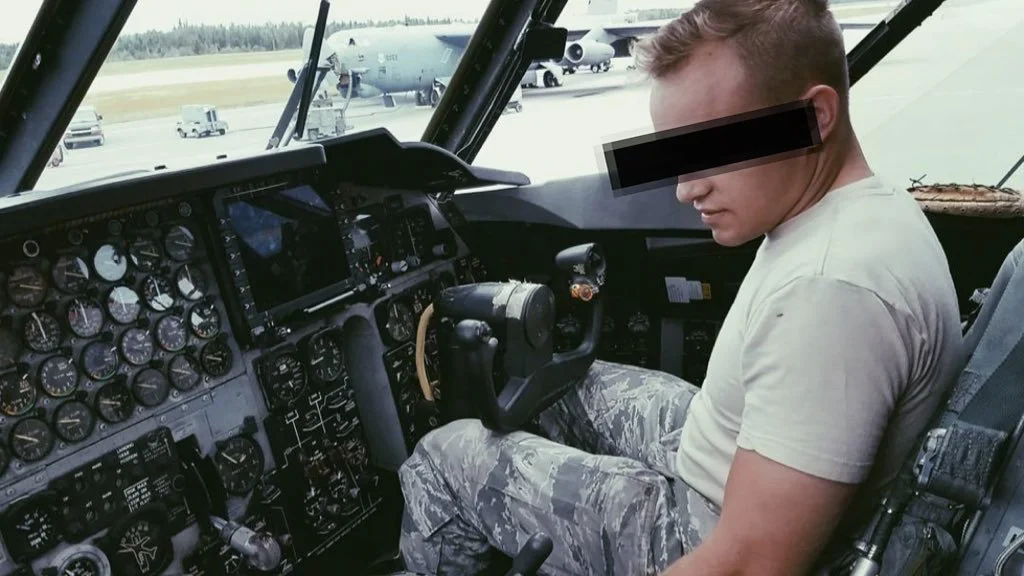
With each minute of each hour of each day, confidence grew. Most of my first year after receiving my DD-214 was shaped by the consistent goal of choosing healthy coping mechanisms over tempting self-destruction. The last thing I needed was to add new variables to work around. I established subtle routines that made my humble house feel like a happy home. I struck up conversations with baristas and barbers to cultivate a chosen community around me as I re-entered college life. I began a part-time job processing benefits at the VA while still managing a growing film business. Slowly, a familiar sense of purpose and connection started to come back.
One of my mentors, Randy Brown, a retired therapist specializing in military veterans, became a lighthouse for me in many of my most troubled times. God bless his soul. He sat beside me for literally hundreds of hours unpacking legacy and ego, the stages of grief, and the focus of what we can control. That work, paired with a growing sense of self, started to reveal who I was to the person in the mirror. It continues to be the hardest and most meaningful work I’ve ever done, and I believe that it started in that office.
There are few occasions in life where someone can draw a clear before-and-after line around events that changed them.
“Here is who I was before this happened.”
“Here is who I am after that happened.”
The pocket of time after hanging up my uniform is one of those significant moments for me. It challenged my outlook on life in a way that I didn’t know I needed. Feeling prepared and being ready were two separate things. Living to avoid failure was robbing me of an ego death that actually relieved me of a story that wasn’t meant for me. I carry the humility of knowing how little I knew into every interaction I have, both personally and professionally.
Transitions are tough. Still.
That is why I am so grateful that organizations like Hire Heroes USA exist. For service members, veterans, and military spouses navigating the uncertainty of career transition, their work offers something practical and deeply human: free, personalized, one-on-one support from people who understand the stakes. That support can look like resume writing assistance, job board navigation, mentorship sessions, mock interviews, or simply helping someone interpret years of proven leadership and resilience in a way the civilian world can understand.
The translation gap can be brutal. Military service gives people responsibility, pressure, leadership, technical skill, and a high-functioning sense of purpose, but the civilian workforce does not always know how to read it. A career spent managing mission-critical decisions can suddenly get flattened into acronyms and job titles that mean very little outside the gate. That whiplash can deepen the crisis. One day, you are trusted with real stakes. The next, you are trying to convince someone your experience has value in a language you are still learning how to speak.
It is a challenge that still exists today and is exacerbated by economic swings, rapid changes in technology, and unrecognizable hiring hurdles in an already competitive marketplace.
So, transitioning veterans often do what they do best by getting resourceful and leveraging support.
I have been fortunate enough to utilize Hire Heroes USA’s services as a client, fund their projects as an alumni donor, and now serve as an official volunteer mentor for veterans and spouses entering their own unique transitions. We review resumes, navigate benefits, and sometimes even bounce business ideas around. But underneath the tactics is something more meaningful. That sense of shared understanding is a language that only veterans speak. It keeps us connected to the community and culture in a way that doesn’t mandate lacing up boots anymore. It is an emotional full circle as I give back through time and wisdom in the way that was given to me.
For anyone facing that transition, or supporting someone who is, my encouragement is simple: do not wait until the identity crisis feels impossible to name before reaching for support. Use the resources. Ask the questions. Simply hold the space to process appropriately. That kind of assistance can become part of the bridge between who we were and who we are still becoming.
My hope is that the identity challenges that veterans face become a more proactive part of the out-processing preparation. Supporting service members can come in many molds, and leaning into the validation of that experience feels transformative.
Ultimately, we all want to feel safe in our chosen tribe. I give credit that the military does that unusually well through much of their archaic programming. Leaving that cohort is only a matter of time for the lucky ones. But that doesn’t mean the identity leaves them.
No matter the reason why someone raised their right hand in a recruiter’s office all those years ago, even the most prepared can continue to fight a silent battle that they never saw coming.
The postings on this site are my own and do not necessarily reflect the views of any company or clients.