

Building a Brand Worth Fighting For
Client: Combat Warriors Martial Arts Gym
Role: Brand Strategist & Creative Director
Services: Brand Strategy, Market Research, Brand Development, Graphic Design, Multimedia Production, Marketing & Communications
Location: Tulsa, OK
Contract Length: March 2025 – Present
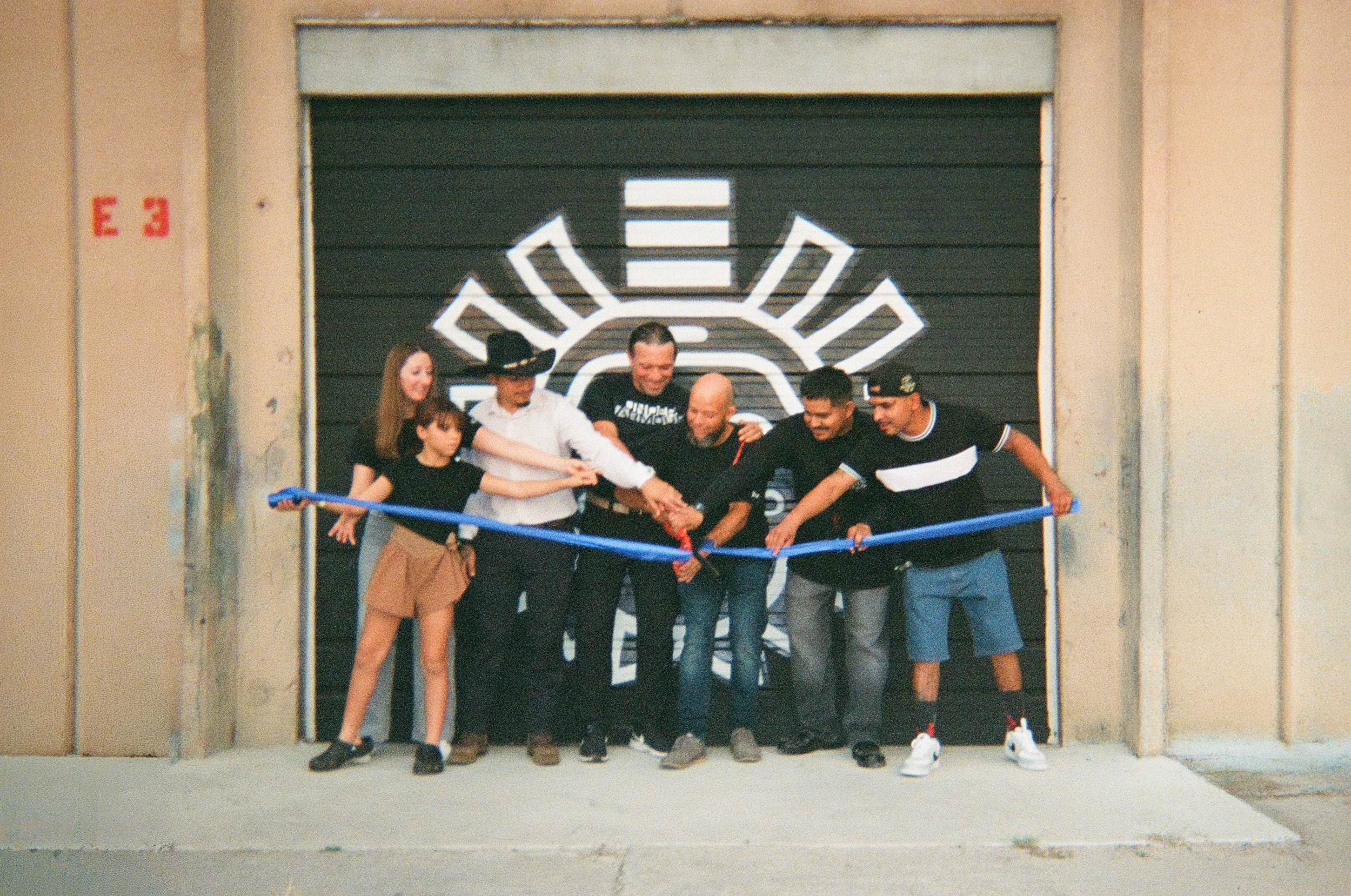
Building a business takes more than fighting spirit. At Combat Warriors, there was already plenty of that. As both a longtime member and the creative strategist behind its 2.0 rebrand, I had the unique opportunity to study a tight-knit combat community I already belonged to. The challenge was translating what made this Tulsa martial arts academy special into a recognizable brand and sustainable business without losing itself in the process.
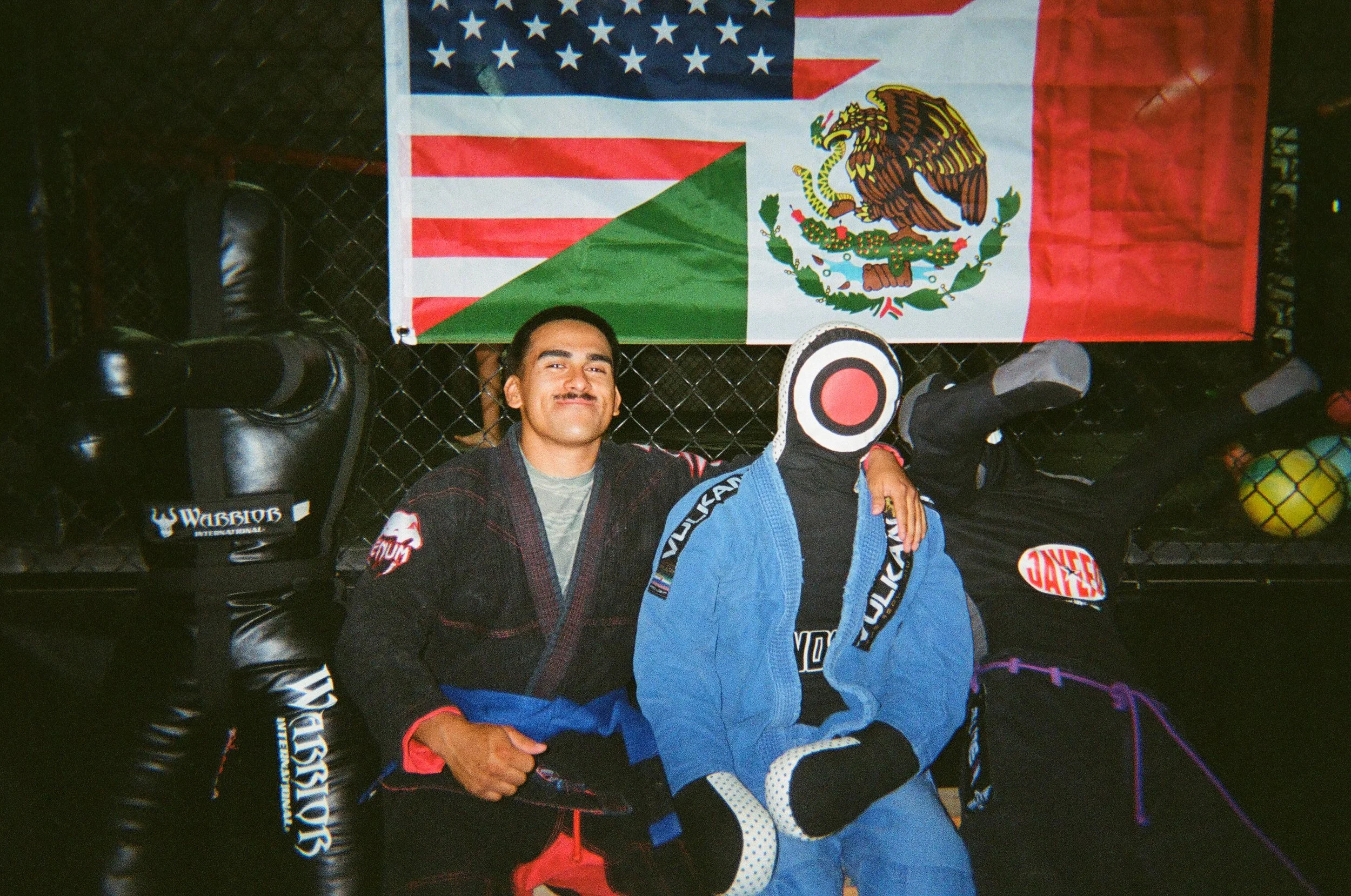
Community. Culture. Combat Sports.
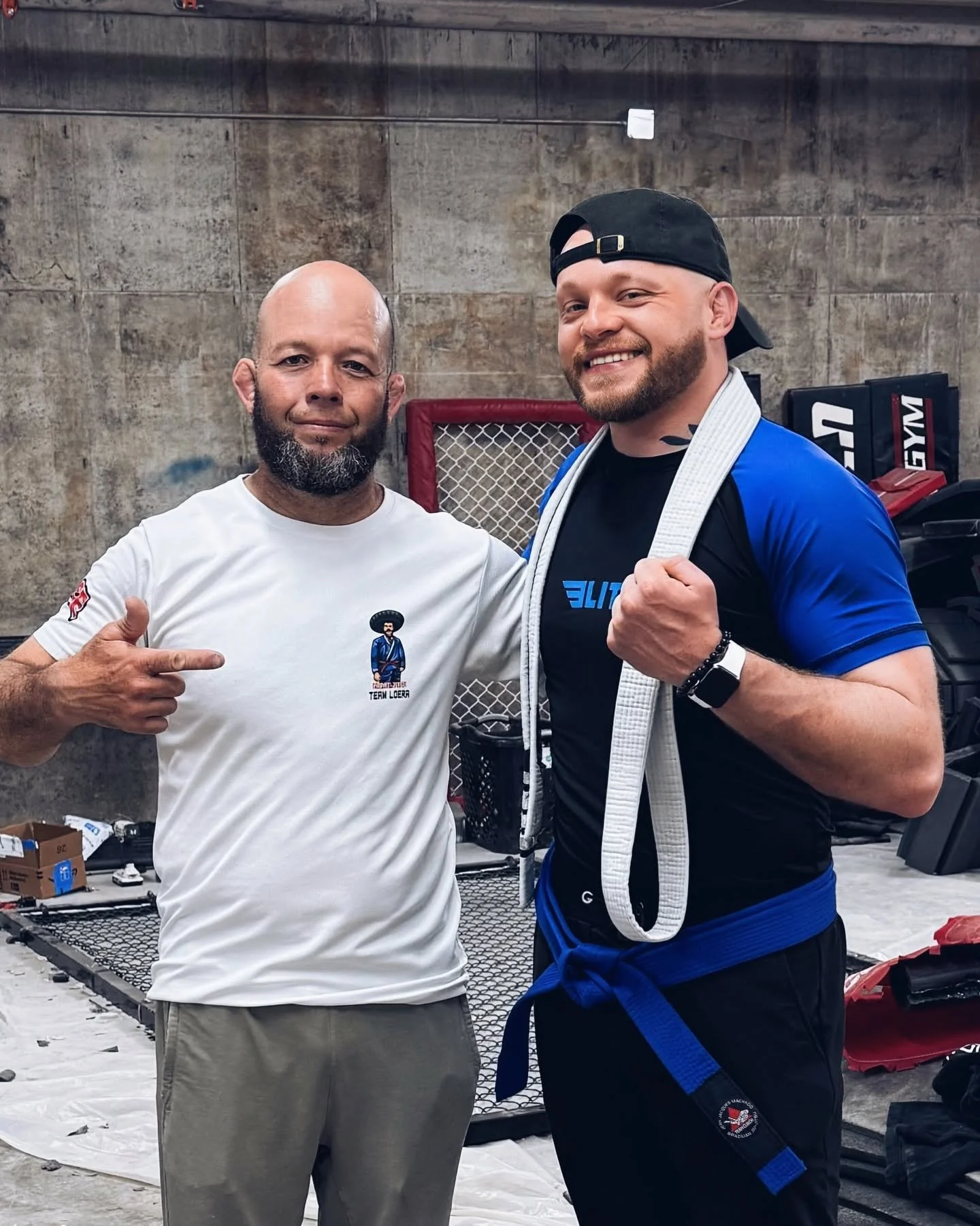
At its core, Combat Warriors is a place where people show up to become better versions of themselves. Some arrive looking for exercise or self-defense. Others come to compete, reconnect with their cultural roots, or simply find a community outside their everyday routines. Under the leadership of head coach Jose Loera, this Tulsa martial arts academy brings those different motivations together through real training, shared discipline, and an unmistakable sense of camaraderie.
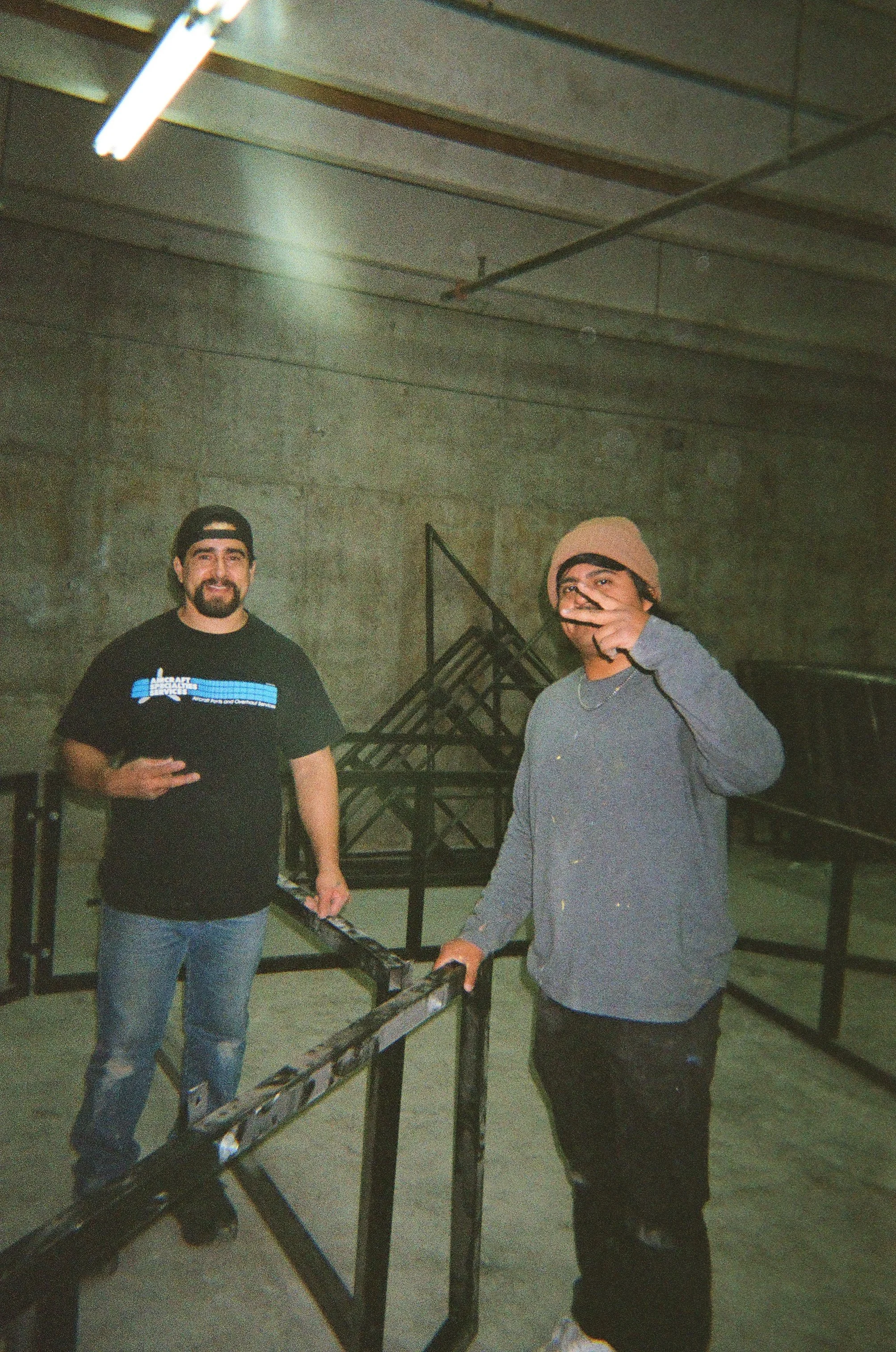
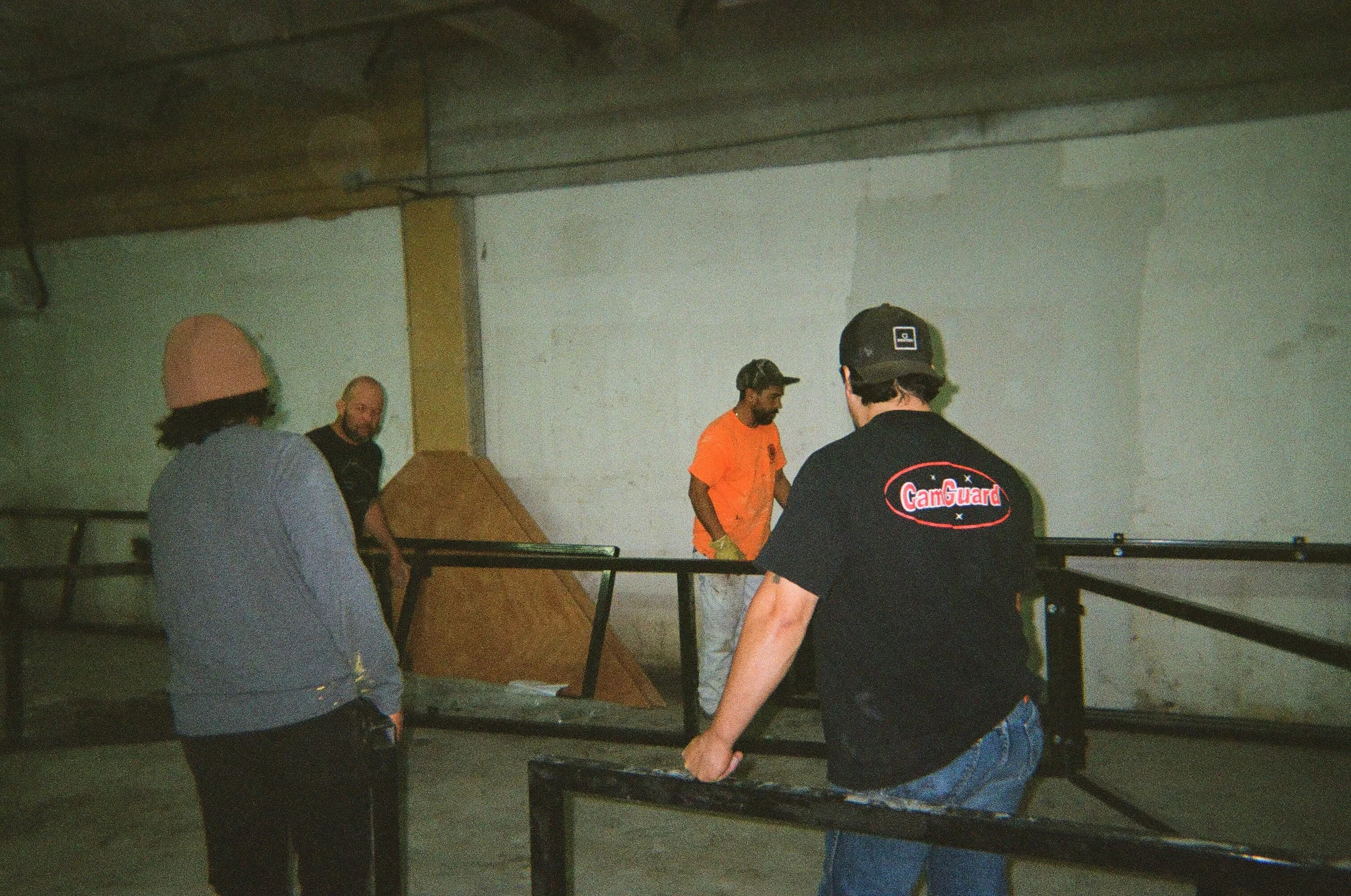
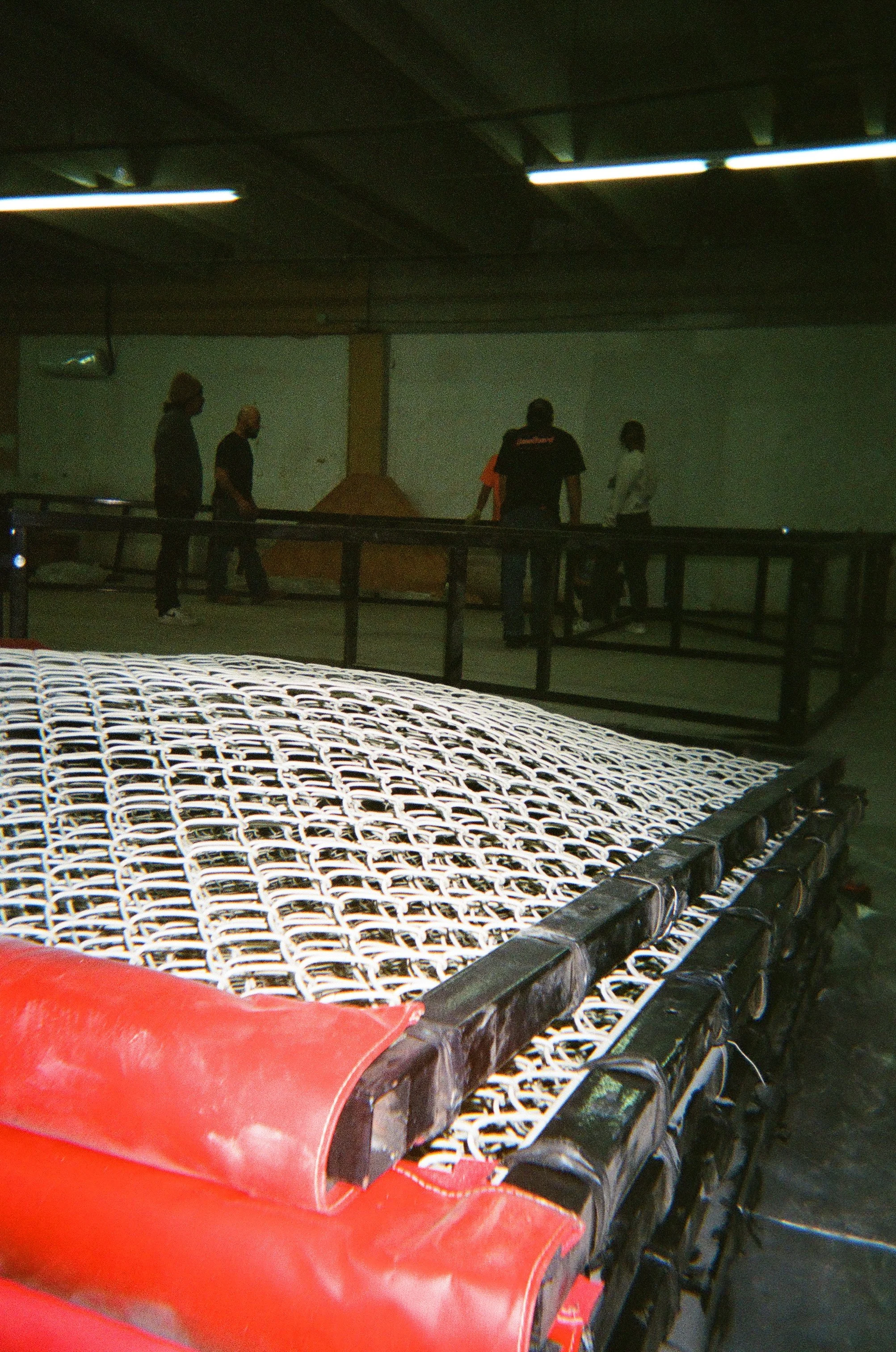
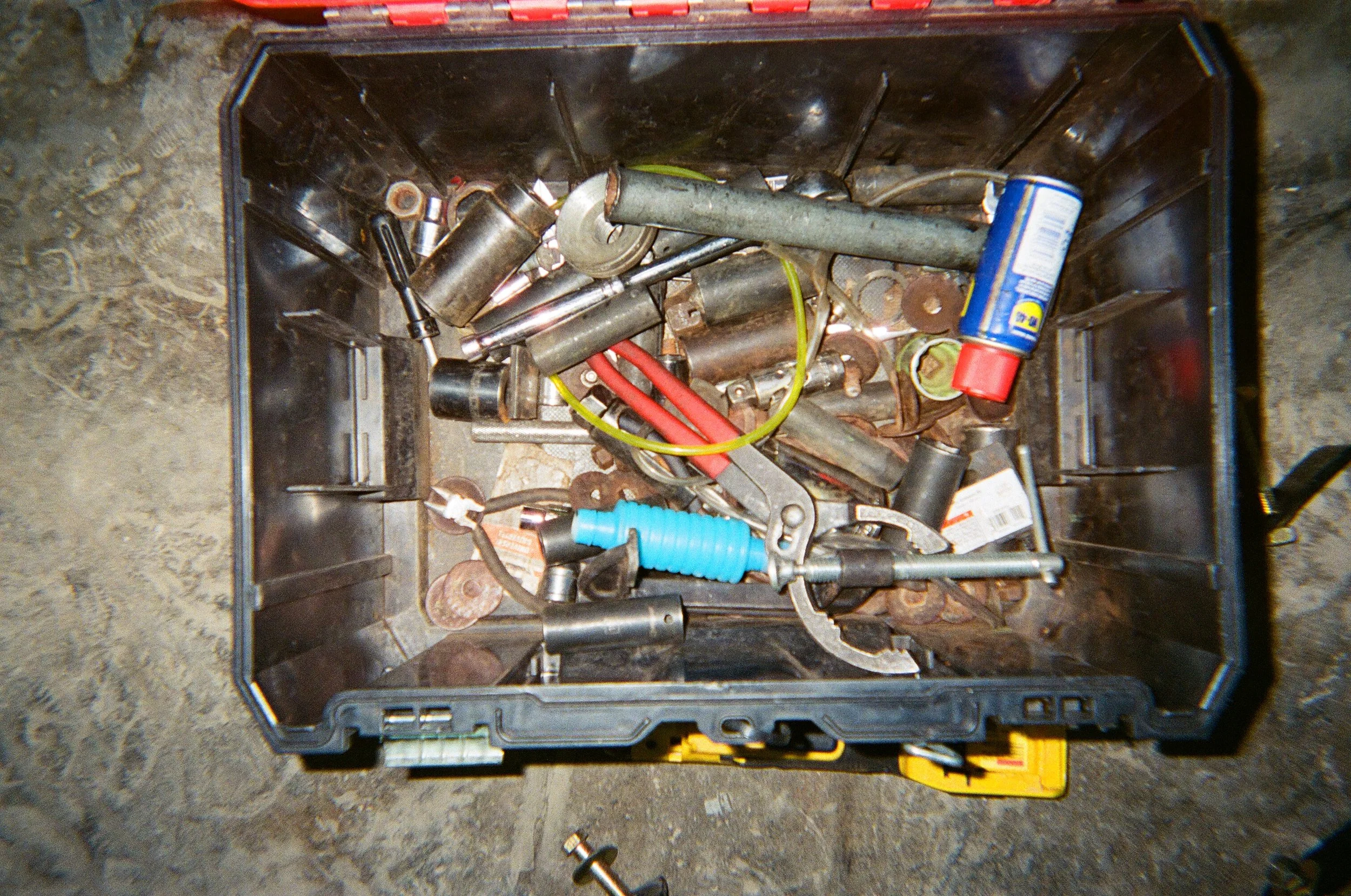
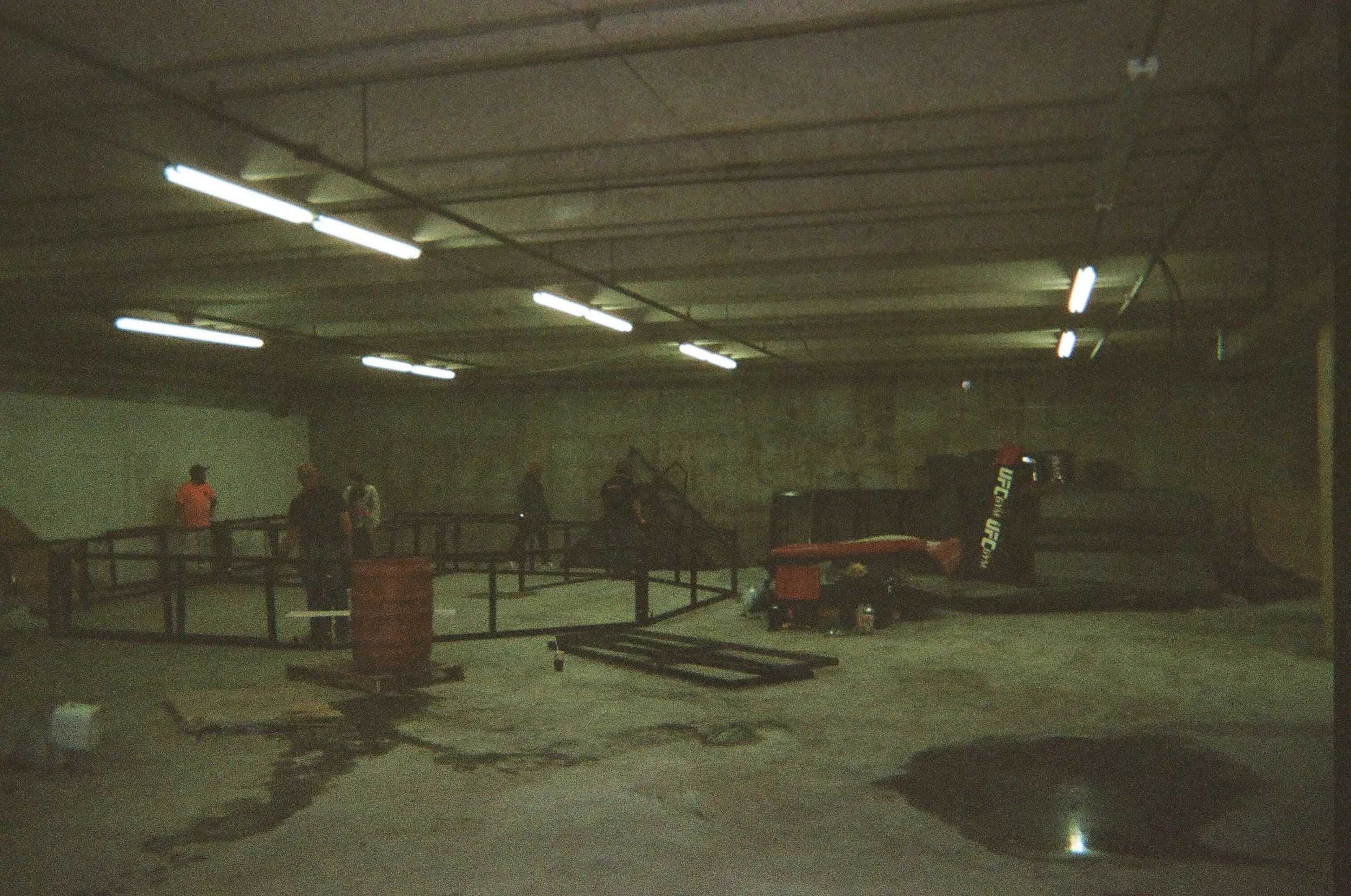
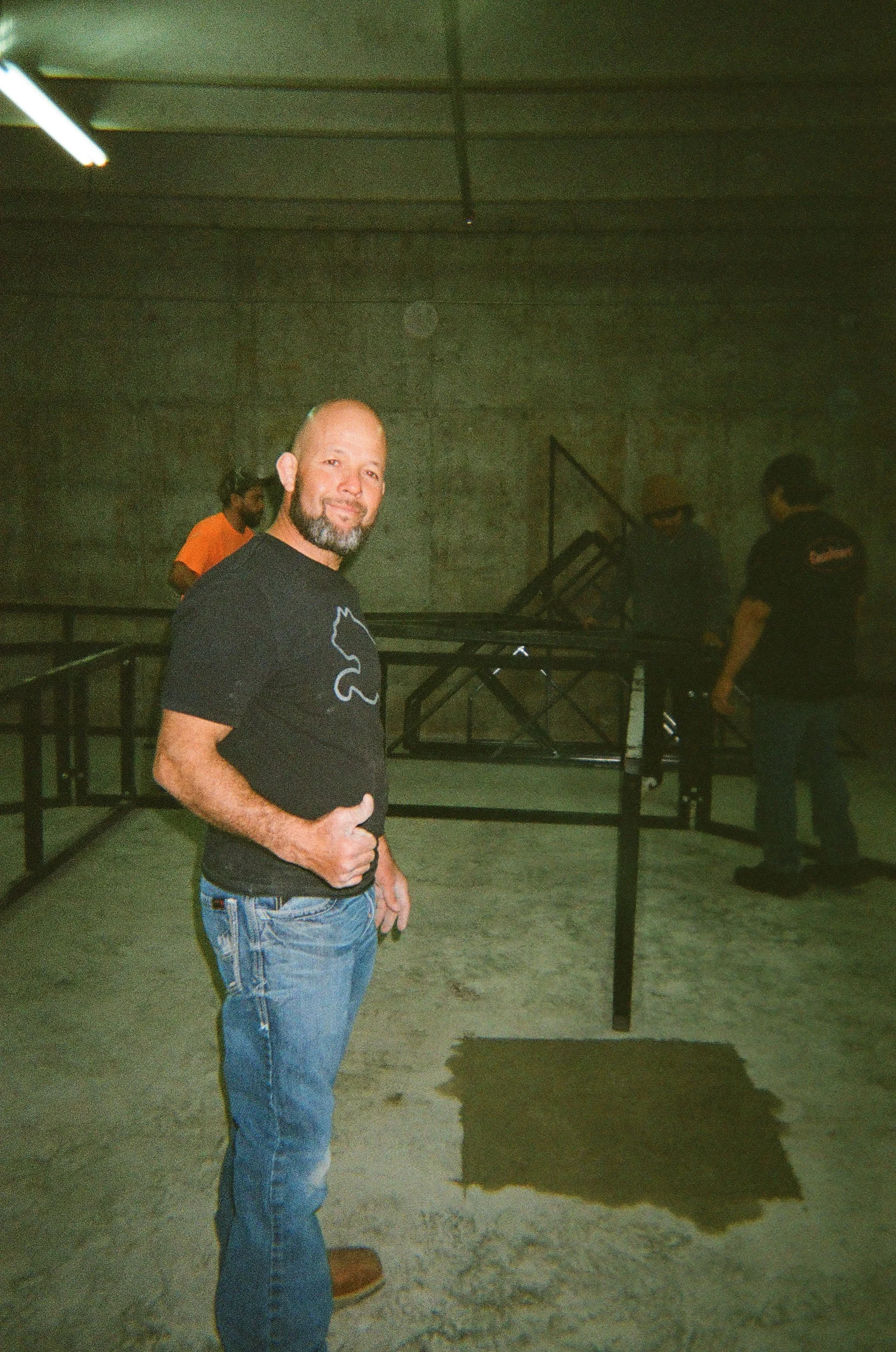
I knew that experience long before I designed anything for the gym. As Combat Warriors transitioned into a new location, members contributed their own skills to help build the space from the ground up. With a background in brand strategy and multimedia design, I saw an opportunity to contribute in my own way.
Through my role at Undercover Influencer, I helped translate the community's existing character into a recognizable brand and marketing infrastructure designed to support the business’ next chapter of growth.
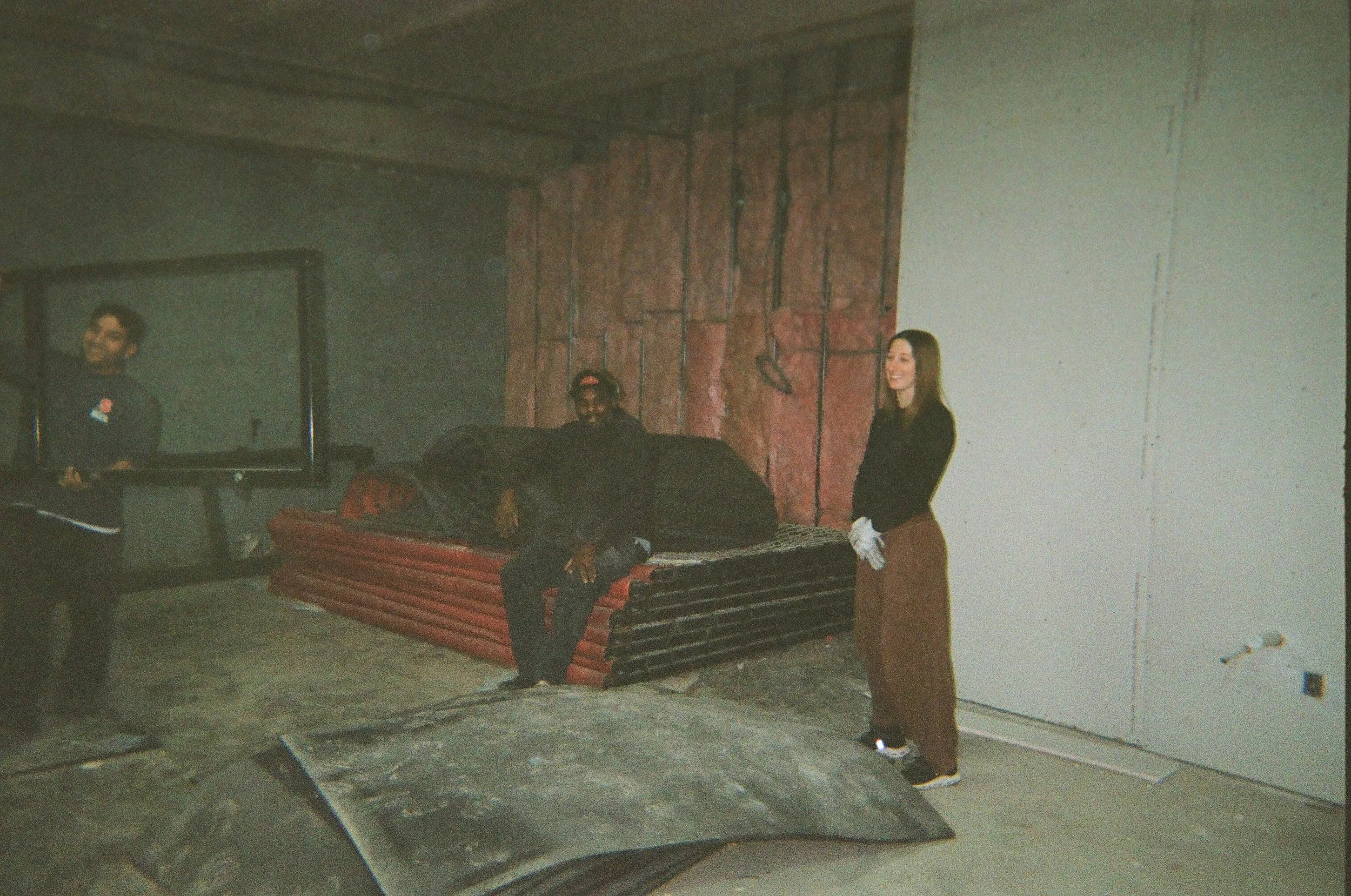
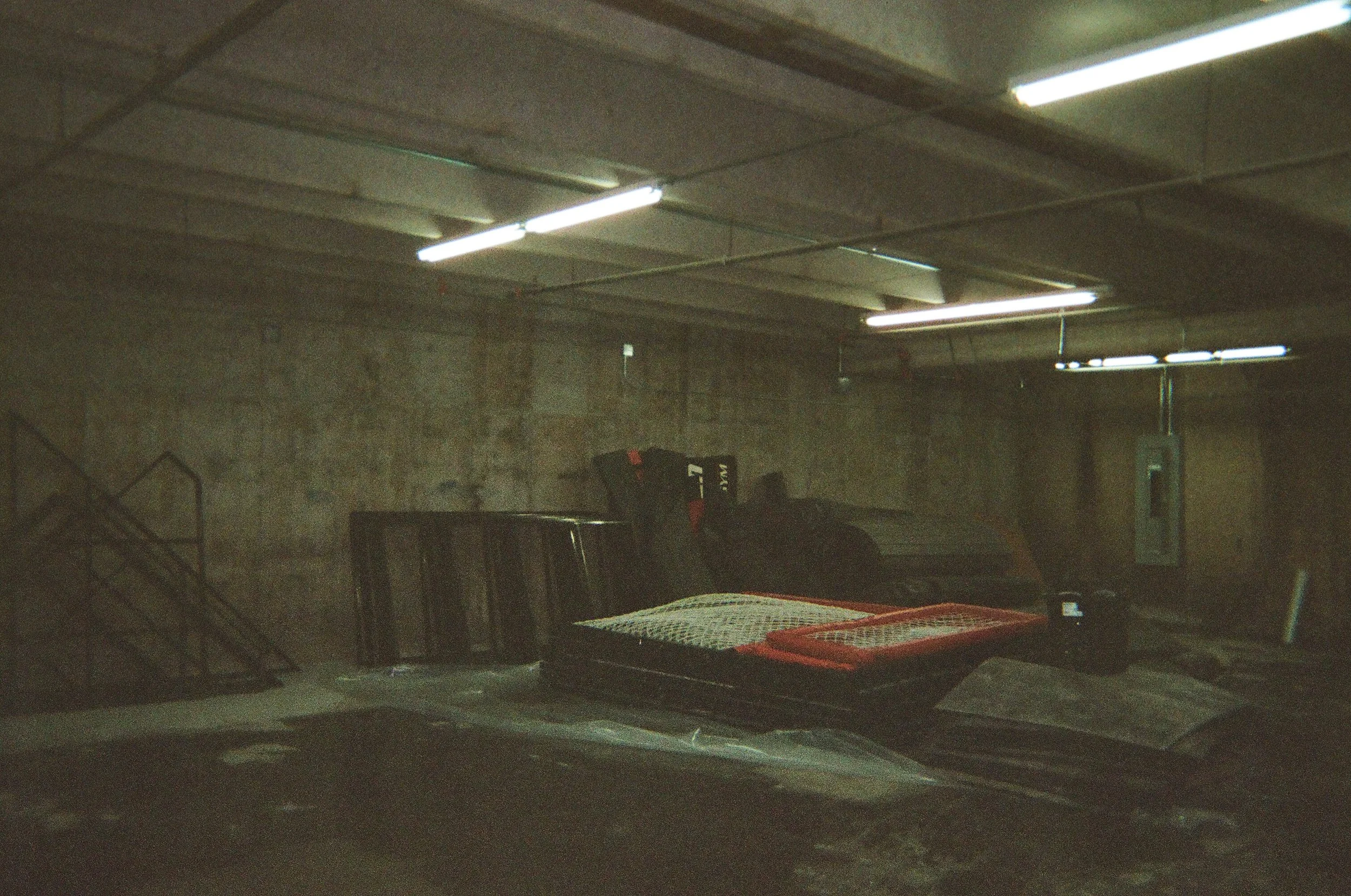
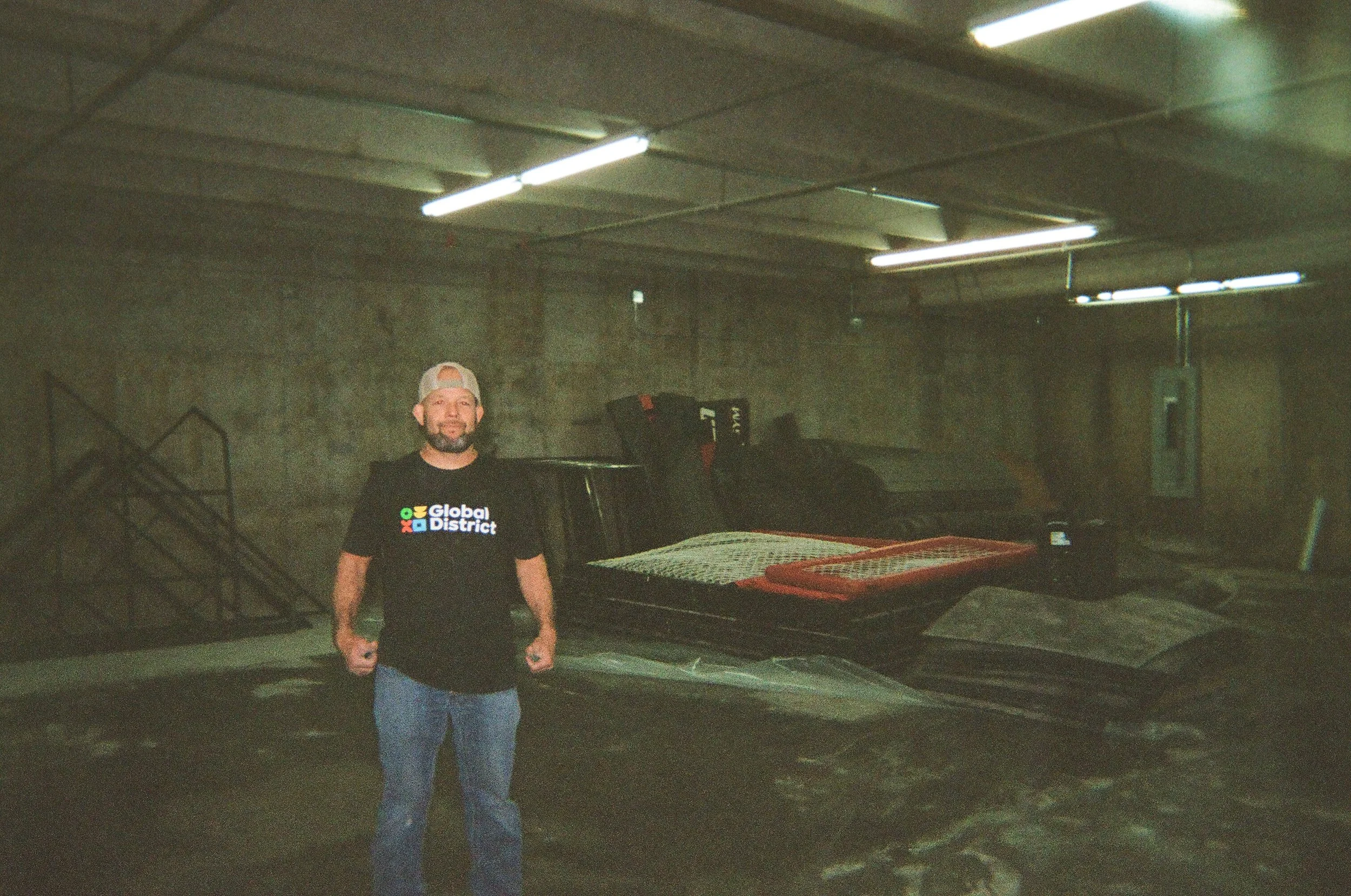
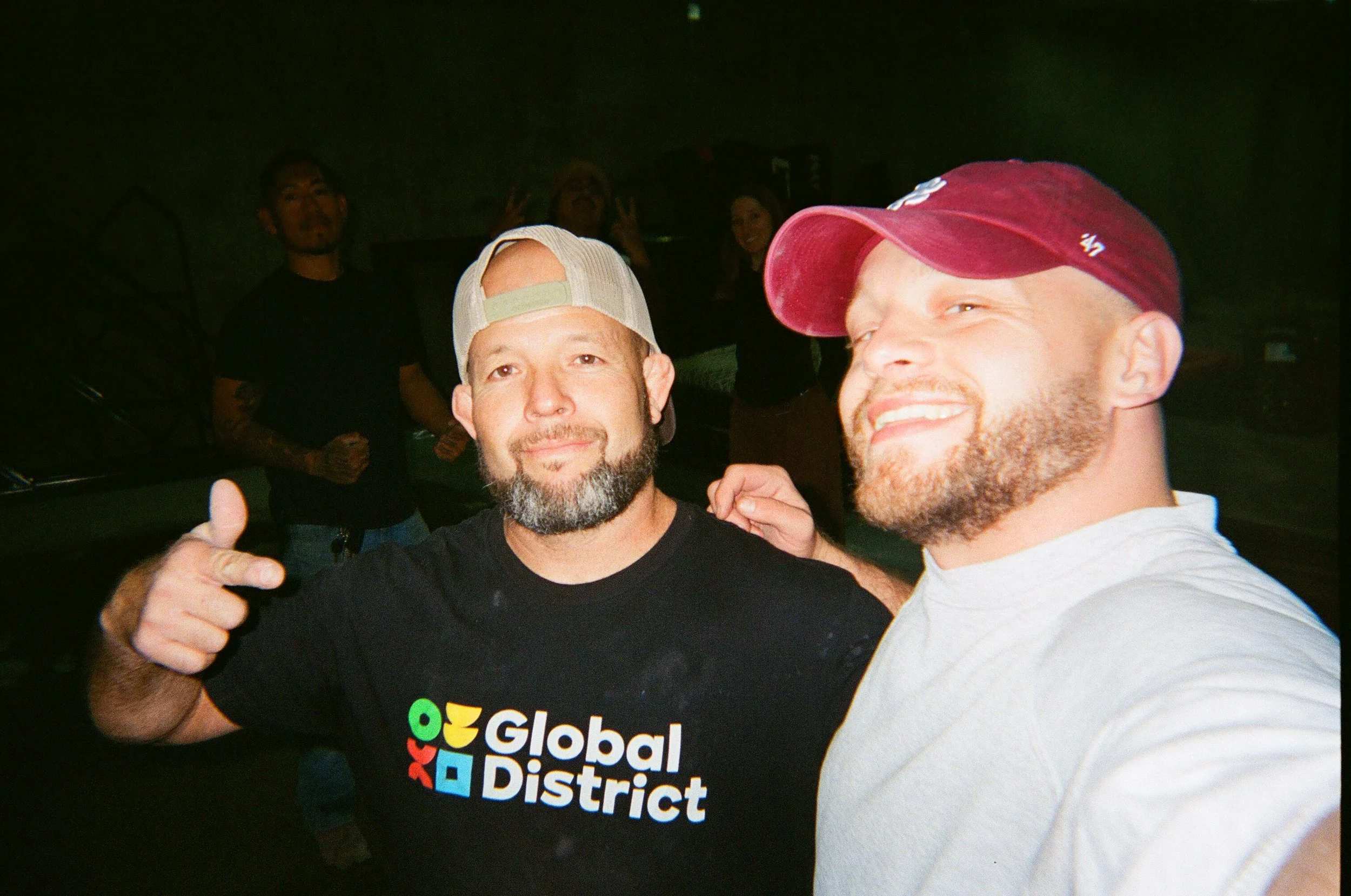
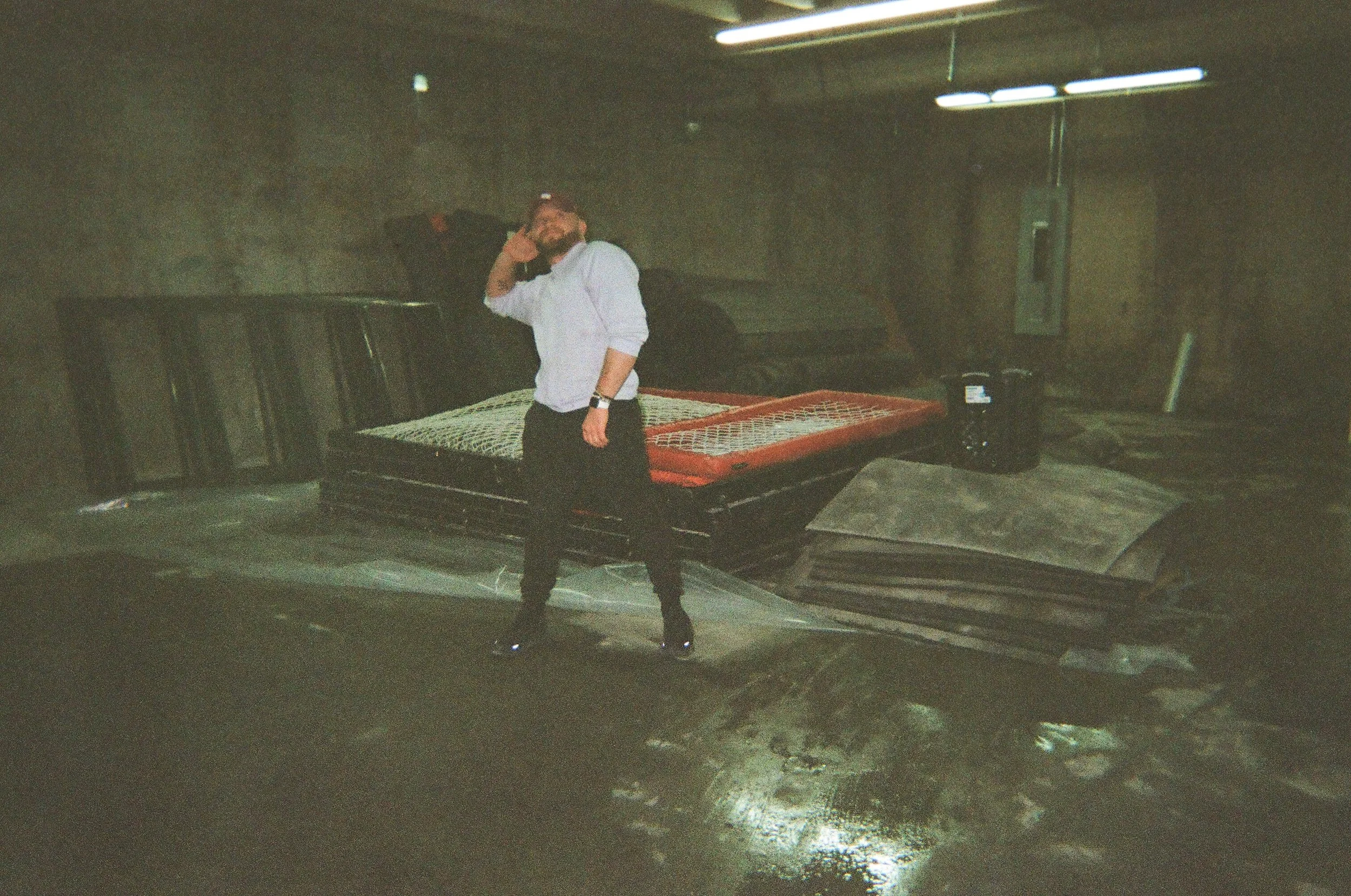
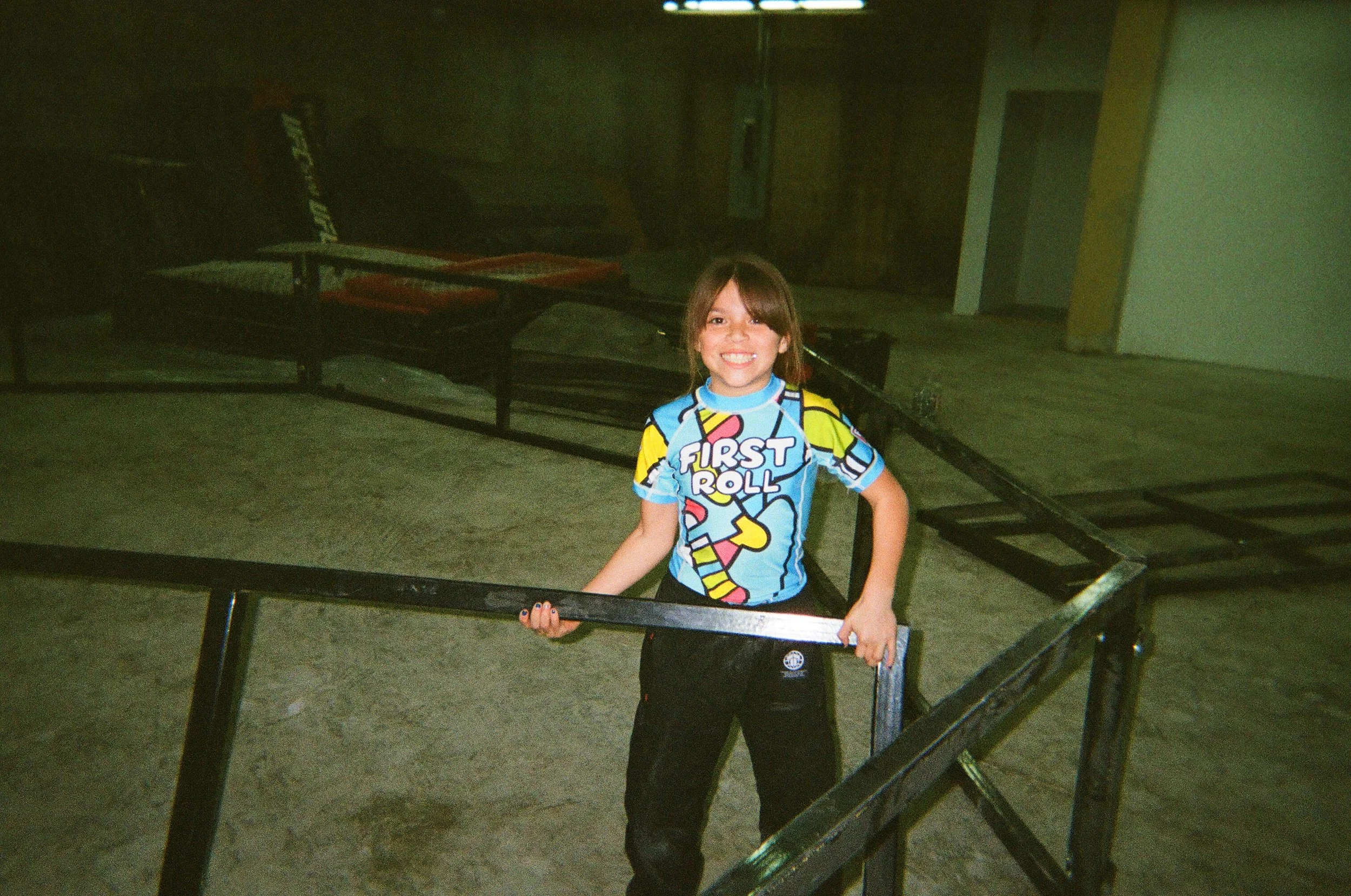
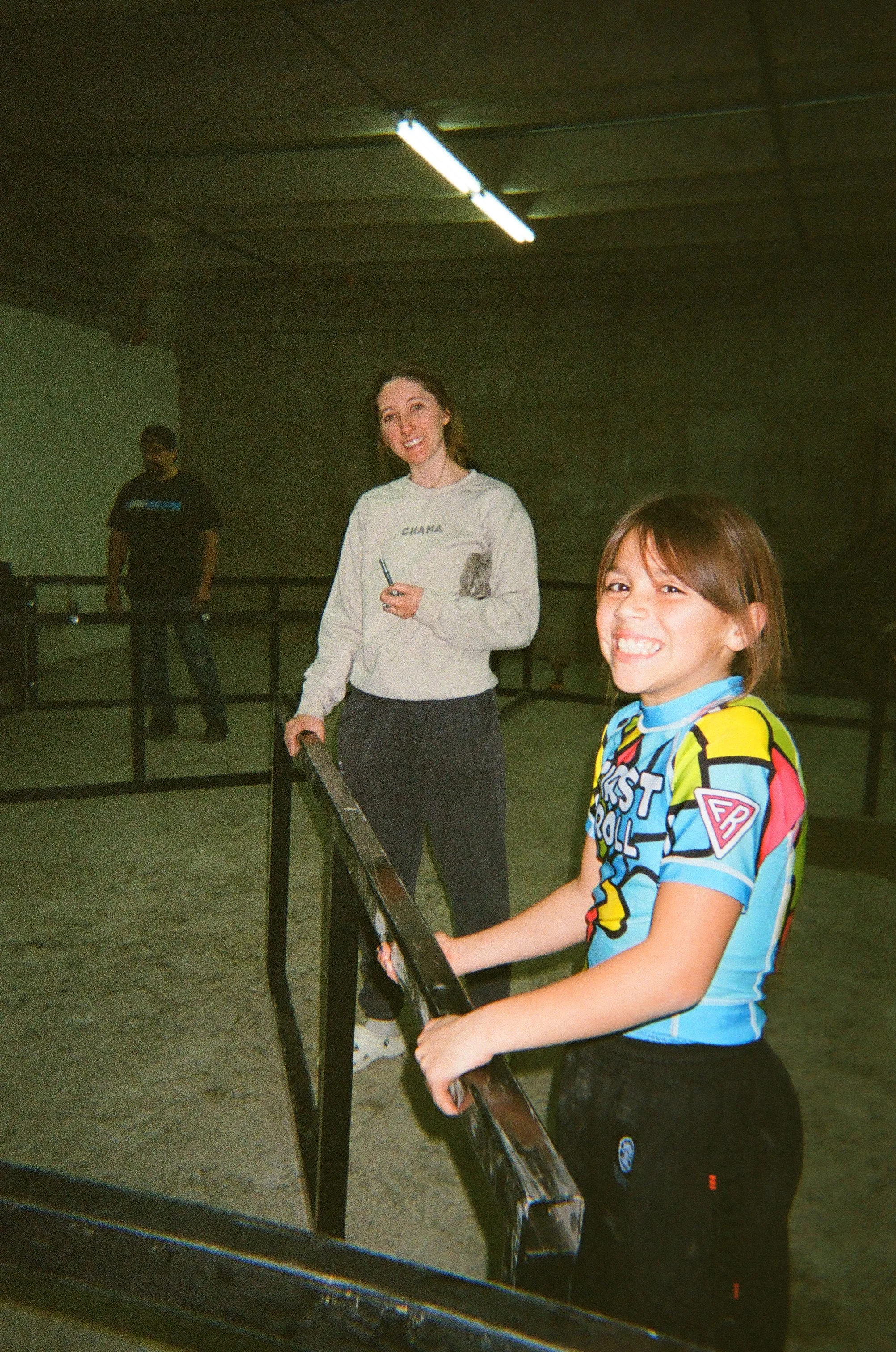
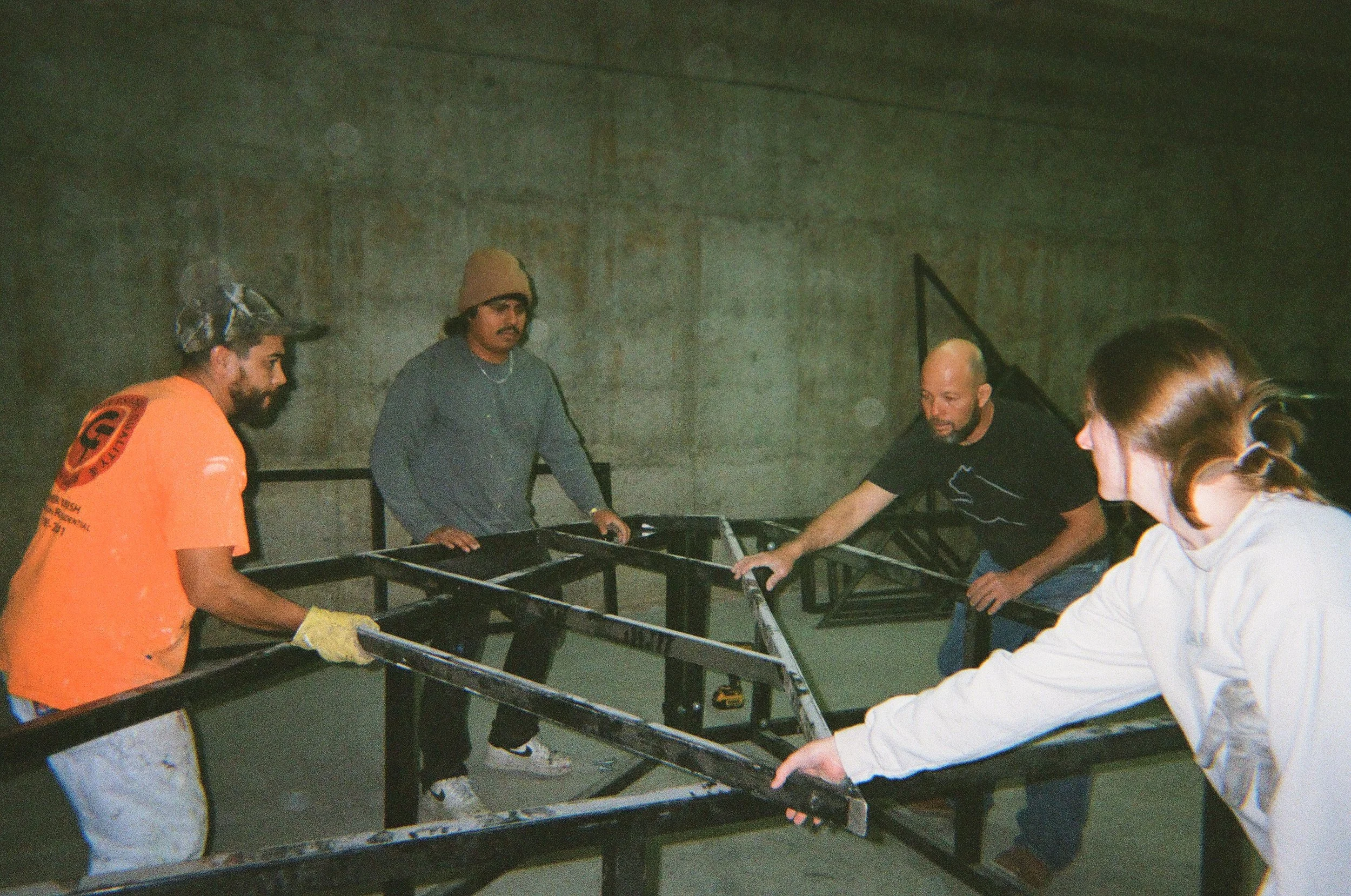
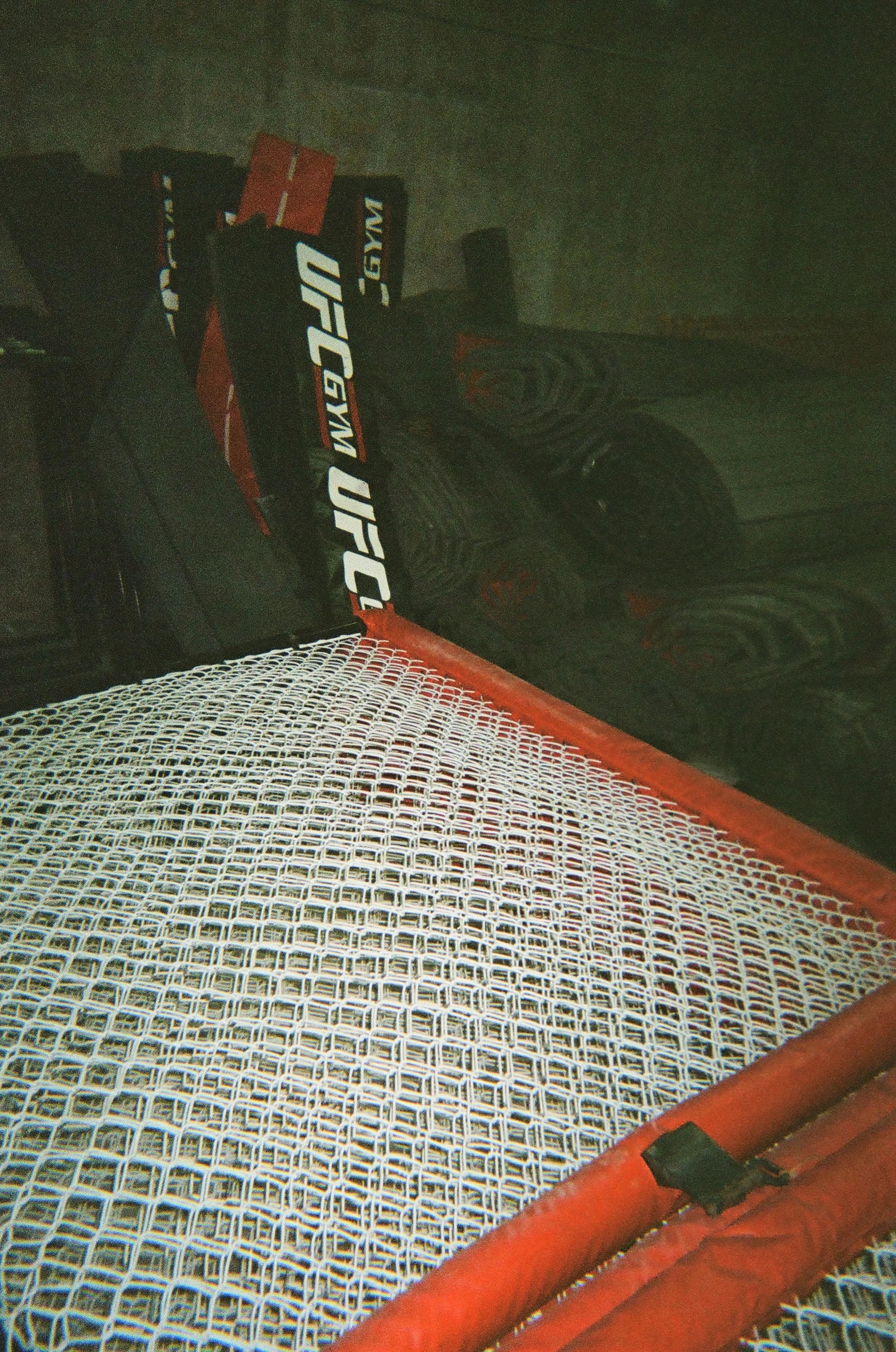
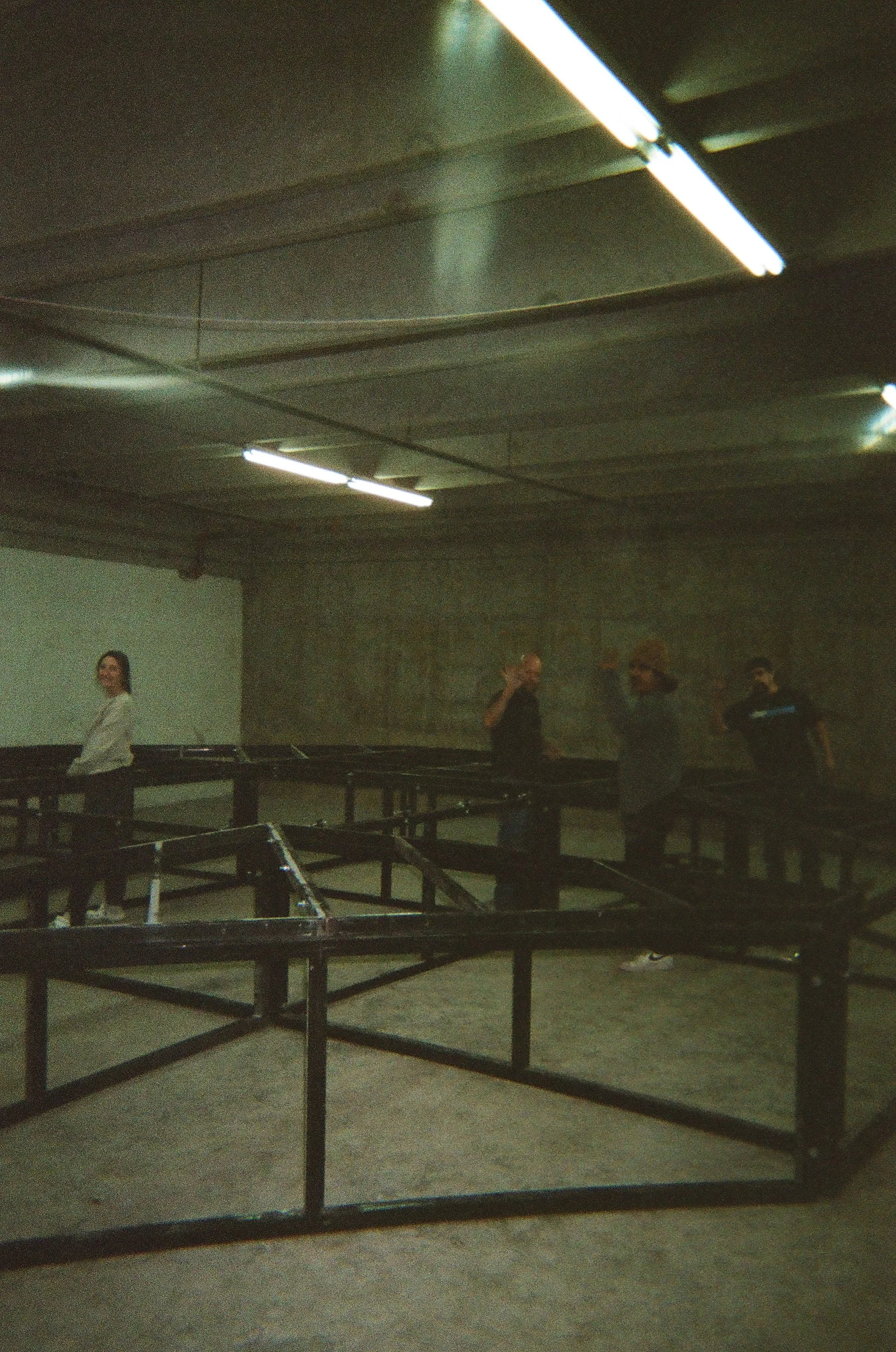
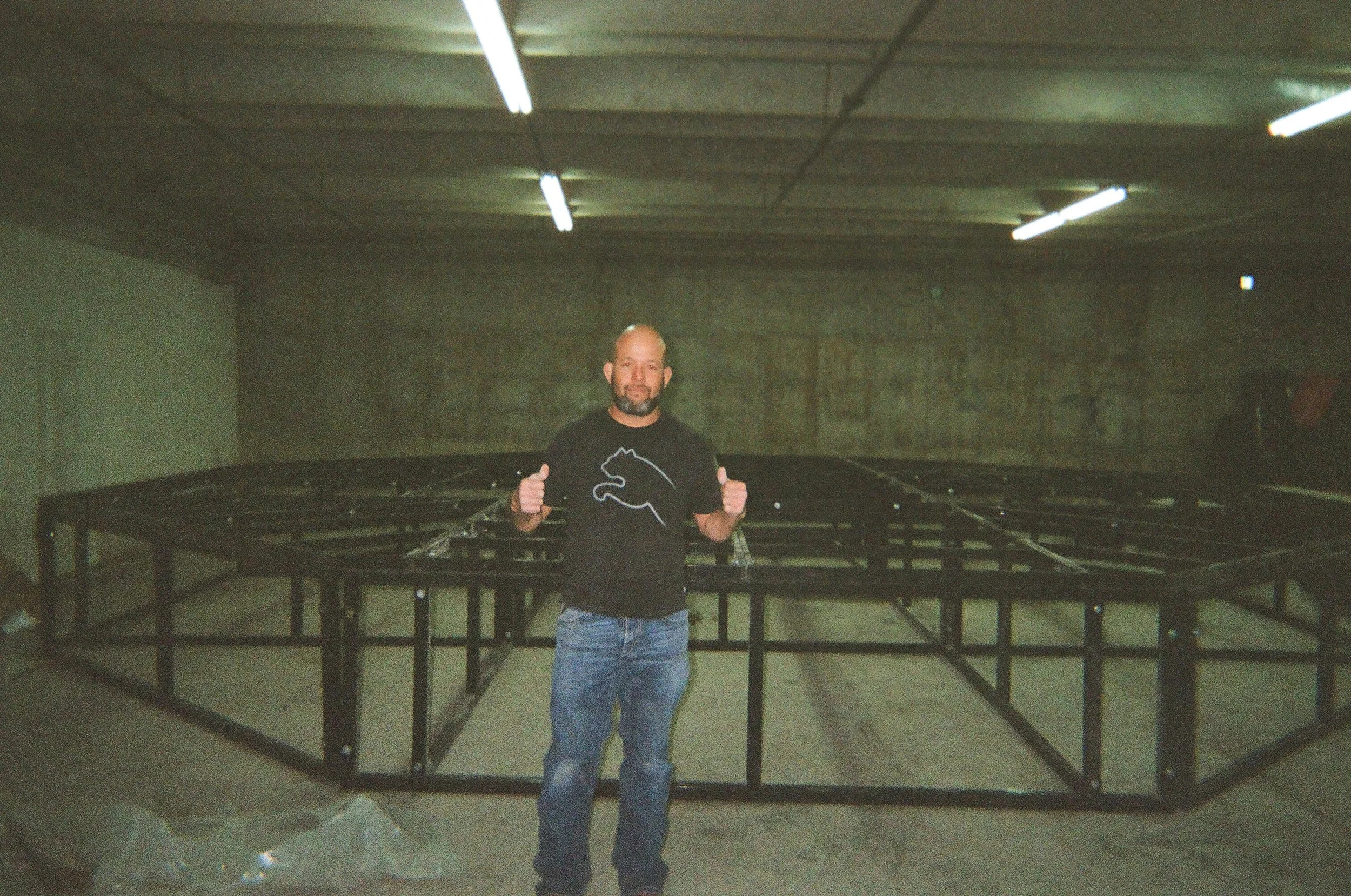
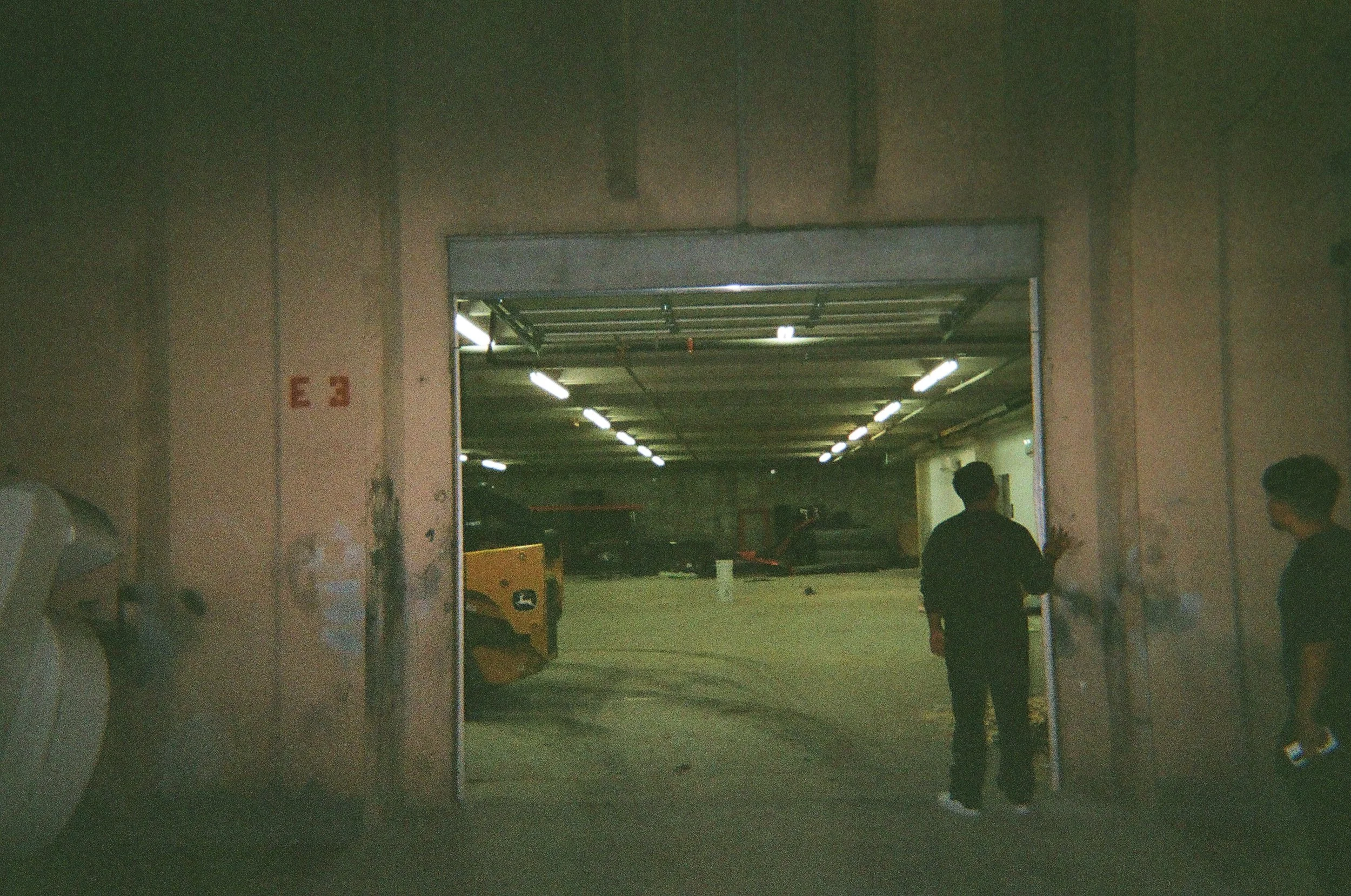
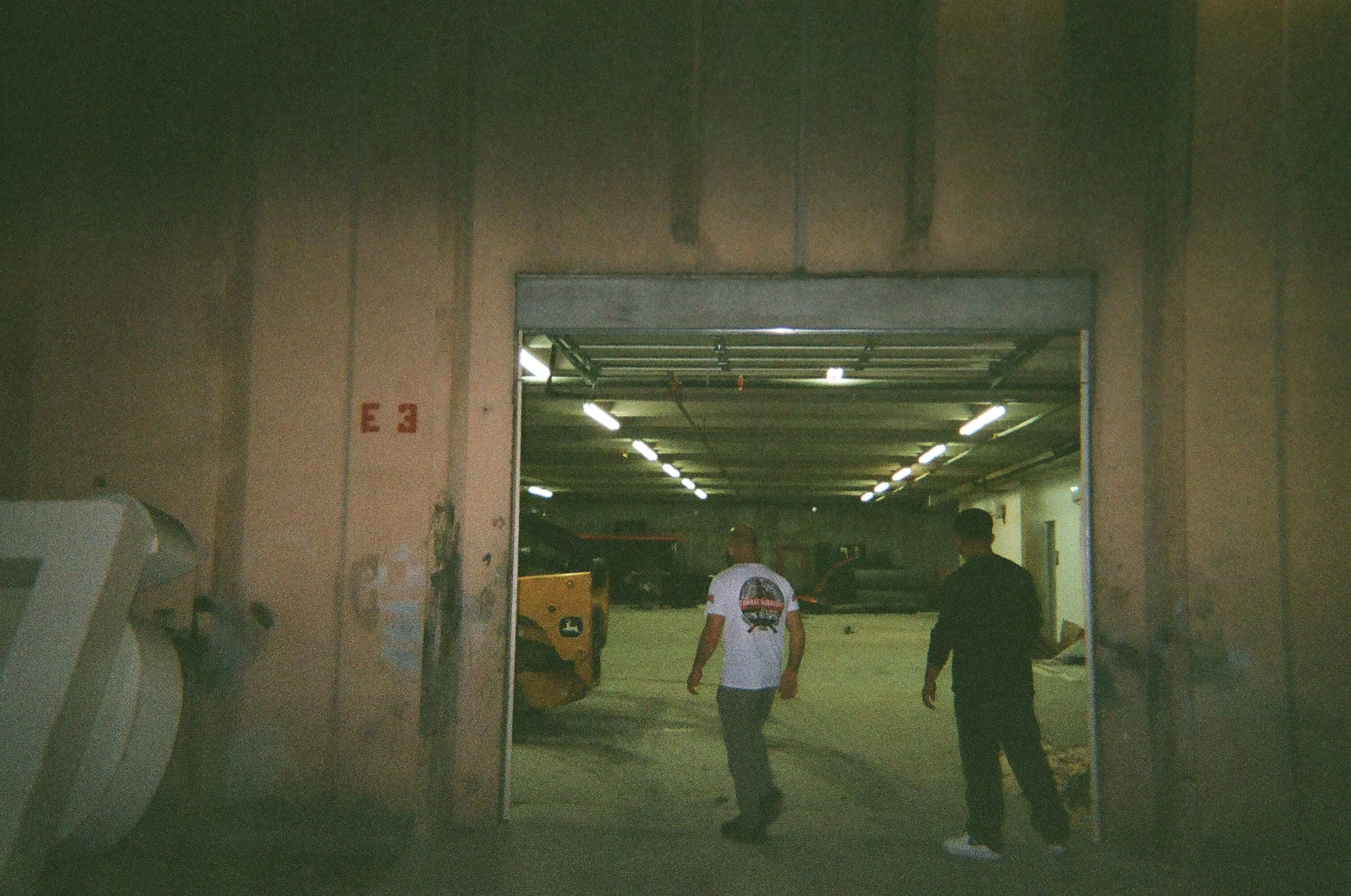
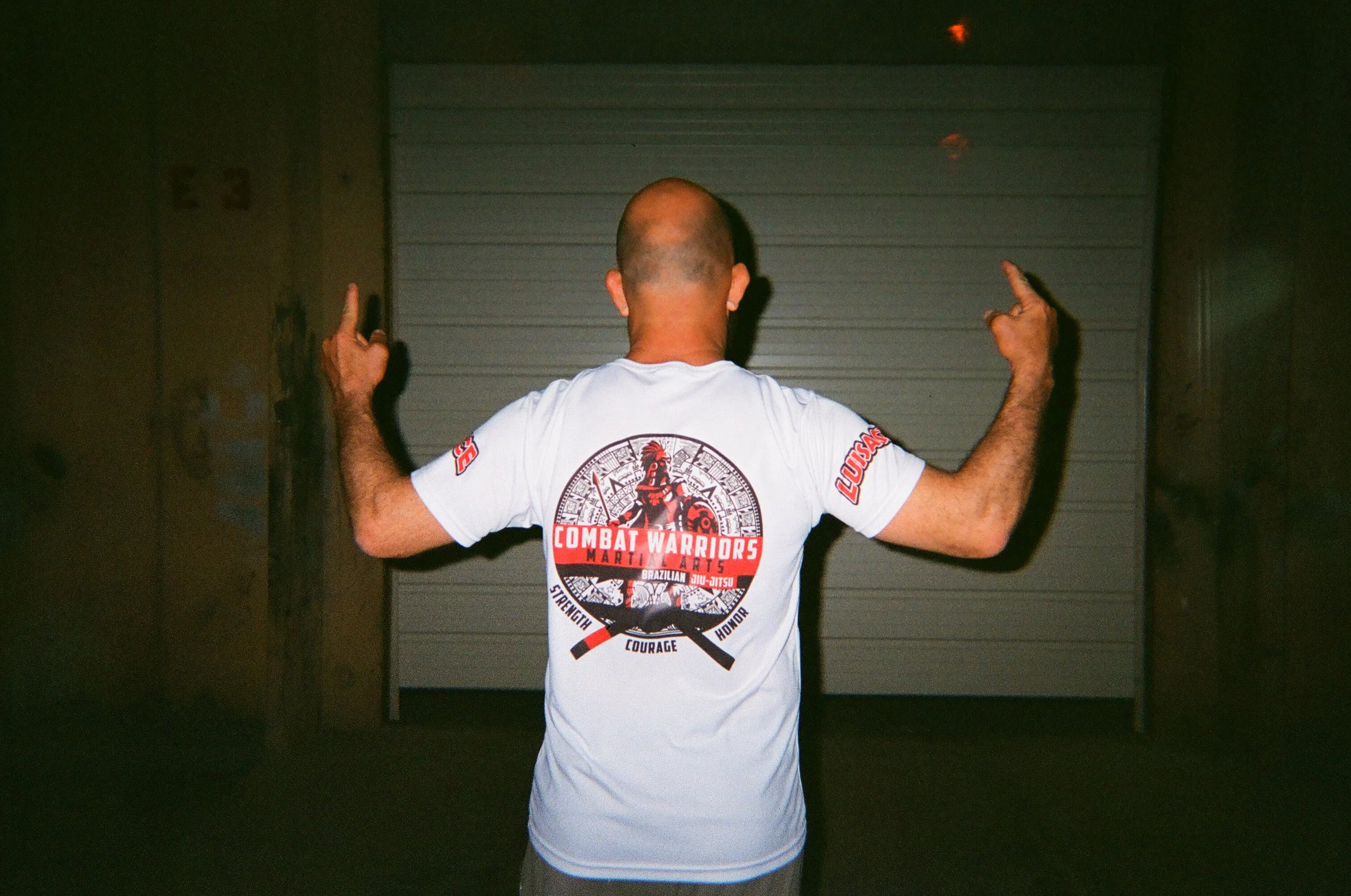
Before I joined the creative team, Combat Warriors already had what many new gyms spend years trying to build — legitimate coaching, loyal members, and a community that genuinely cared about one another. But after years of operating through personal investment and grassroots support, the business lacked the structure to turn that loyalty into sustainable growth. The culture was strong, but its identity, marketing, and commercial positioning hadn't caught up with the people keeping it alive.
The real challenge was sustainability. Combat Warriors didn't need to reinvent what made it special. It needed to understand why people valued the experience and communicate that value beyond the existing membership. Through audience research, competitive analysis, and intentional brand development, the opportunity was to turn an established community into a recognizable business without sacrificing the relationships that made it worth joining.
-
Navigate language and cultural barriers while preserving an authentic Hispanic-rooted identity that welcomes everyone.
Scale a gritty, tight-knit fight club atmosphere without sacrificing the personal relationships and community that define it.
Develop a recognizable, accessible brand system that members and coaches can confidently maintain, personalize, and govern independently.
-
Limited grassroots funding and volunteer-driven resources typical of an emerging small business.
Fixed brick-and-mortar location within Tulsa’s Global District, requiring locally relevant outreach and positioning.
Bilingual communication needs across Spanish-speaking leadership, members, and prospective audiences.
-
Transform a grassroots community into a commercially sustainable business through strategic marketing.
Differentiate within local martial arts market by amplifying authentic Hispanic ethos and intentional programming.
Build a scalable brand ecosystem that strengthens member retention, inspires organic advocacy, creates new revenue opportunities, and extends impact beyond the mats.
Stronger people on and off the mat.
On paper, I was the Brand Strategist and Creative Director. In practice, that meant wearing a few different hats: researcher, graphic designer, multimedia producer, marketing strategist, and occasionally a jiu-jitsu training dummy. From interviewing members and analyzing competitors to designing logos, developing merchandise, and coordinating campaigns, my job was to help translate what made Combat Warriors special into something recognizable, repeatable, and commercially viable.
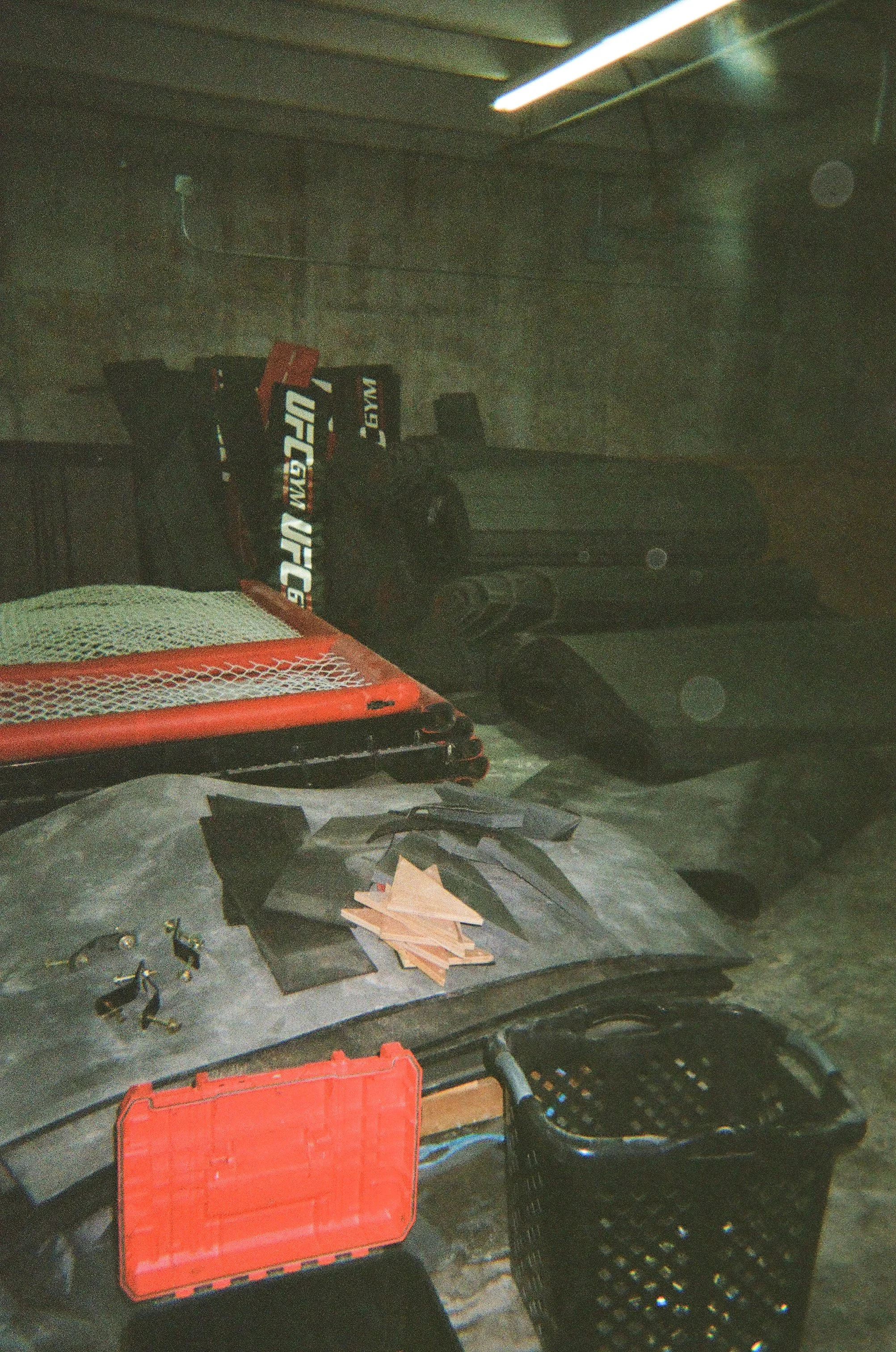
But I was far from the only one putting in work. Coaches, members, artists, and friends all brought their own skills to the table. Some painted murals or helped assemble the cage. Others cleaned the facility, shared feedback, promoted events, or simply kept showing up to train. Combat Warriors was being built by the very people it was meant to serve. I was fortunate enough to contribute my own specialty to that collective effort.
-
Conducting audience research, member focus groups, and competitive market analysis.
Developing brand strategy, positioning, messaging architecture, and visual identity systems.
Designing branded graphics, merchandise, signage, and promotional materials.
Producing multimedia content, from creative direction and photography to video editing.
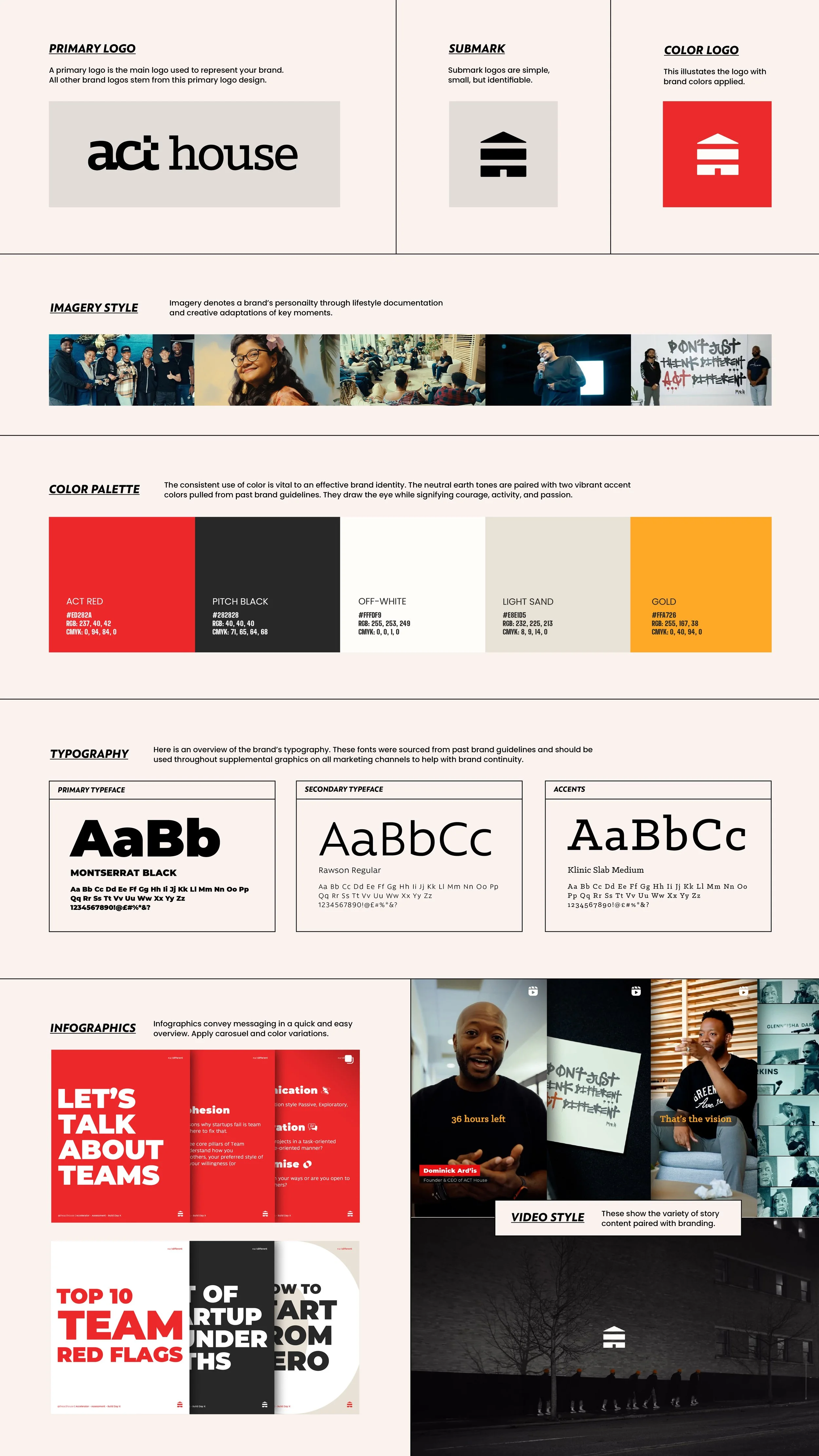
Building scalable marketing systems, brand guidelines, and communication templates.
Coordinating community partnerships, promotional campaigns, and member engagement initiatives.
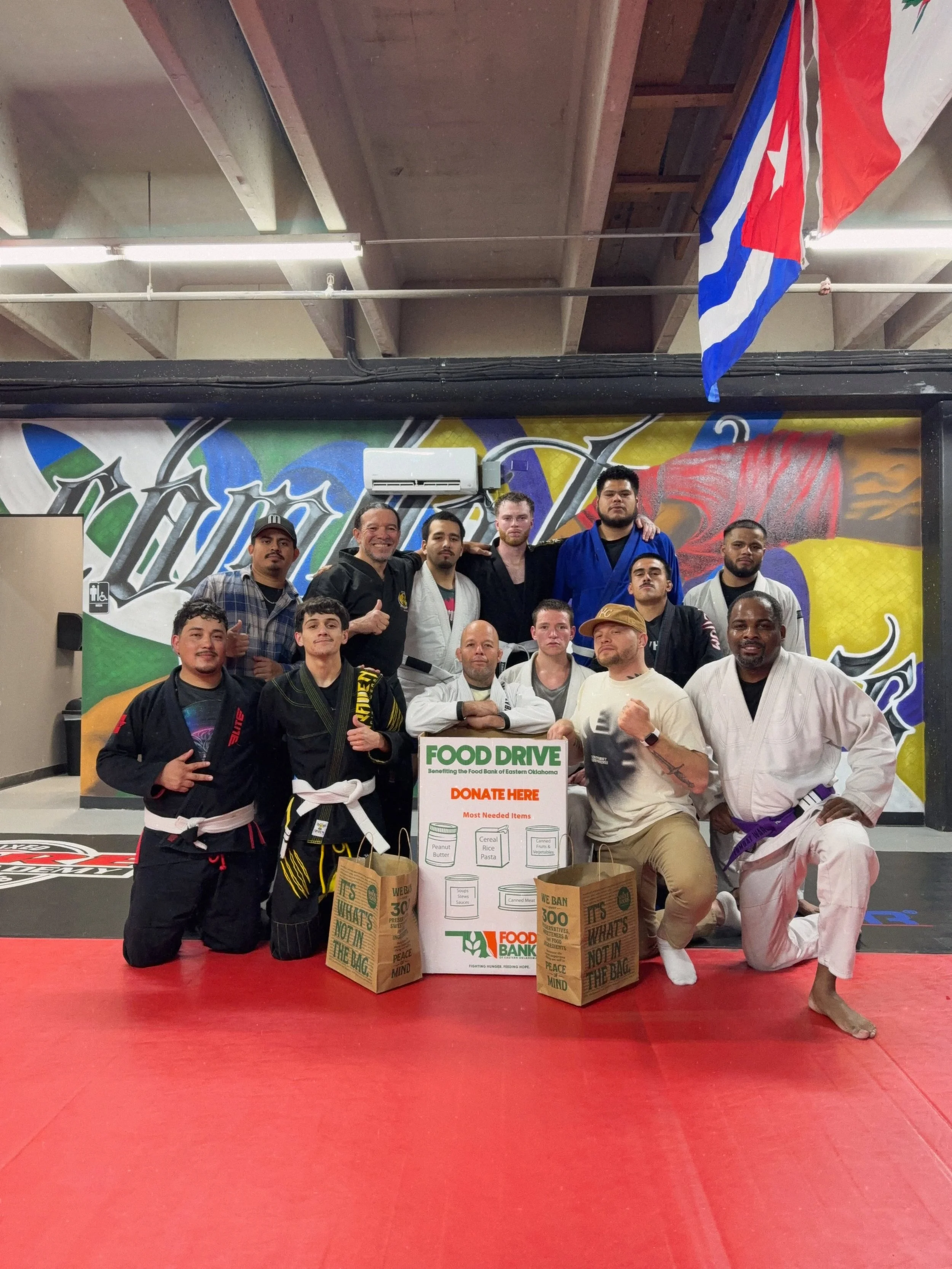
Me
“Clayton doesn’t just make great content; he builds the processes that make great content repeatable. That’s rare.”
Russell Wadlin • Multimedia Design Manager at FCS


Discovering what’s possible.
Before creating anything, I needed to understand how FCS actually serves people — and how more than 70 programs communicate their work under one agency mission.
What I found was powerful but fragmented. With dozens of programs and audiences, storytelling wasn’t aligned under one roof. So I focused on building shared systems: an in-house production studio, unified content pipelines, and cross-program collaboration. Those structures are now helping us break down silos and represent the agency as one cohesive brand with a collective voice.
Studio Build Out
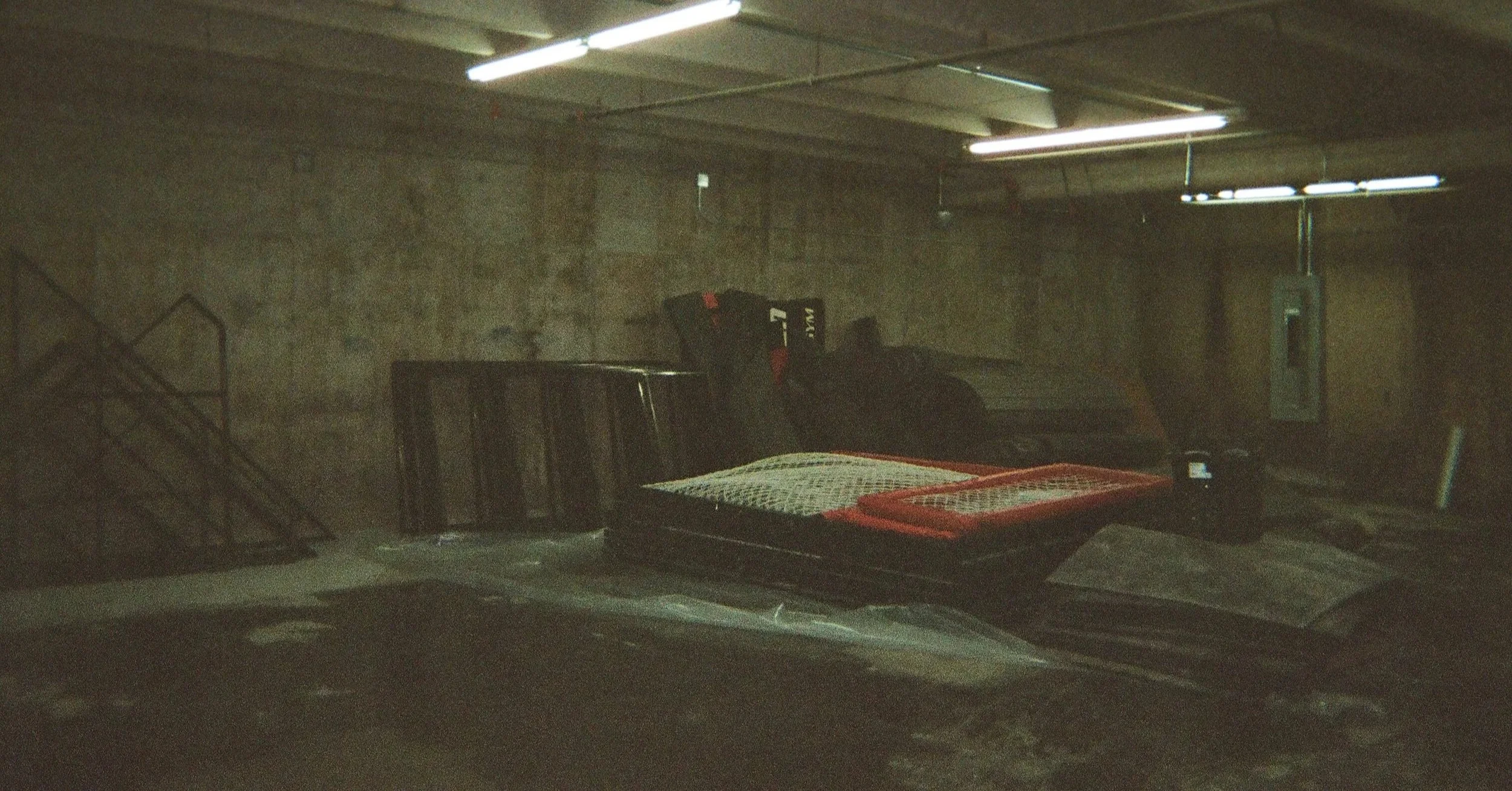
The FCS production studio started as a simple need: a controlled space to produce consistent, scalable content. After early success with OK State of Mind, leadership backed the idea, and we transformed an abandoned medical records room into a full creative hub. I worked with Facilities, IT, and Executive Leadership to manage layout, equipment needs, and budget—turning the space into three core zones: a dual-monitor broadcast station for trainings and addresses; a styled podcast set for roundtable conversations; and a flexible “Auxiliary Room” used for staff headshots, storage, and everything else. The result dramatically increased our capacity, sped up turnaround times, and allowed us to batch work intelligently. The studio now anchors MarComm’s workflow and helps FCS tell clearer, more human stories at scale.
Press the Red Button
-
At FCS, video isn’t just content — it’s access. Every shoot, whether for OK State of Mind, location commercials, or fundraiser event recaps, helps break down barriers around mental health by showing real people and real care in motion. My work has centered on building a system that allows us to create at scale. Repeatable pre-production workflows, modular studio infrastructure, and visual storytelling techniques push us creatively to tie our content together. The consistent presence of FCS videos help audiences understand services and feel connected to the mission.
-
Audio has become a quiet powerhouse in the FCS communication toolkit. From radio campaigns to podcast messaging, high-quality sound gives us a way to reach audiences who may never scroll past our videos or walk into one of our buildings. I’ve helped build consistent audio workflows that support brand voice. These recordings strengthen our mission by meeting people where they already are — in their cars, on daily walks, or during morning routines — making mental health guidance feel accessible and familiar. Audio is intimate; it builds trust. And for many listeners, it becomes the first step toward care.
-
Photography has quickly become an essential layer of our content ecosystem — offering a flexible, lower-lift way to capture real moments across programs, events, and client-facing spaces. Simply put, great photos help people see the impact of whole-person care. We also stood up an in-house headshot process inside our auxiliary studio, where we now produce professional-grade portraits for staff across 1,400+ employees. It’s efficient, cost-saving, and deeply aligned with our mission: when people feel represented with dignity, they feel connected to the work. Photography lets us honor our team members and tell stories that might never make it into a video — but still matter just as much.
Women in Recovery
Women in Recovery (WIR) is one of FCS’s most powerful programs — a nationally recognized alternative to incarceration for women facing long prison sentences. Backed by the George Kaiser Family Foundation, WIR provides mental health treatment, substance use recovery, workforce training, and family reunification to help women rebuild their lives. The outcomes speak for themselves: generational cycles of incarceration are broken, mothers return to their children, and Tulsa communities become safer.
I supported one of WIR’s most successful graduation ceremonies and was later nominated to the WIR Graduation Committee. Now, I help reimagine how the program celebrates its participants — from live-stream access for loved ones and stakeholders to upgraded branding, run-of-show improvements, and thoughtful storytelling. These events are more than milestones — they’re proof that recovery is real.
“Clayton has a gift for capturing authenticity. Our program videos finally reflect the dignity, struggle, and triumph of the people we serve.”
Tom Taylor • Chief Development Officer at FCS
Storytelling with Purpose
Creating at FCS isn’t just about production — it is about supporting someone’s journey through care. Each piece is a bridge: helping a client understand a program, a therapist share expertise, or a donor see the impact. Developing a compassionate content ecosystem is a modern essential to access.
Brand Identity
-
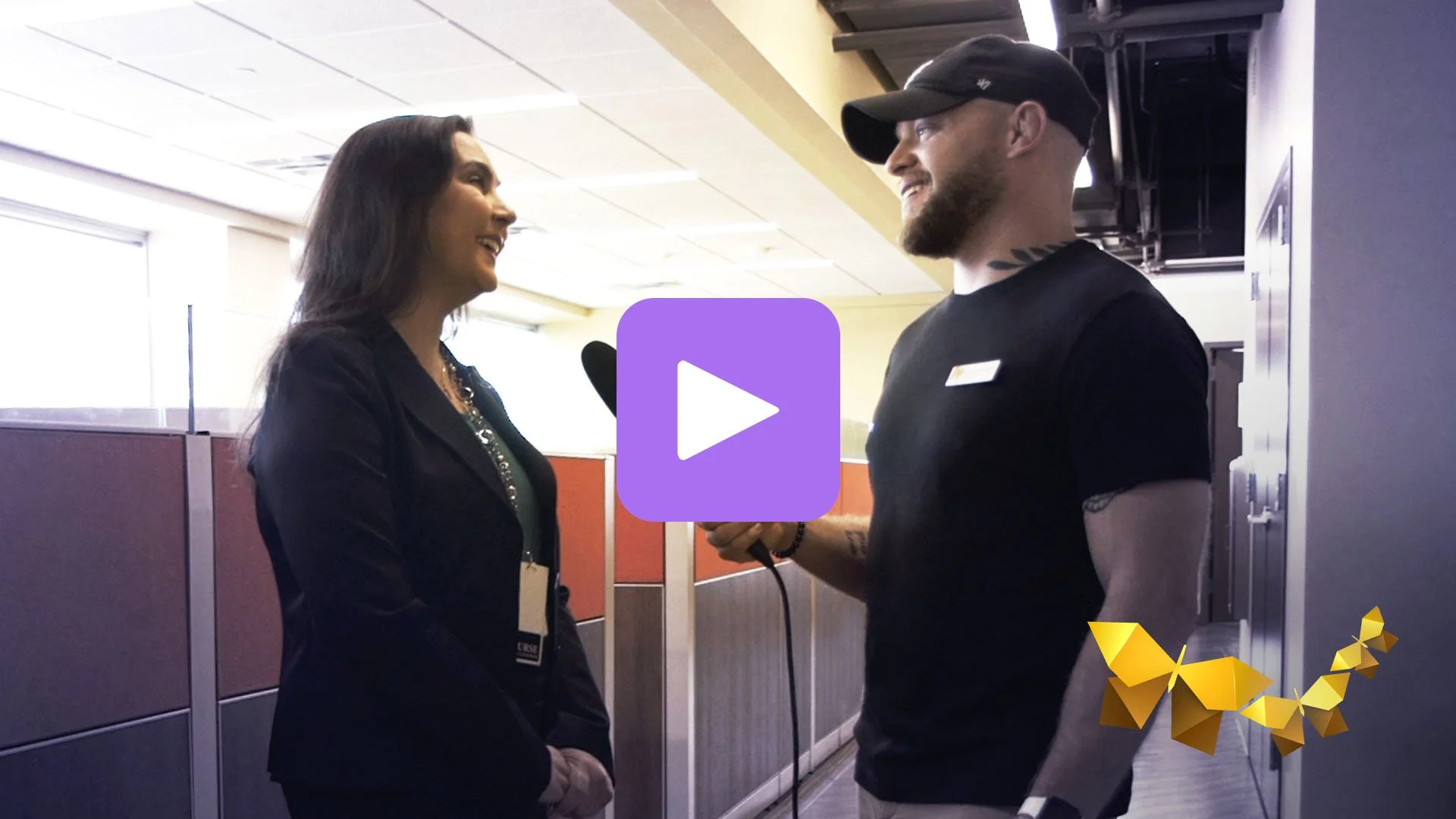
This man-on-the-street interview series brings real voices to the center of the conversation — from community partners to frontline staff — highlighting how evolving challenges affect mental health access. By systemizing a lightweight, repeatable reporting format, we’re able to rapidly capture insight and turn it into digestible content. The result is a flexible channel that keeps FCS responsive and connected to the people doing the work.
-
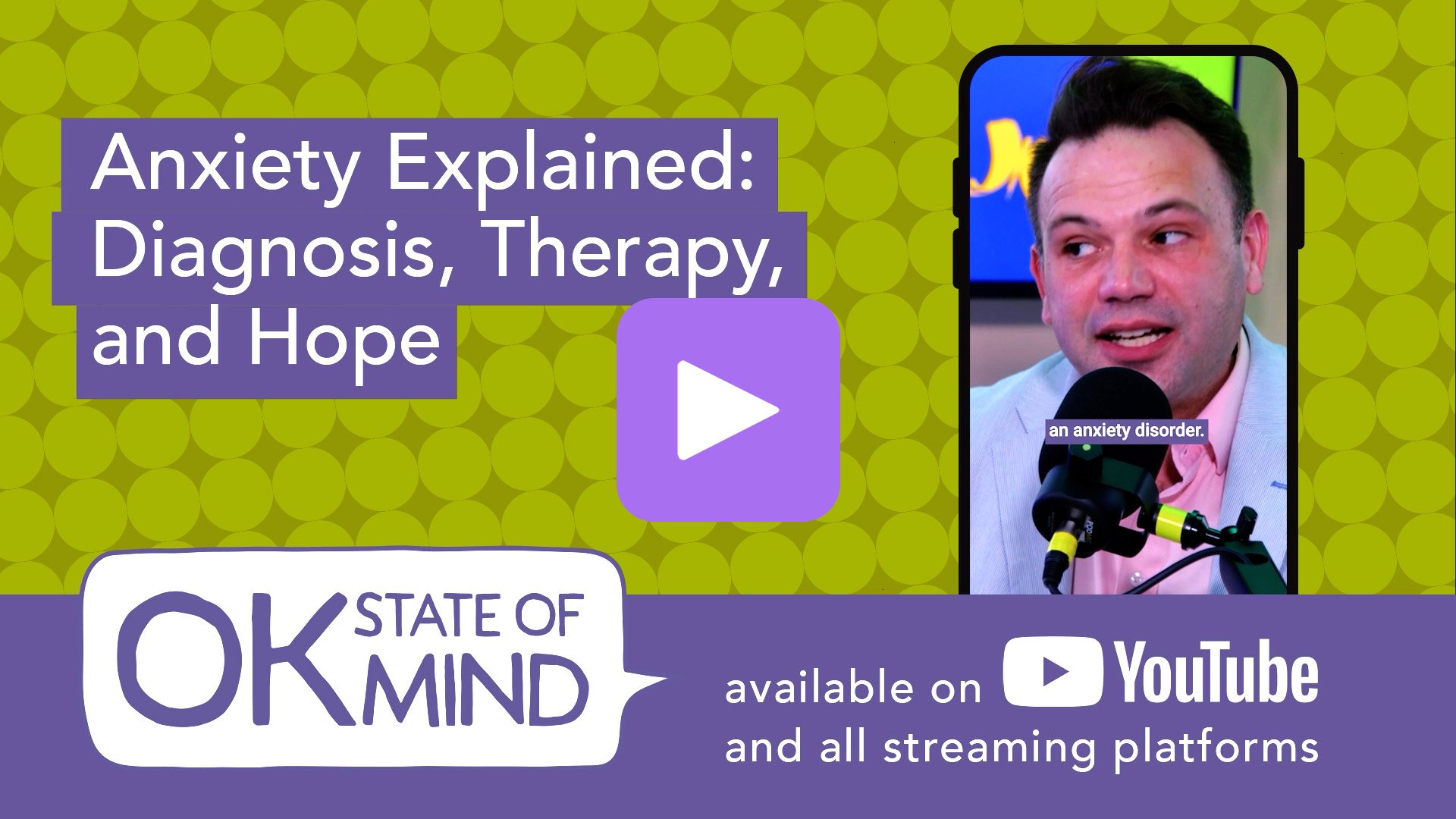
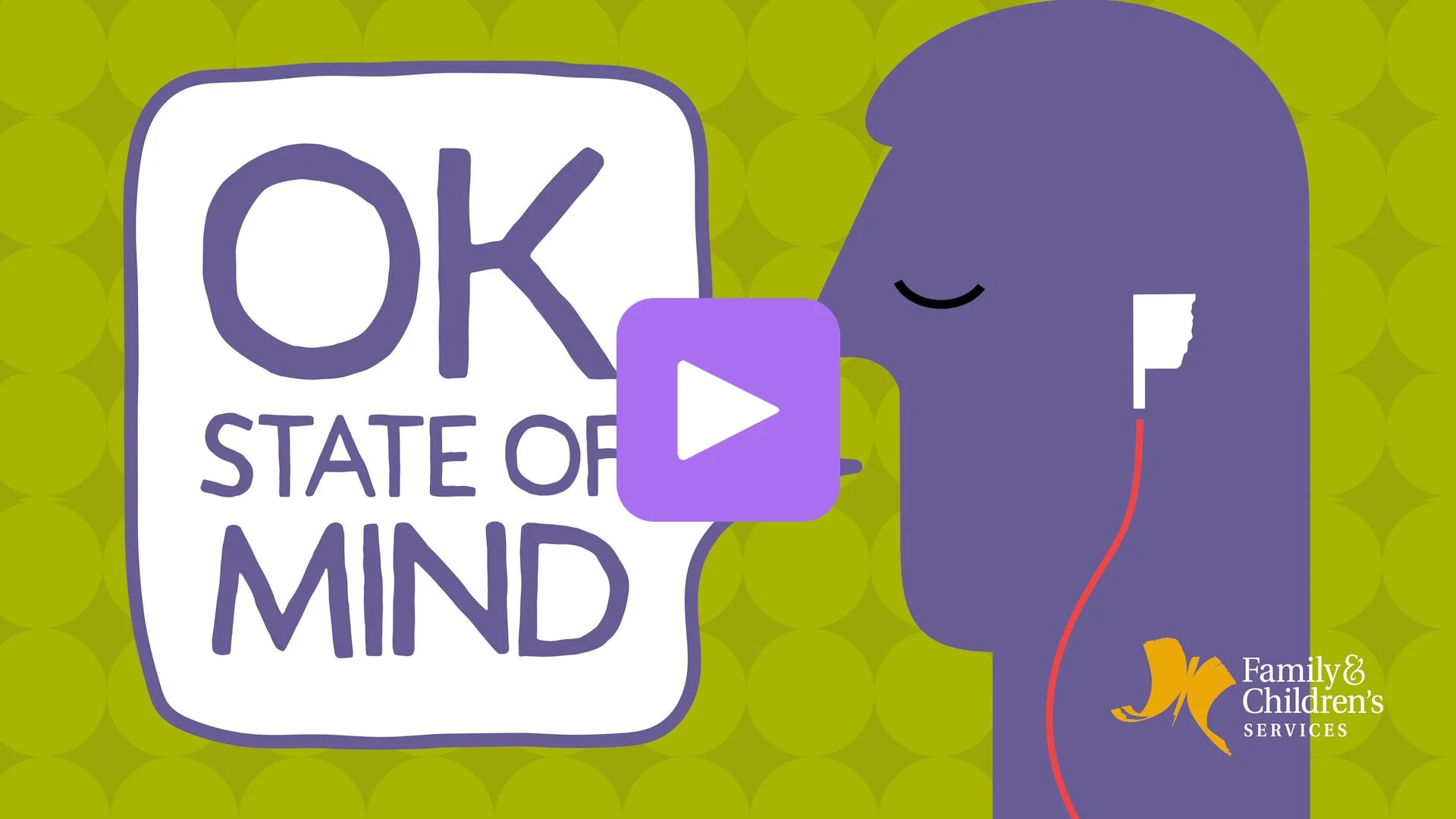
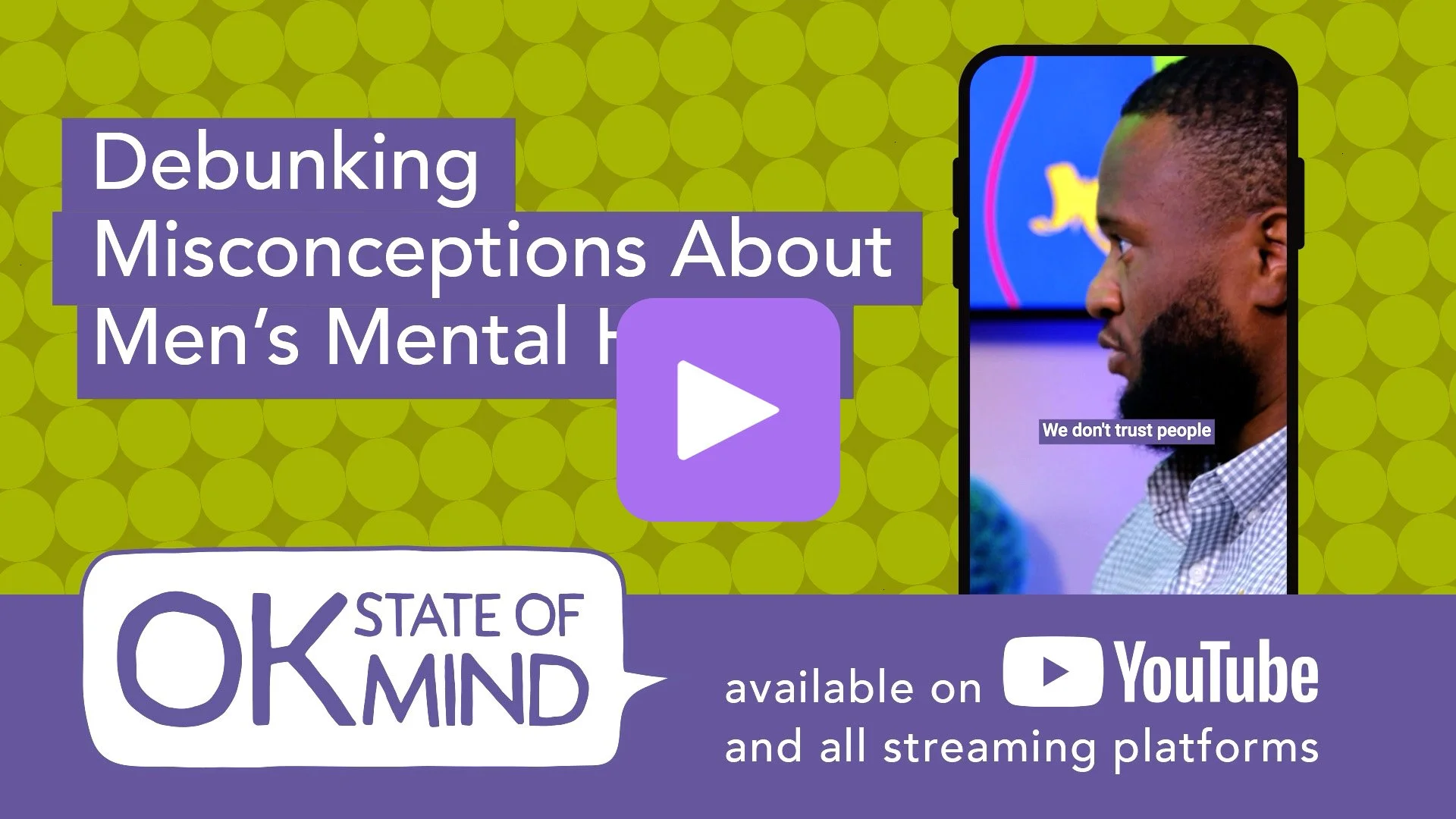
OK State of Mind brings clinical expertise, personal story, and cultural context into one conversation — helping Oklahomans explore the “why” behind our behaviors. Each episode is built for longevity, generating dozens of social assets that keep the conversation moving long after recording. With a full studio build-out and video production system behind it, the series has become a dependable pathway to humanize care and strengthen agency voice statewide.
-
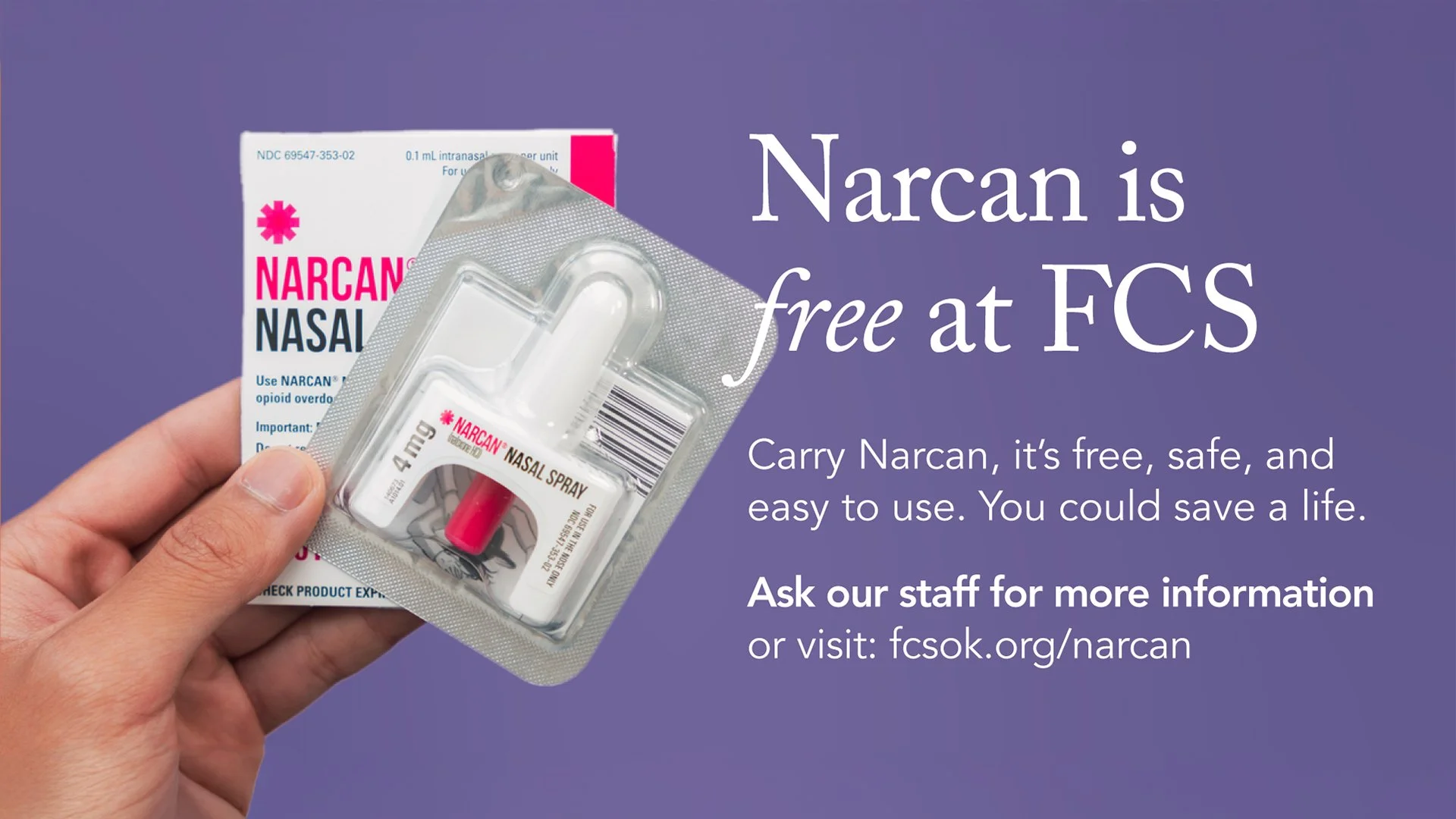
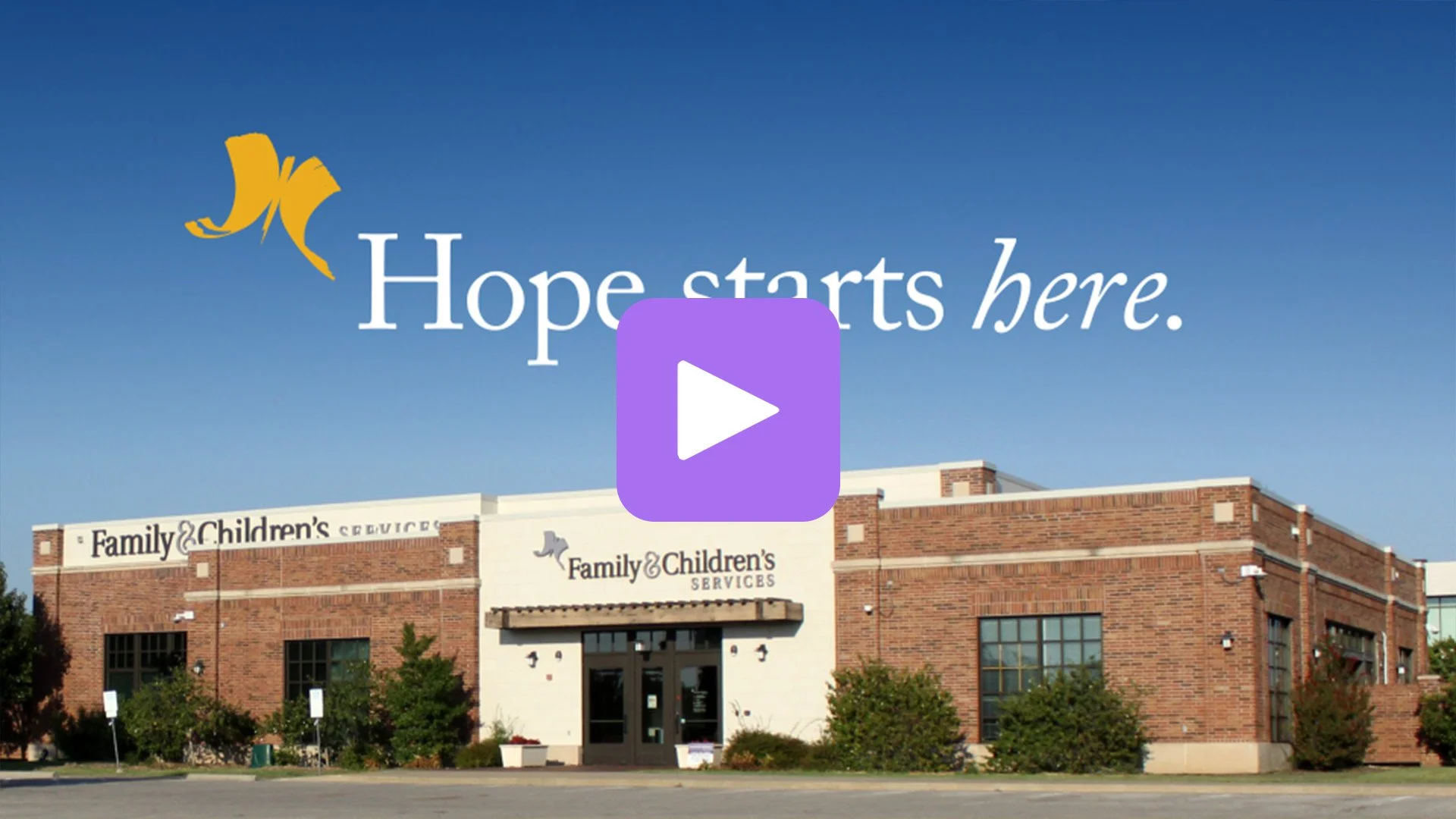
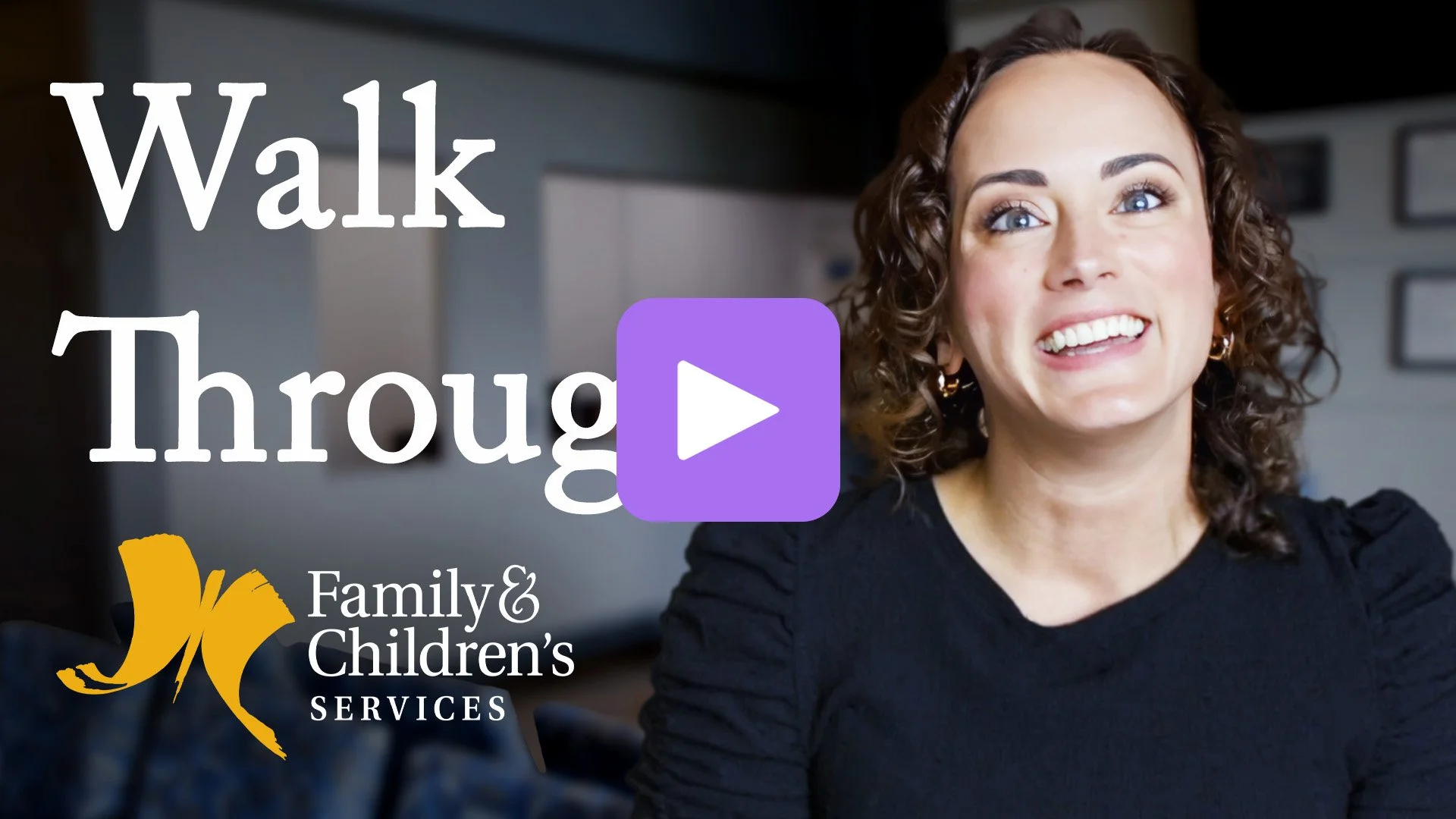
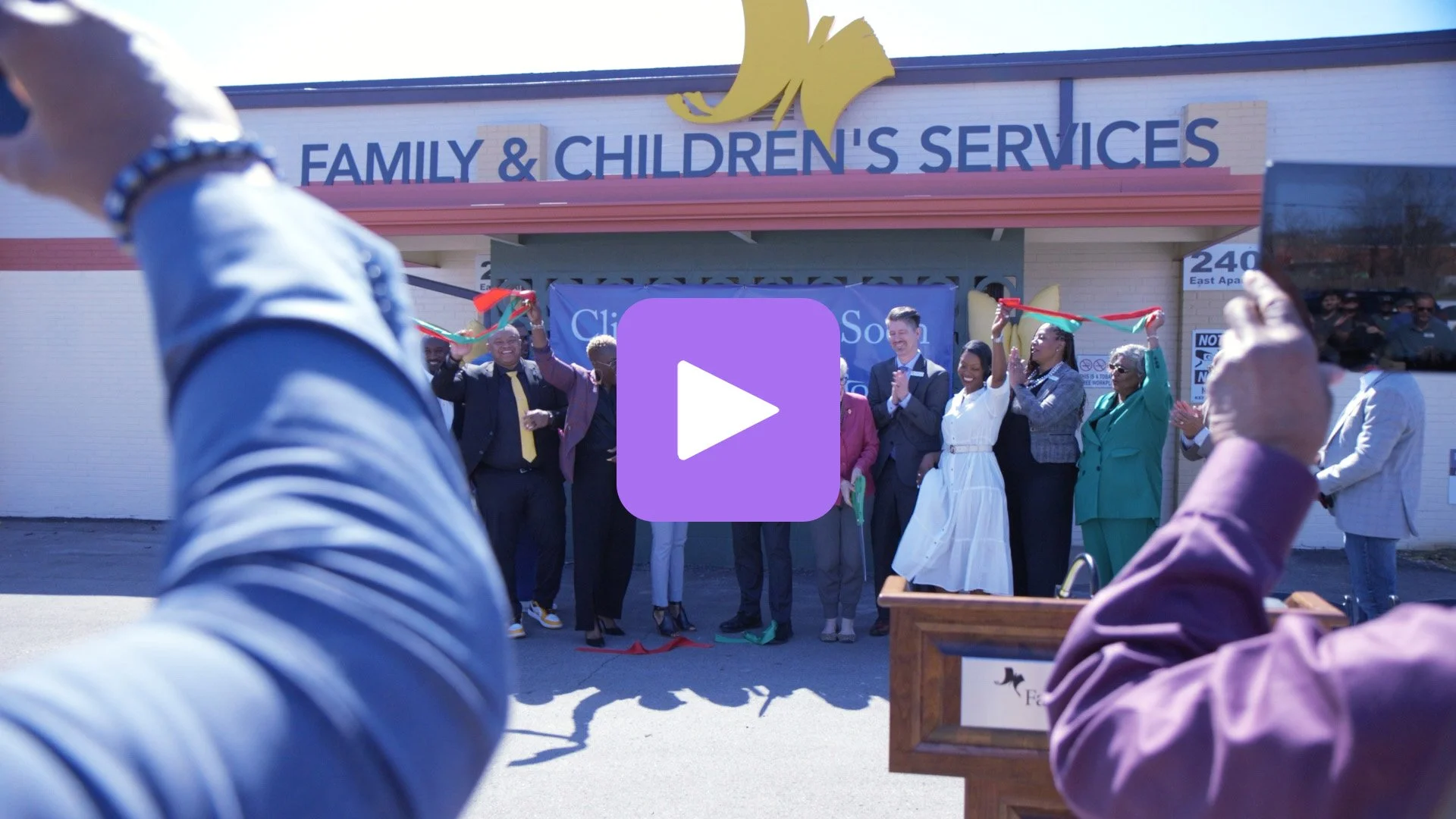
For the first time in agency history, we began capturing our campuses through location-based commercial spots. Each production tells the story of a building’s purpose and the people who define it, helping clients understand what to expect before they arrive. These quality features have given FCS reusable, highlight assets that support intake, walkthrough specific services, and increase access to care.
Multimedia Designs
-
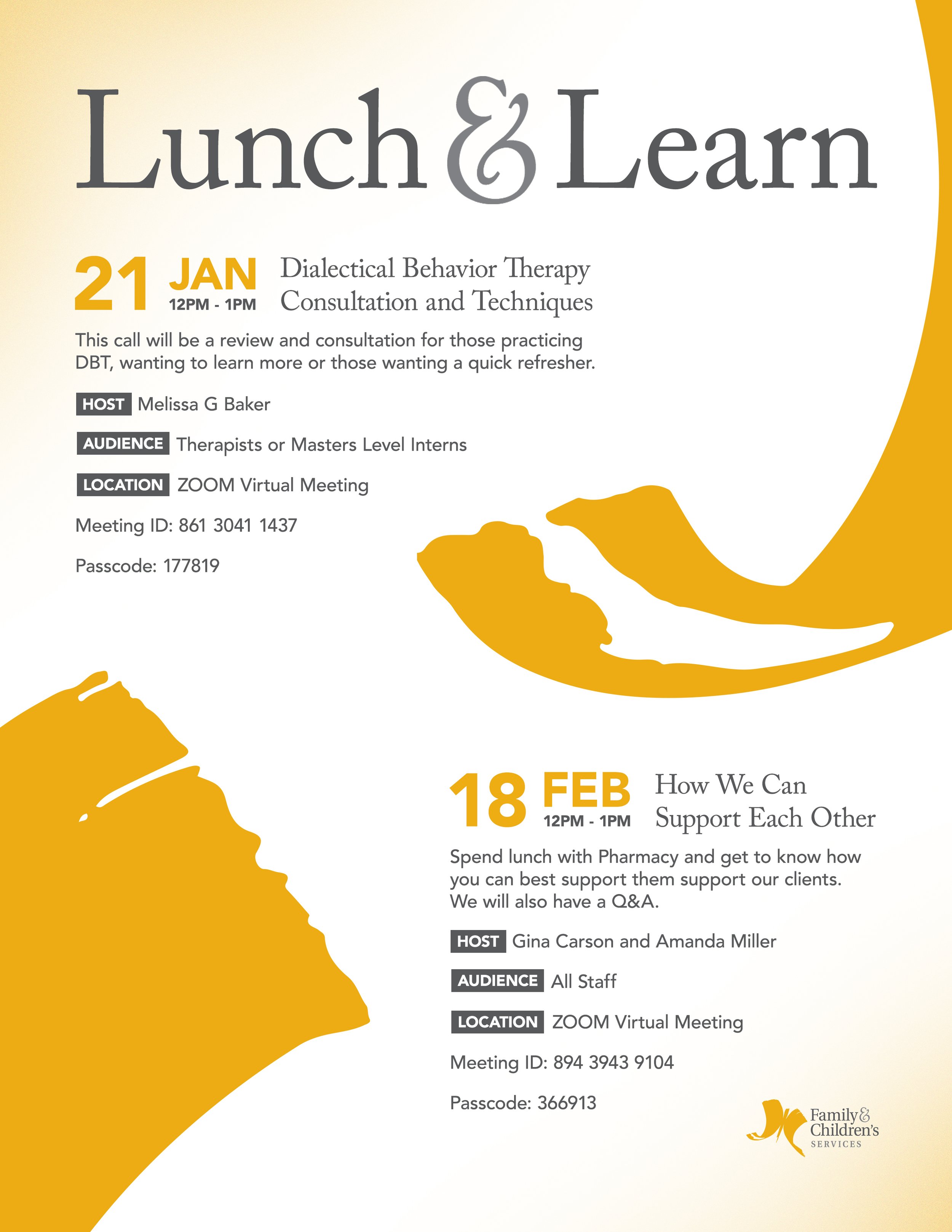
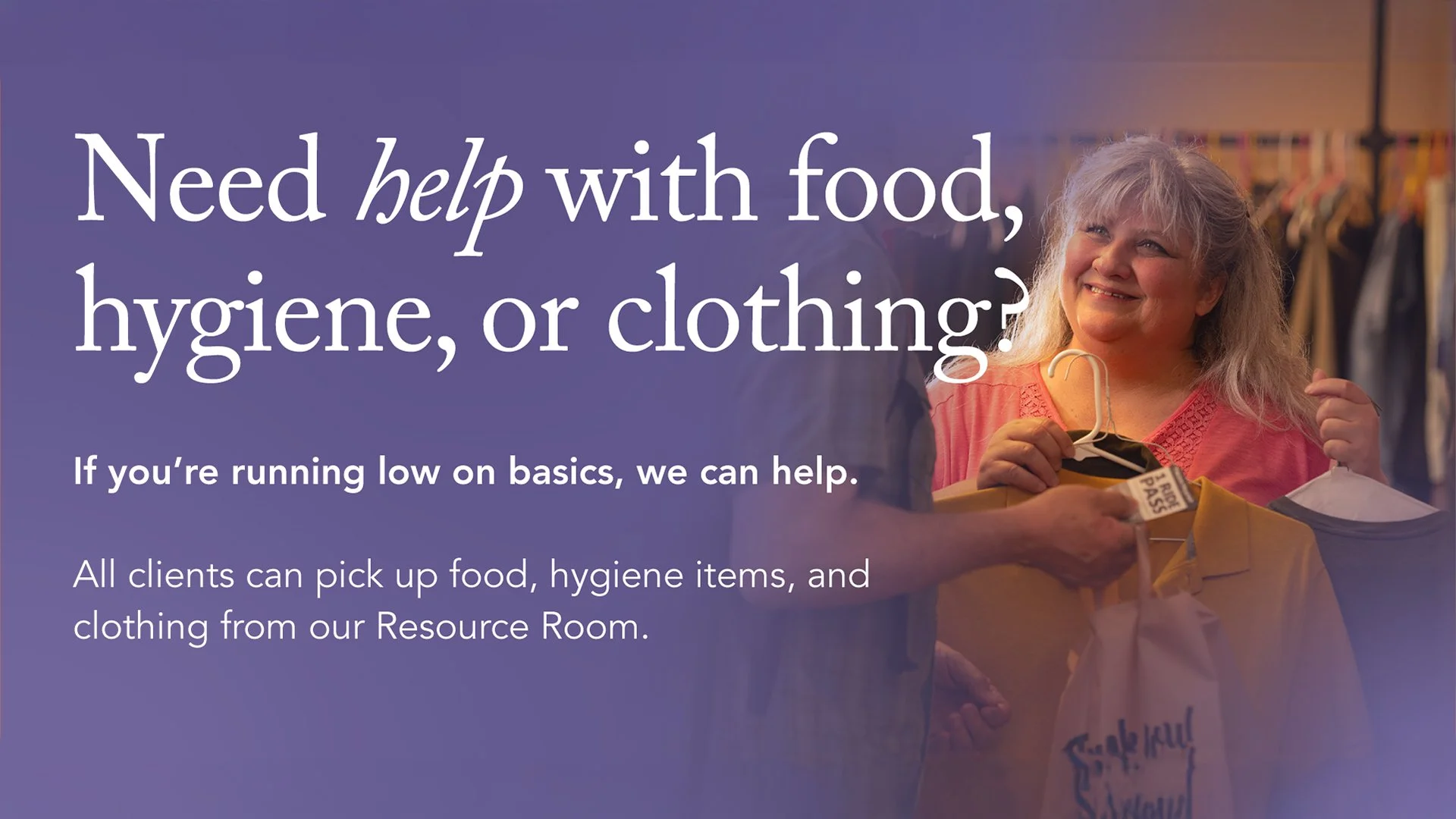
Our training event flyers created a consistent, professional look for both internal and public learning opportunities. Designed for print and digital distribution, they helped clinicians track CEU offerings and made community classes — like parenting workshops — easier to find and attend. By standardizing layouts and workflows, we built a scalable system that lets new training campaigns launch quickly with reliable brand clarity.
-
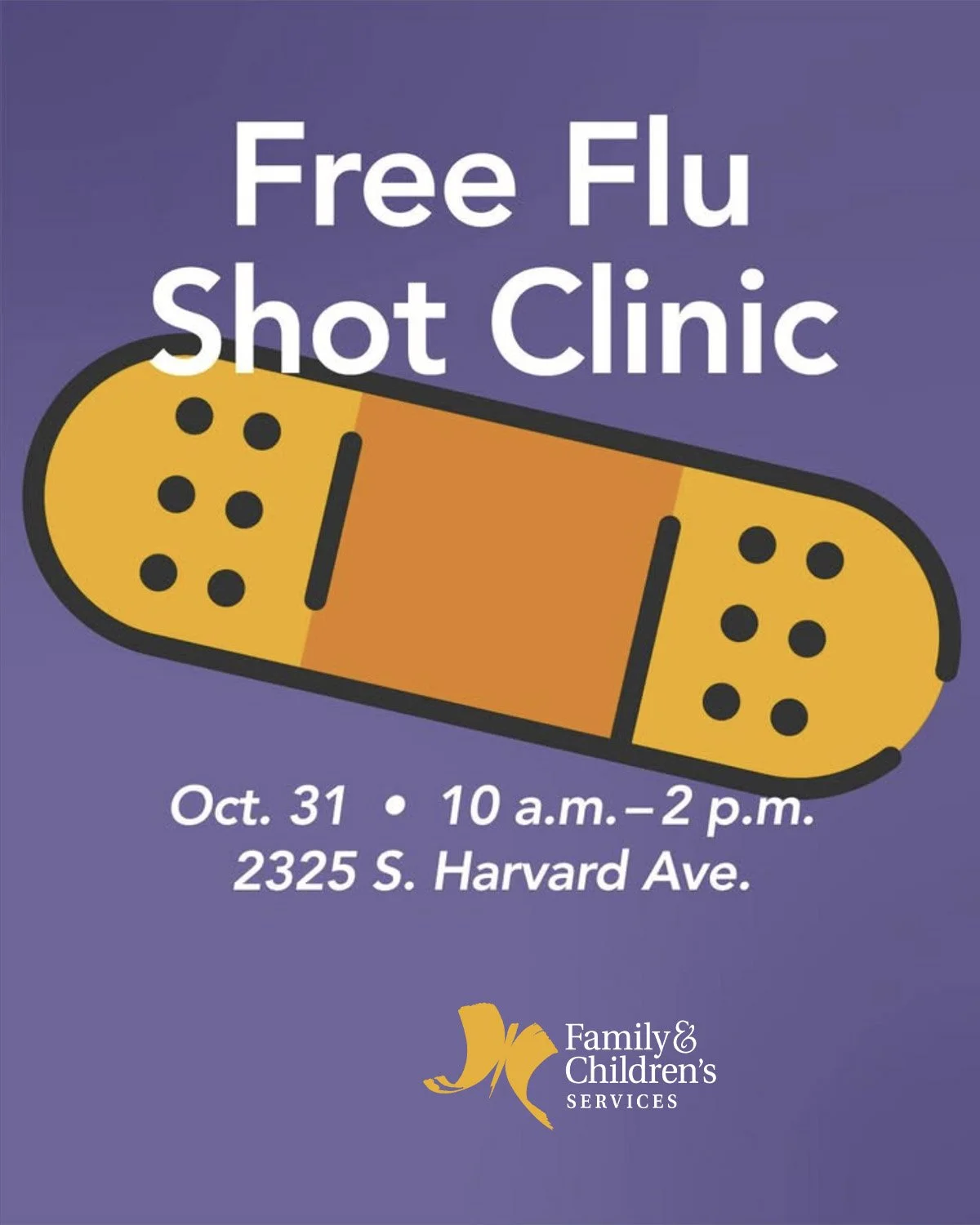
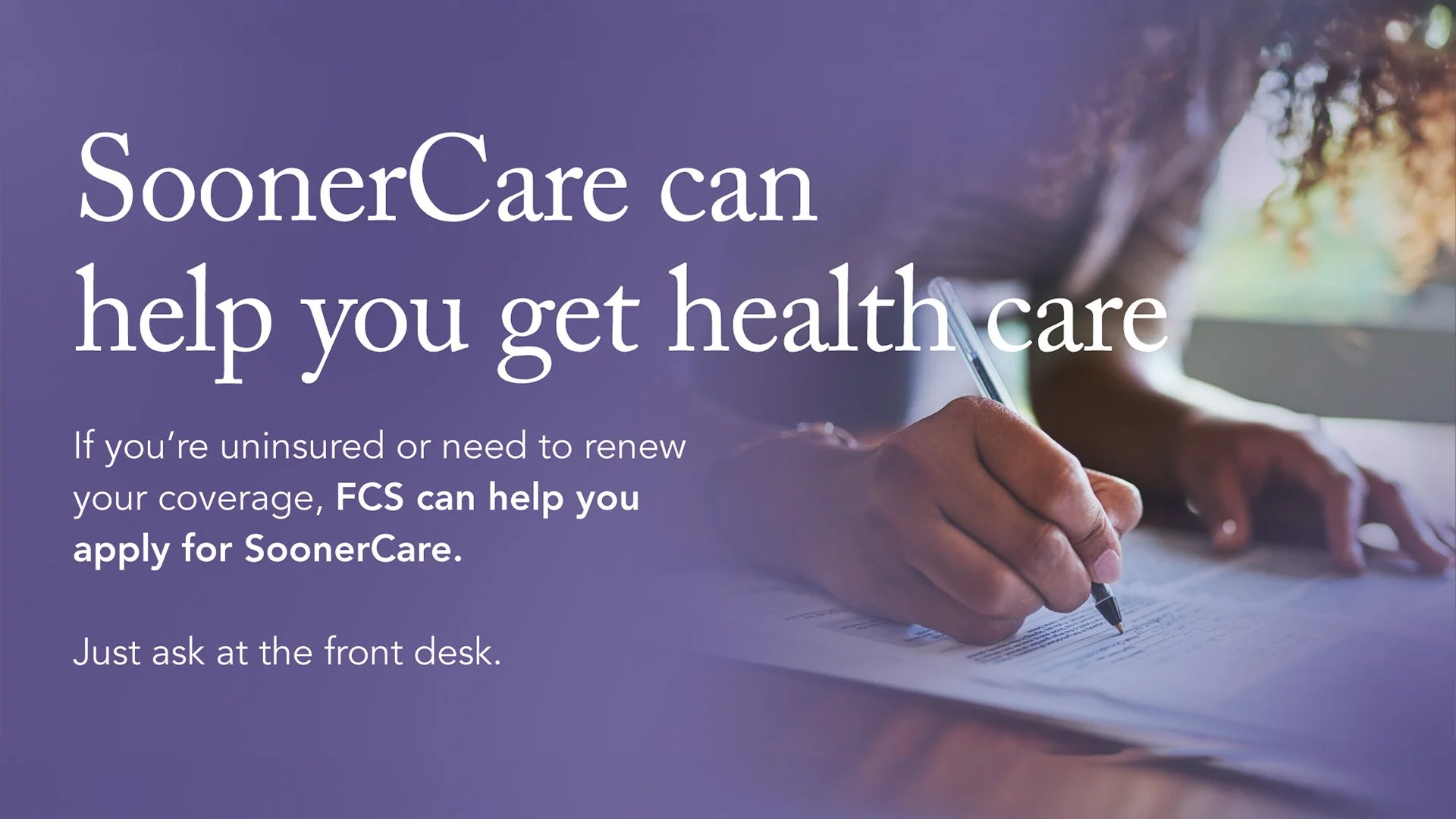
Our social notification graphics introduced a clean visual system that made quick updates instantly recognizable across platforms. Hand-drawn illustrations exclusive to FCS, helped important announcements — from closures to new resources — stand out. The template-driven structure created a repeatable workflow that keeps messaging clear, fast, and consistently on brand.

-
These illustration-driven carousel posts help FCS translate big mental health concepts into digestible, supportive guidance. Using an expanded set of custom drawings, our team built multi-panel stories on topics like fatherhood, child resilience, and suicide awareness. The system creates an evergreen bank of educational content families can return to anytime.
Experiential Marketing
-
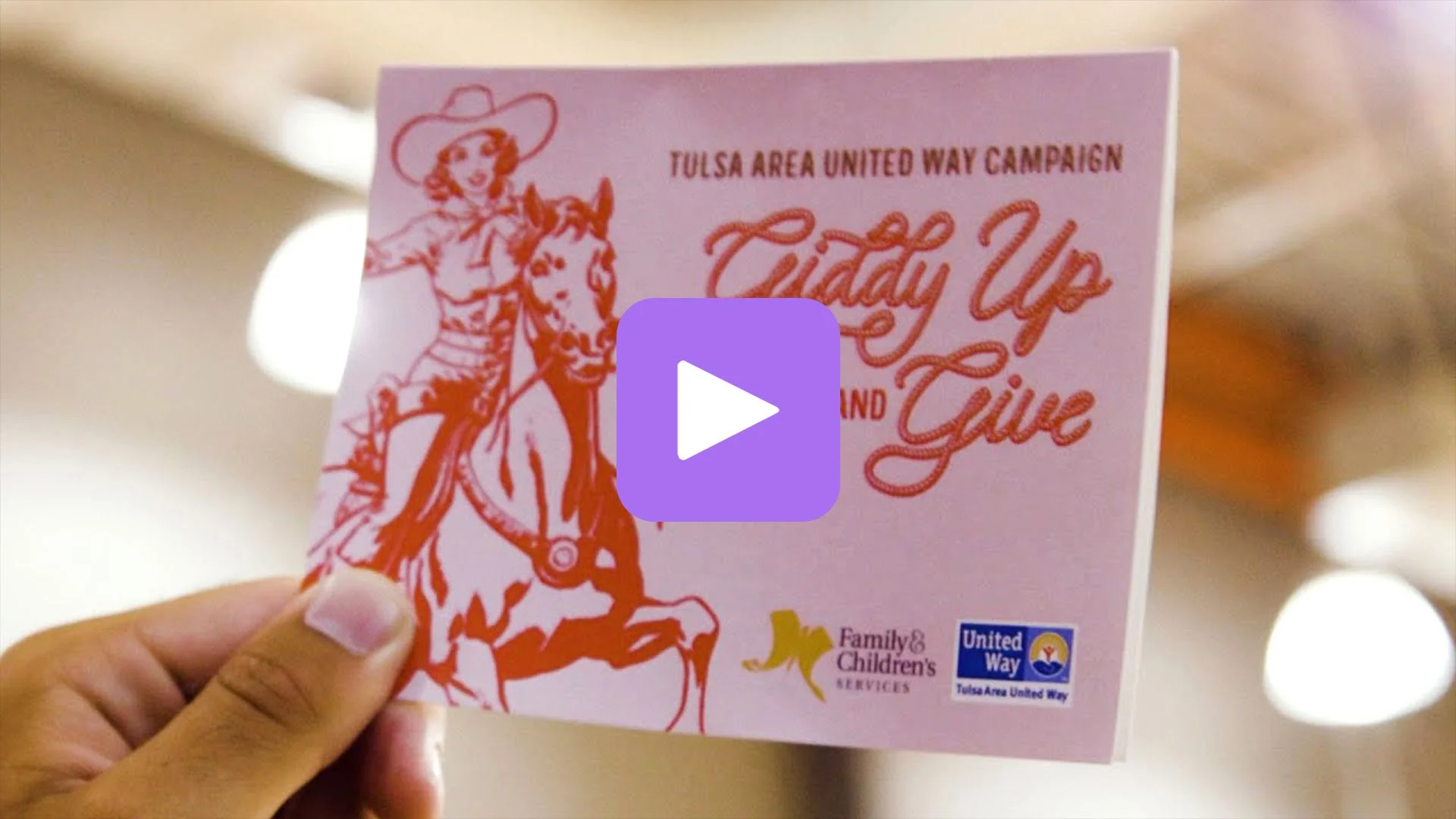
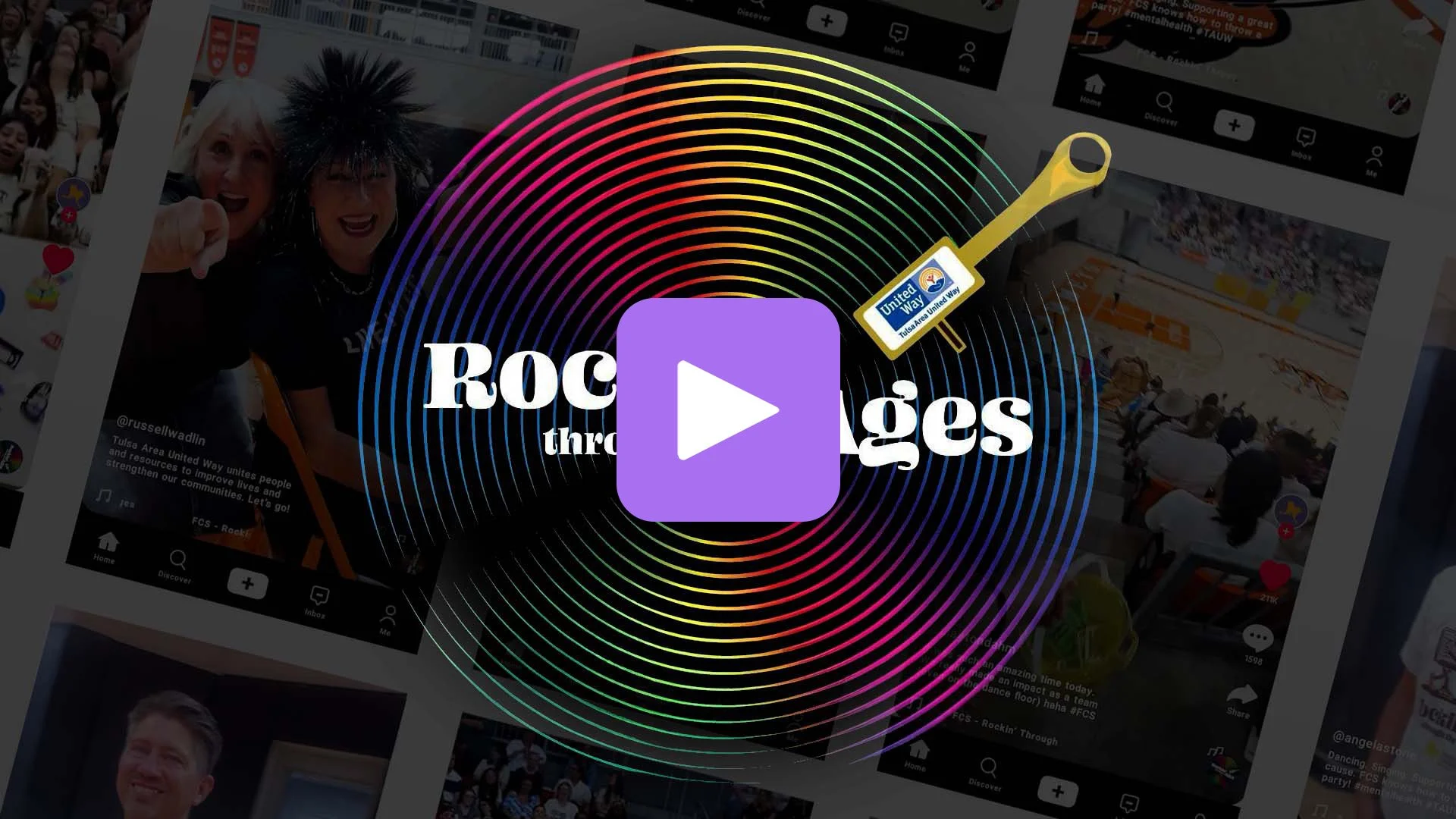
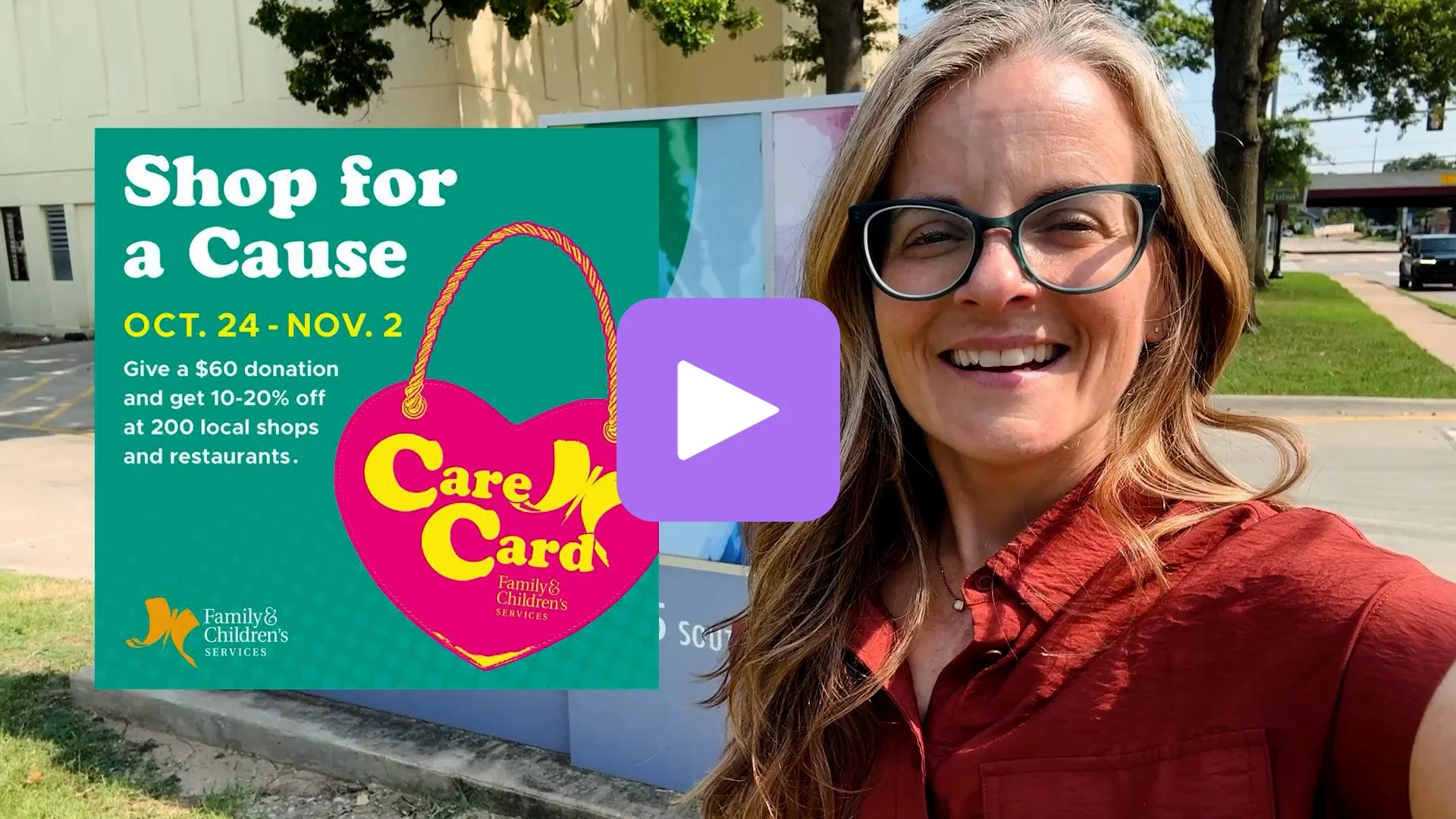
Each year, FCS joins Tulsa Area United Way’s community-wide campaign to raise funds for dozens of partner agencies across the region. I supported the effort through thematic promotional design and award-winning storytelling recaps that connected staff to the mission behind the numbers. The result: stronger internal engagement and a shared sense of purpose around supporting the wider Tulsa community.
-
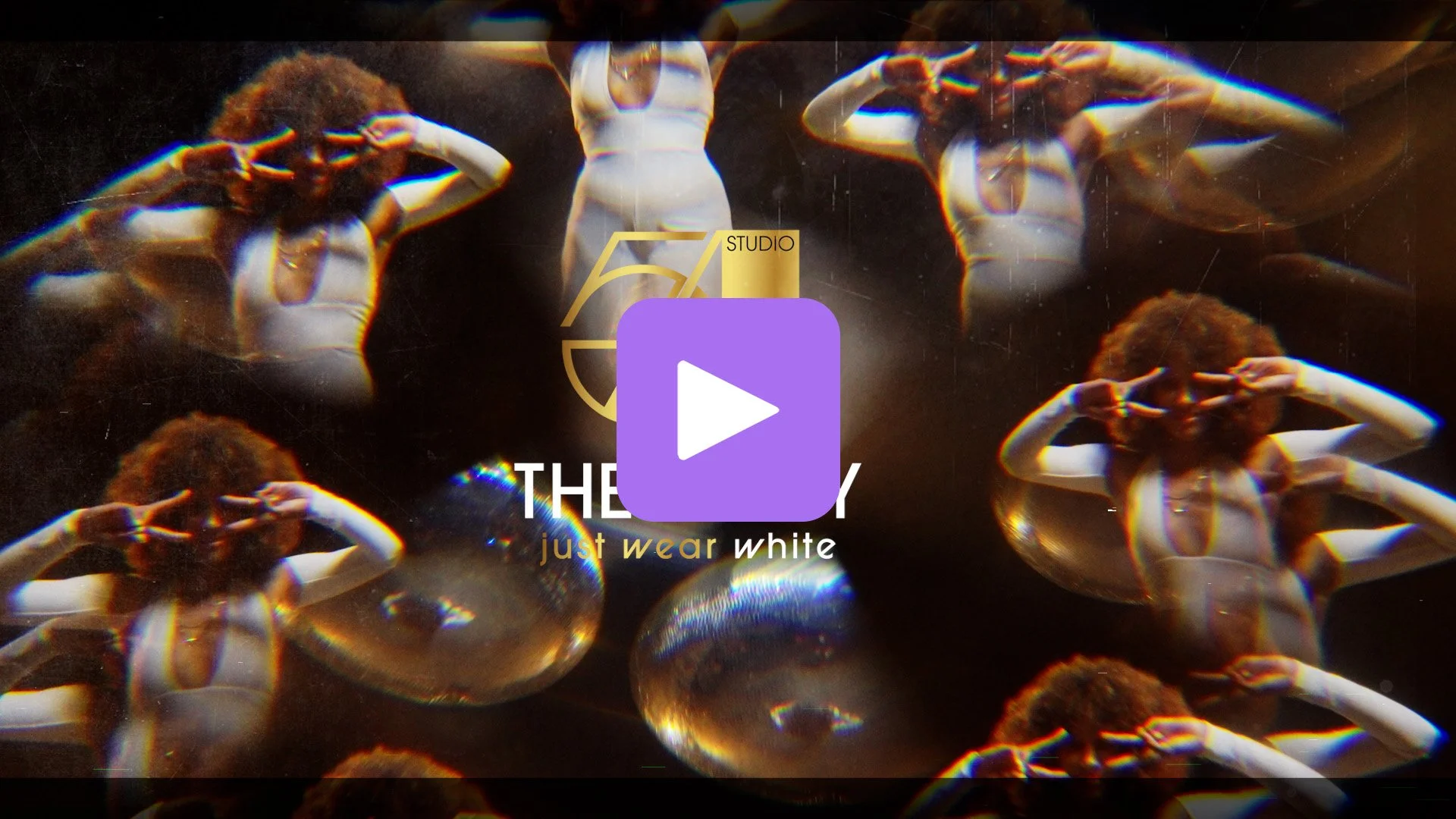
Imagine a good-cause gala that swapped the ballroom for DJs. The Party: Just Wear White invites supporters to show up, dance big, and invest in care that changes lives. I contributed through A/V production, event recap storytelling, and branded campaign materials, helping make sure the high-energy fun translated into high-impact support for thousands of Tulsans.
-
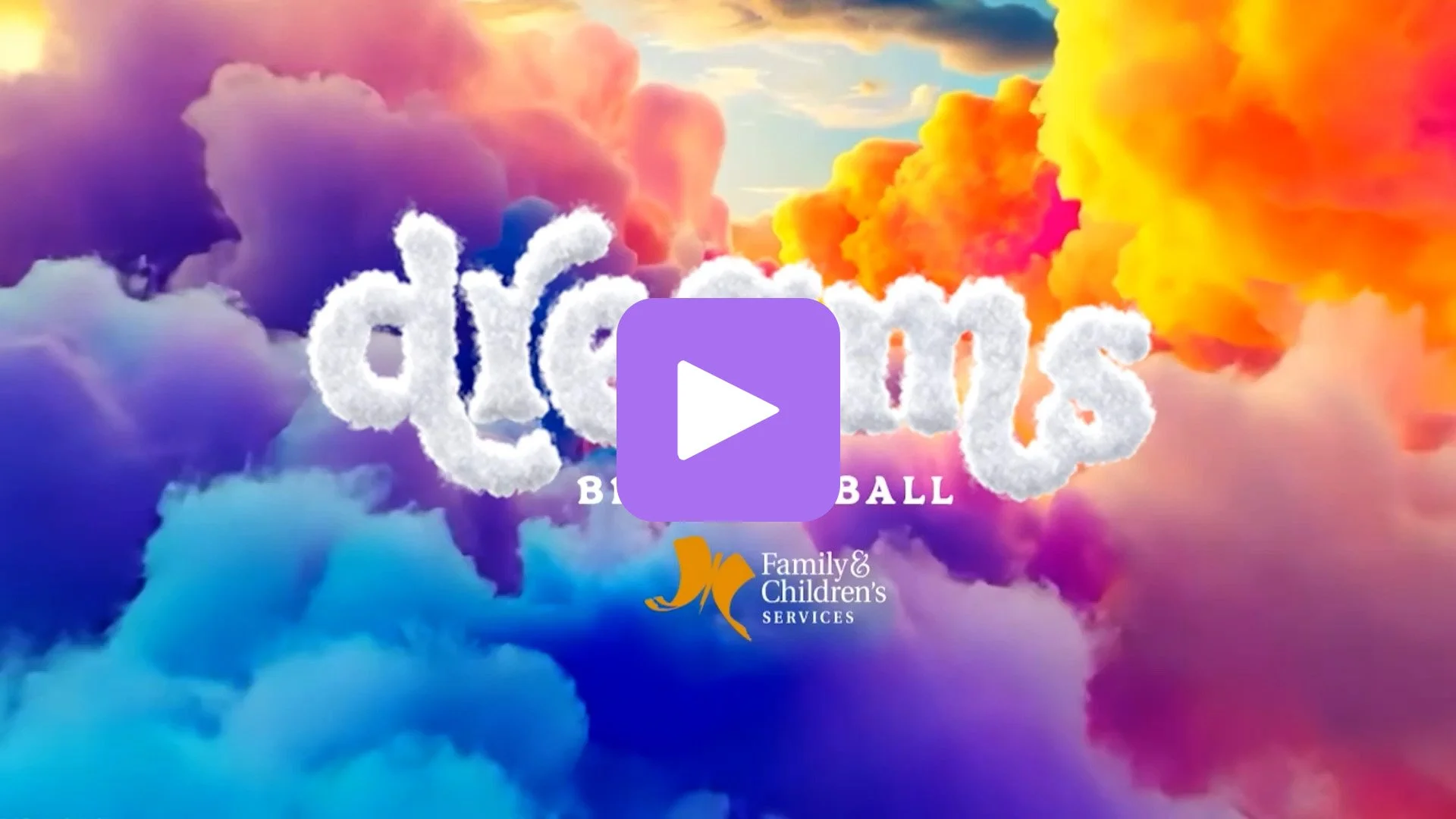
Brainiac Ball is where formal elegance meets purpose. This signature fundraising event brings supporters together for dinner, entertainment, and mission-driven storytelling — all to fuel access to mental health care and wraparound support for thousands of Tulsans. My role spans pre-messaging coordination with key stakeholders, branded campaign materials, live event A/V support, and video recap production, turning the night’s energy into long-lasting impact.
Partnerships & Outreach
-
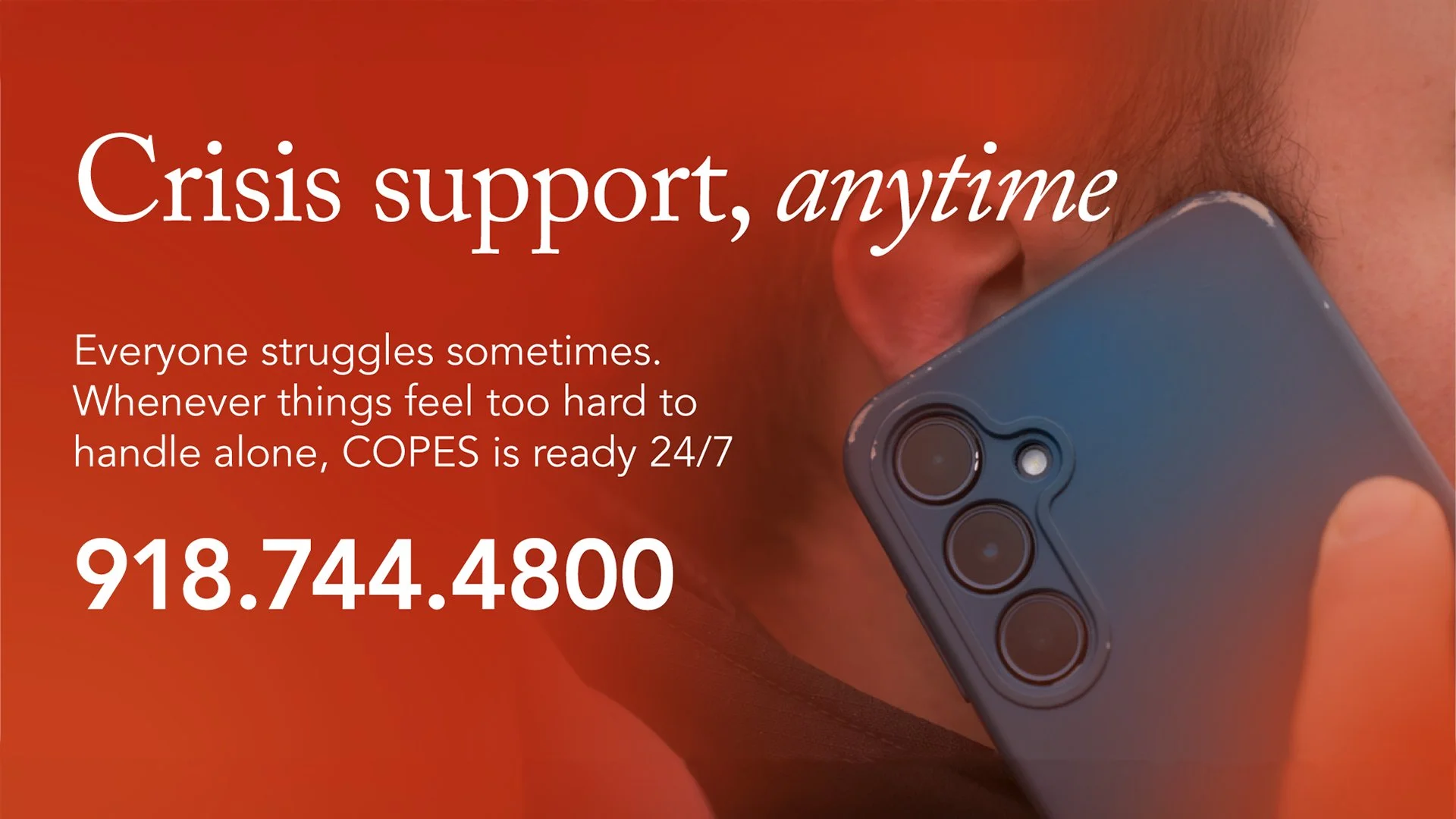
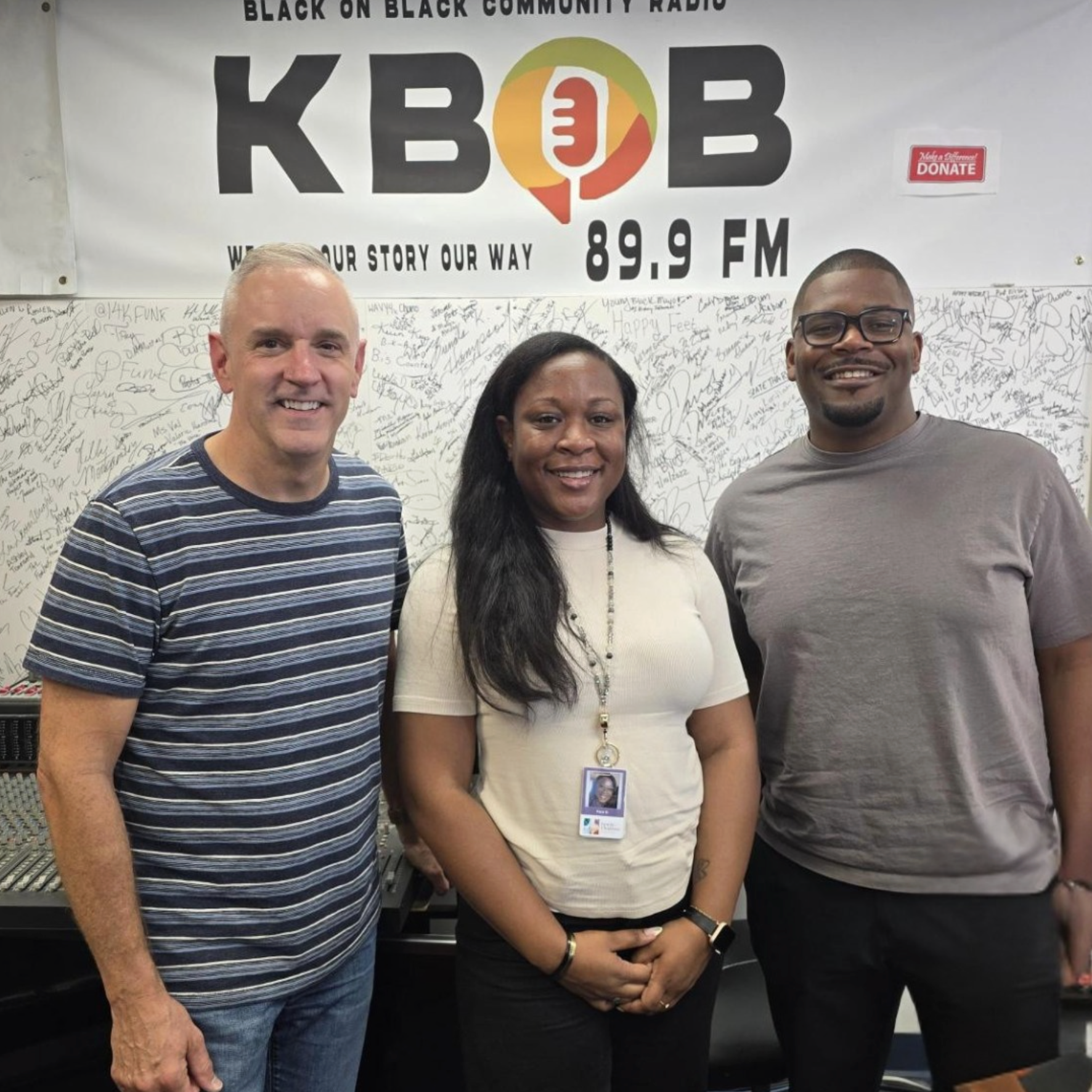
For many Tulsans, radio is still the most dependable bridge to local support. Our team partners with trusted local stations for on-air conversations and distributes 30-second audio commercials recorded in our studio to keep mental health resources top of mind. My role includes producing these recordings and enabling the promotional rollout so messages land clearly with the audiences who need them most.
-
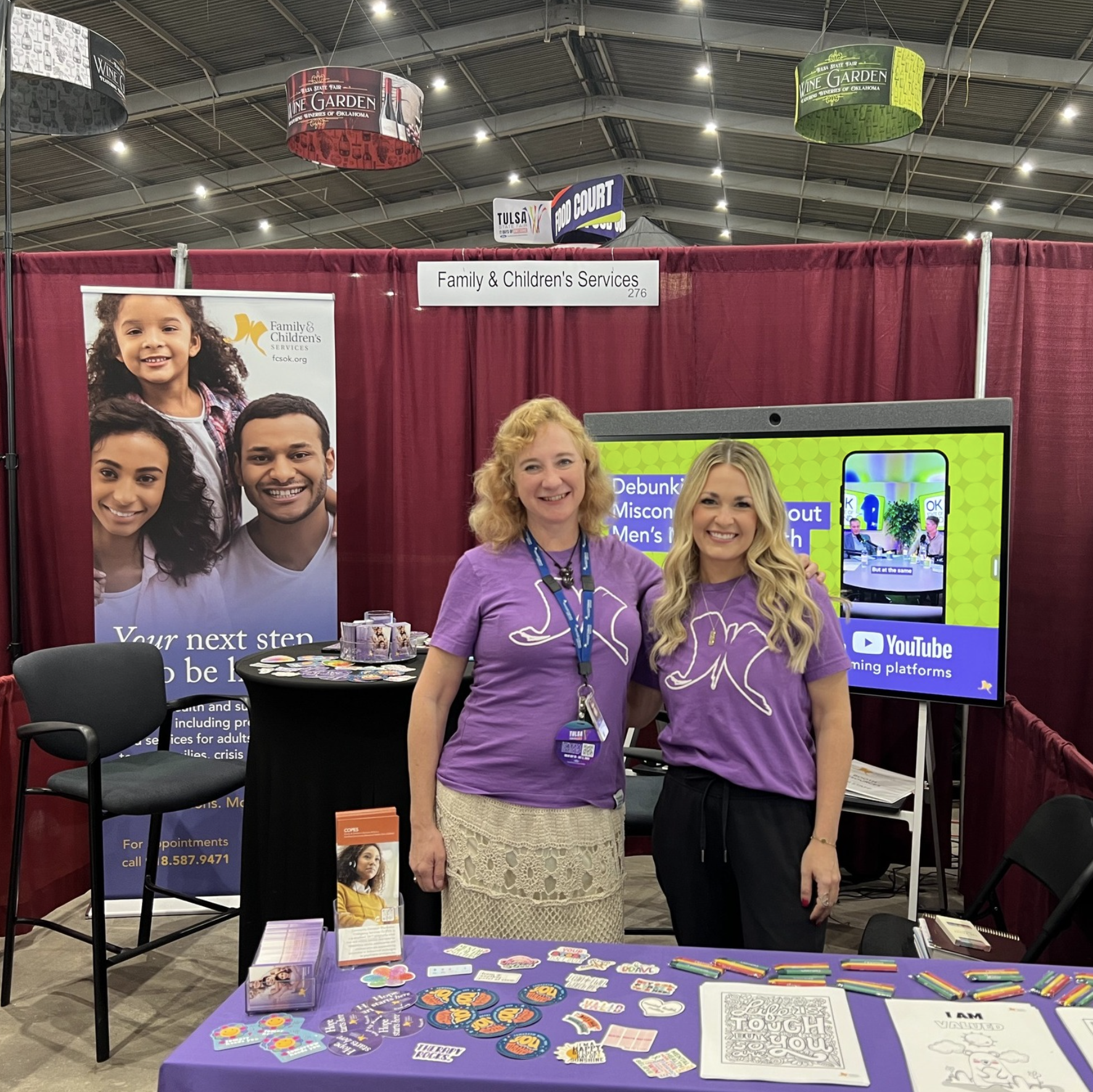
Some conversations only happen when you’re in the room. From the Tulsa State Fair to Juneteenth and school-based tabling, we show up with intentional booth design, clear printed brochures, digital displays, and a team ready to answer questions in person. I support both creative production and onsite engagement, helping make FCS feel accessible, familiar, and woven into everyday Tulsa life.
-
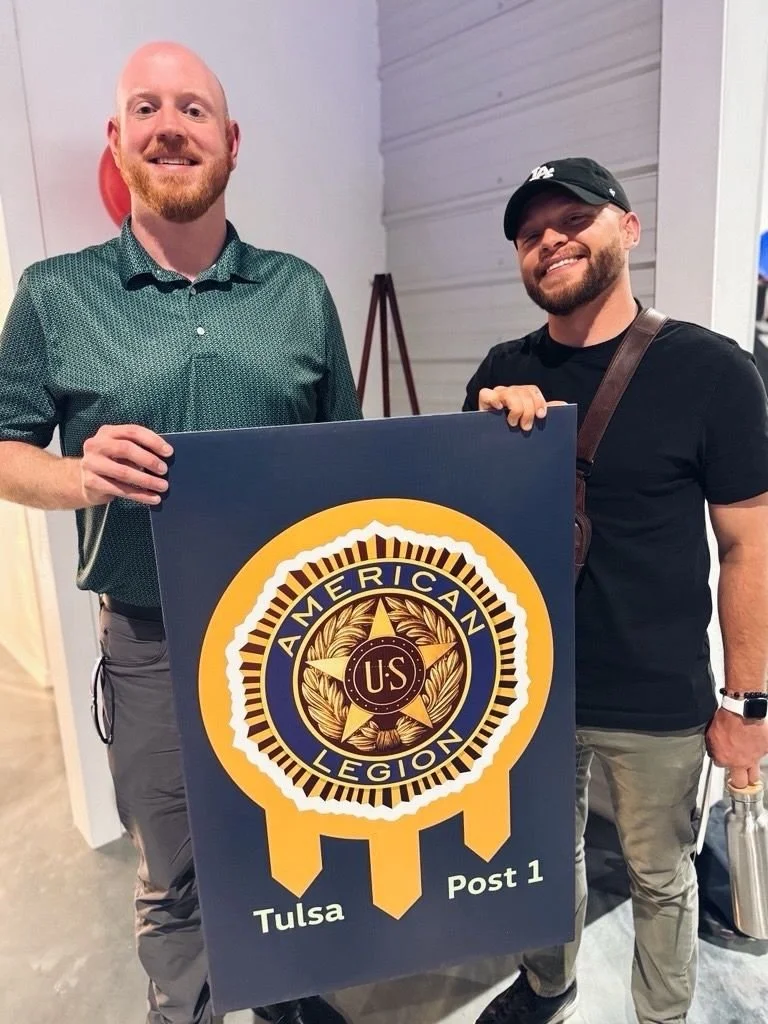
Some of our most meaningful work happens simply by showing up. At events like the Tulsa Veterans Day Parade, Pride, and American Legion celebrations, I represent FCS not with brochures or slides, but with conversation, presence, and connection. This grassroots outreach deepens community trust and reinforces that our care extends far beyond clinic walls.
Growth you can feel.
In my time with Family & Children’s Services, the impact has looked a lot like the work we support — steady, meaningful progress layered over time. We strengthened brand cohesion across programs, streamlined production systems, and built creative infrastructure that now supports communications at scale. Even small early wins snowballed, helping departments break down long-standing silos and adopt unified messaging under one organizational voice.
Internally, new systems boosted collaboration and clarity. Externally, higher-quality storytelling helped reinforce FCS as Oklahoma’s behavioral health leader — not just through reach, but through resonance. And while the journey is ongoing, the foundation is set: modern creative systems, clearer processes, and a shared brand identity that strengthens by the day.
-
Launched video-first content strategy that helped generate a 220% increase in online engagement and tripled YouTube subscribers within a year.
Created 30+ branded graphic templates (social, print, event, wallboard) to streamline communication.
Produced 3+ location commercials, 5+ major annual fundraising event campaigns, and 150+ video assets across short-form and long-form messaging in first operational year.
-
Strengthened agency storytelling around whole-person care through intentional workflow systems, defined brand guidelines, and reimagining channel best practices.
Built up inter-departmental connective tissue through increased program collaboration and by addressing historical silos.
Increased leadership trust in internal creative by demonstrating high-quality, scalable outputs.
Before joining the team, the agency’s impact was undeniable, but its communication channels struggled to keep pace. Programs promoted their work independently, content output was limited, and there was no dedicated system for consistent storytelling or campaign development.
After establishing new production systems, centralized storytelling pipelines, and clearer brand alignment, creative work now feels intentional and connected. Departments collaborate more fluidly and the content ecosystem finally reflects the strength of the care delivered across Oklahoma.

Personal Takeaway
There’s something rare about finding a role where your personal history, skillset, and community roots converge. Working at Family & Children’s Services has been that intersection for me — a place where the language of my own mental-health journey and the tools I’ve spent a decade mastering finally feel pointed in the same direction. I came in knowing how to design, direct, and tell stories. But what grounded me here was seeing, firsthand, that those skills could translate into real-world support for the community I call home. In Tulsa, every era of my life feels present — the kid who loved art, the young adult who needed therapy, the creative who wanted his work to matter. All of it folds together here. And the more I create inside this space, the more certain I feel that my work isn’t just adjacent to the mission — it’s an active part of it.
The journey that brought me to FCS wouldn’t be complete without acknowledging one person: Dee Harris. She was my high-school teacher turned Chief Marketing Communications Officer at FCS. More importantly, Dee was the first person who told me creativity could be a career. She helped put a camera in my hands before I could drive, encouraged me to follow my instincts, and modeled what it looked like to build a life around imagination. A decade later, after our personal and professional lives took us in many directions, I sent her a message. No guarantees — just a request to reconnect. That message led to opportunity. She hired me into the role I’ve always hoped existed — one where I could help shape how my city understands hope and healing. Dee eventually moved on to an equally noble role outside of FCS, but the torch she handed me is still burning. I don’t take that lightly.
This work hasn’t changed who I am. It’s clarified it.
Every project — every story told, every message systemized, every resource made visible — feels like a step deeper into the version of myself I’ve been building all along.
“Watching Clayton return to FCS as a creative leader has been a full-circle joy. He exceeded every expectation I had for him.”
Dee Harris • Chief Marketing Communications Officer at FCS
The postings on this site are my own and do not necessarily reflect the views of any company or clients.